Zeno Power Advances Americium-241 Space Battery for NASA Artemis Missions
Zeno Power’s Harmonia cleared final design review and delivered 3.5 times the planned power, pushing an americium-241 lunar battery toward fabrication.
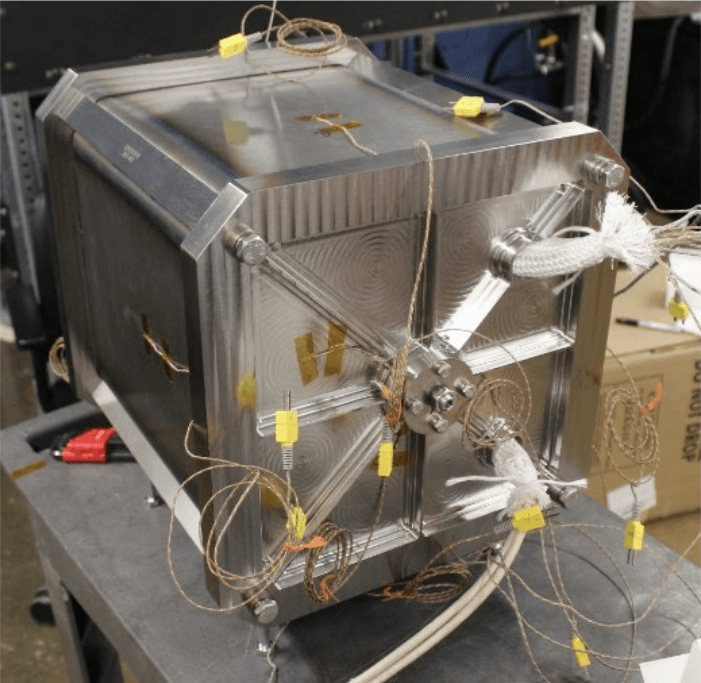
Zeno Power has cleared the point that matters most for a hardware program: Harmonia finished its final design review and moved from concept to fabrication, turning an americium-241 space battery into something NASA could plausibly buy and fly. The April 21 milestone matters because it shifts the project from paper and prototypes into the build phase, with a terrestrial demonstration now targeted for early 2027 and flight qualification beginning in 2028.
NASA backed the effort in 2023 with a $15 million Tipping Point award for a Stirling engine-enabled radioisotope power system for lunar surface missions. NASA TechPort describes Harmonia as a Stirling-convertor-enabled radioisotope power system that uses americium-241 as a long-lived heat source, with the heat source design aimed at Technology Readiness Level 5 and the electrically heated Stirling generator advancing to TRL 6 by the end of the project. Zeno said the April 2026 update showed Harmonia delivering 3.5 times the originally specified power output, a number that should get the attention of anyone trying to turn a promising RPS concept into flight hardware.
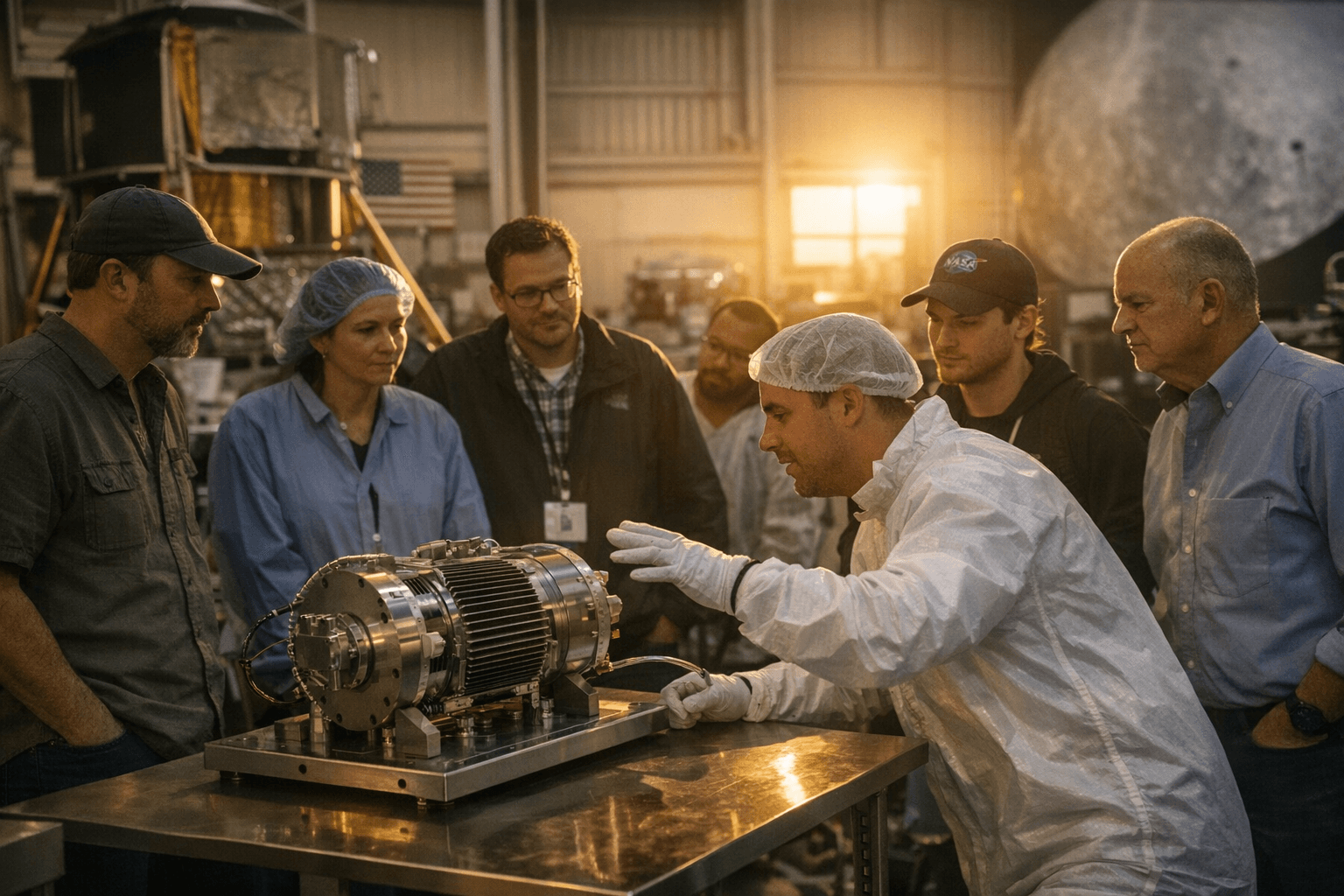
The practical case is simple. Lunar missions near the south pole, especially in permanently shadowed regions of the Moon, can go through two-week nights and brutal cold that make solar power unreliable or impossible. NASA and Zeno have said Harmonia could extend mission durations from about two weeks to several years, opening up long-duration operations in places that have been hard to reach with conventional batteries and panels alone.
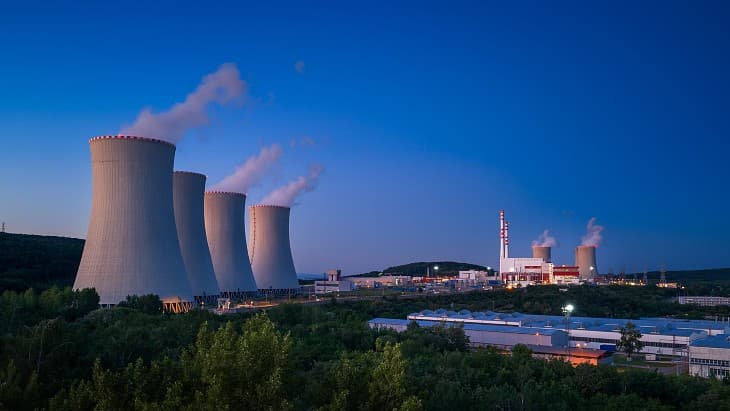
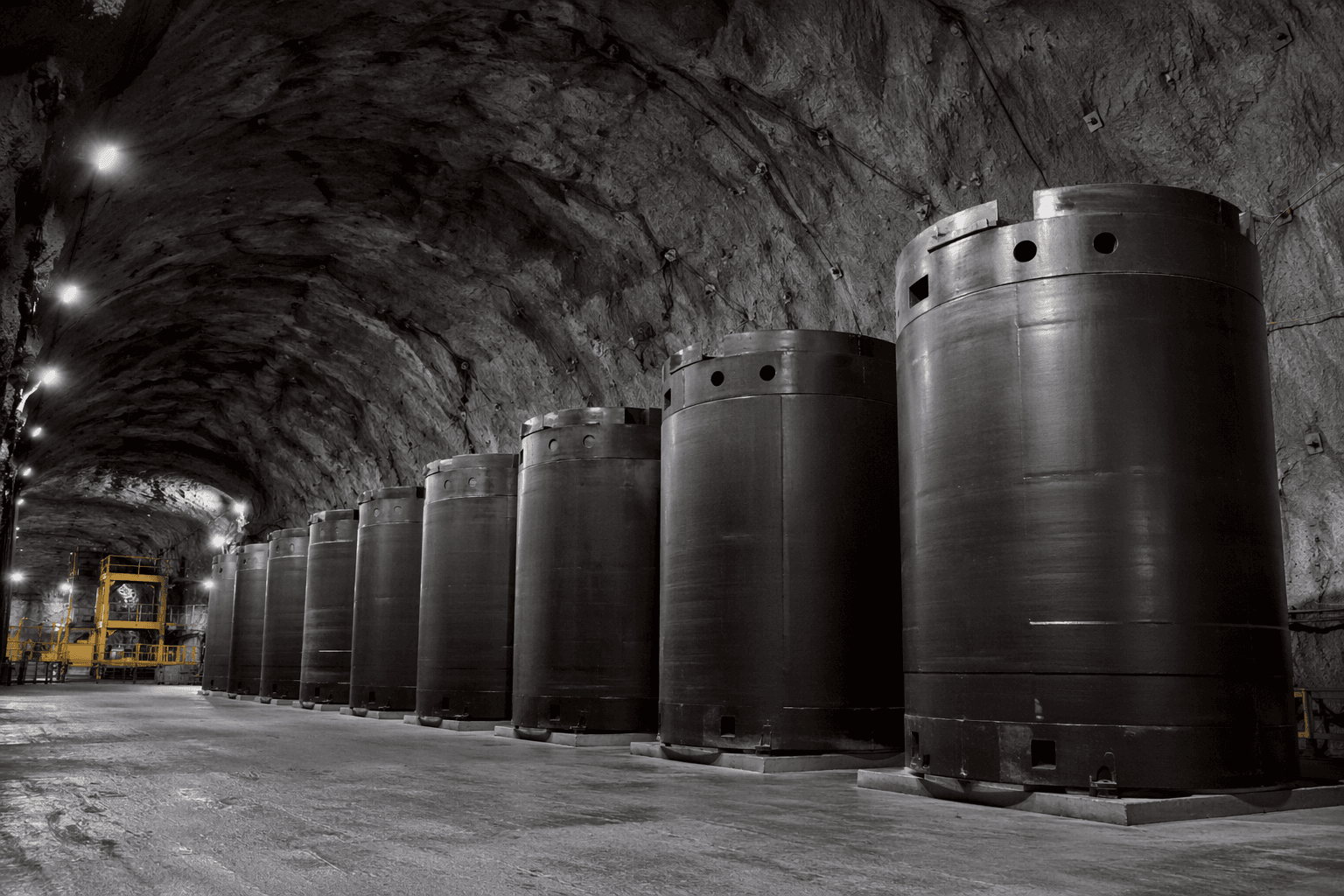
Harmonia also sits in the middle of a bigger fuel conversation. NASA has historically relied on plutonium-238 for radioisotope power systems, but in 2025 the agency said it was testing americium-241 as an additional option for future long-duration missions. The appeal is durability and supply. Americium-241 has a half-life of 432.2 years, far longer than plutonium-238’s 88 years, and Zeno moved to secure that advantage further by signing a strategic agreement with Orano in September 2025 for priority access to americium-241 from used nuclear fuel recycling operations.
The Harmonia team brings together Blue Origin, Intuitive Machines, NASA Glenn Research Center, NASA Marshall Space Flight Center, Sunpower Inc. and the University of Dayton Research Institute. Intuitive Machines was assigned about $2.4 million of the NASA award to help develop an interoperable americium-241 radioisotope Stirling generator. For Zeno, the real test now is whether the final design review becomes a flight article, because that is the difference between an interesting power concept and a space battery that can actually support Artemis-era surface missions.
This article was produced by Prism’s automated news system from verified source data, official records, and press releases, then run through automated quality and moderation checks before publishing. The system is built and supervised by the people who set the standards it runs under. Read our full AI policy.
Did this article answer your question?