66-year-old rescue macaw thrives with patient care and affirmations
Kokomo is 66 and still lighting up the room, a rescue macaw whose cheering shows what decades of patient care can do.
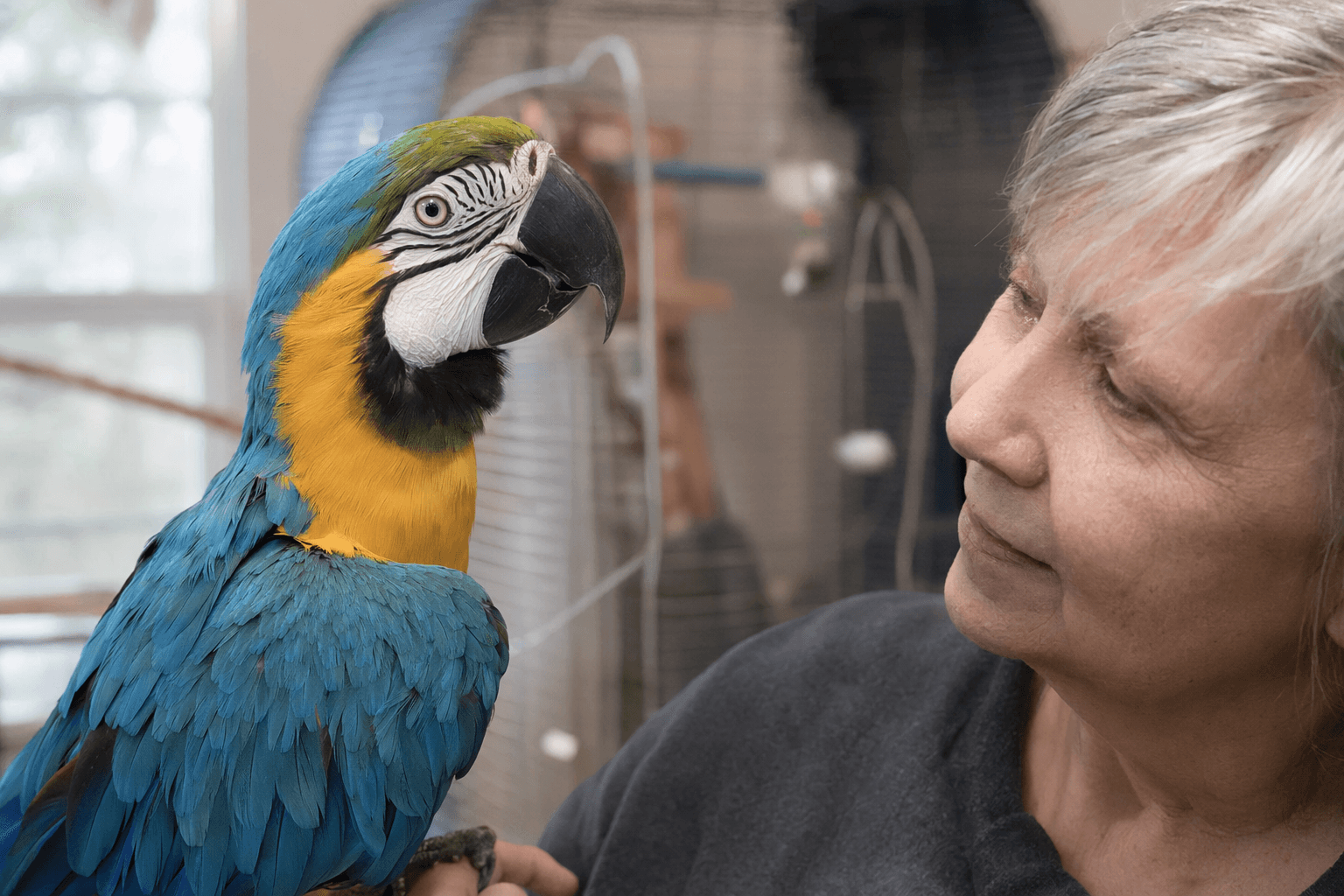
Kokomo is 66 years old, and her most striking habit is also the simplest: give her a little affirmation, and she joins the party. That exuberant cheer has turned the rescue macaw into a reminder that senior parrots can still be lively, engaged birds when they land in a stable home with people who understand how to earn their trust.
Her path to that bright moment was anything but easy. Kokomo had been rescued from a place with no running water or electricity, and before that she belonged to an owner who developed Alzheimer’s disease and could no longer remember her. For a bird that can live for decades, that kind of rupture is exactly why backup care matters so much. A macaw does not fit neatly into a short human timeline. It can outlast jobs, moves, marriages, and even the people who first brought it home.
The lifespan numbers explain why. In the wild, macaws often live 30 to 50 years. In homes, they may reach 50 to 60 years or more, and some reported cases stretch to 80 to 140 years, though that kind of longevity is extremely rare. A peer-reviewed study in Animal Conservation, based on 83,212 life-history records from captive parrots, found that parrots and cockatoos are among the most long-lived and endangered bird groups, and that larger species generally live longer than smaller ones. For macaw owners, that means planning in decades, not years.
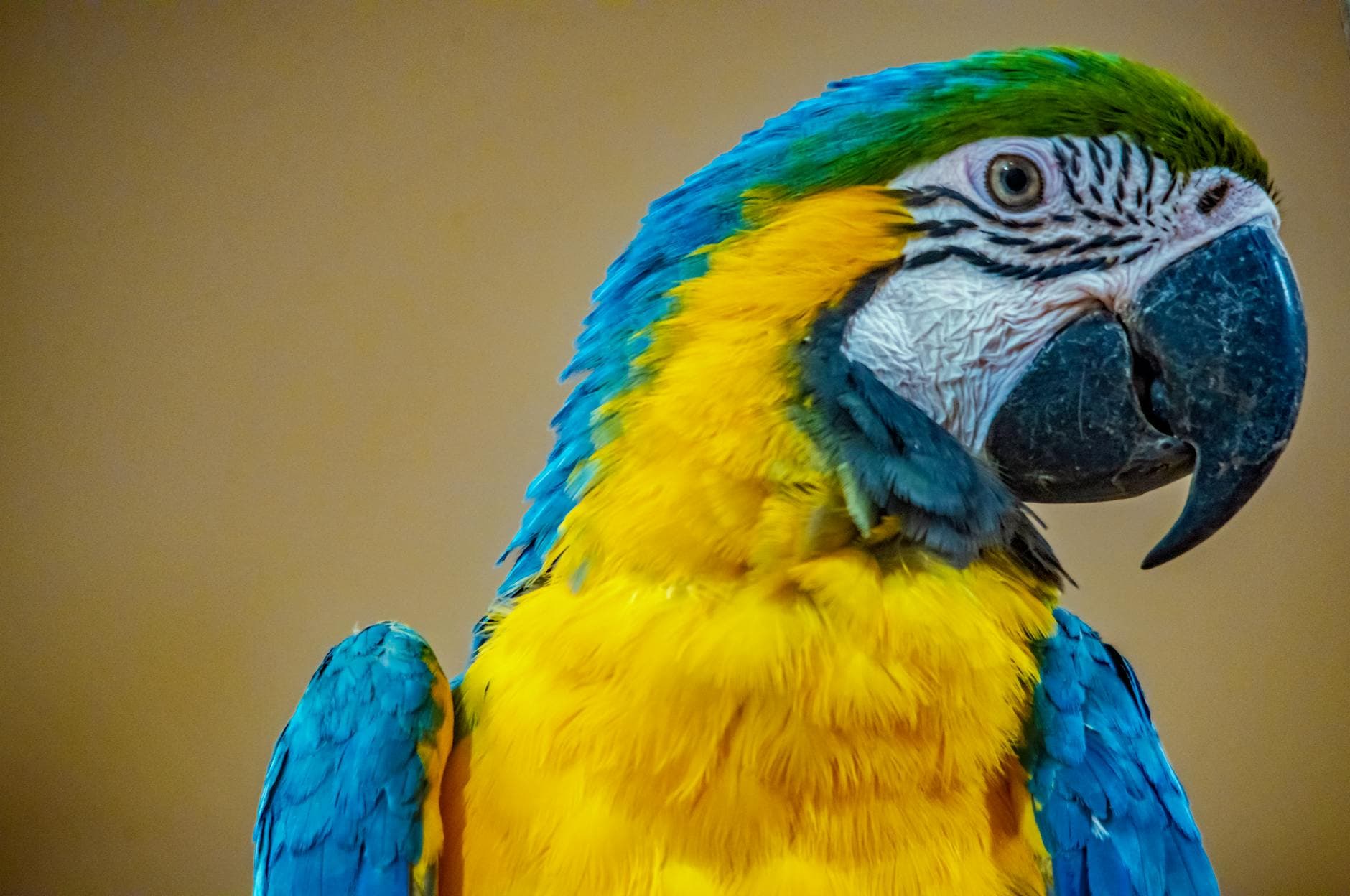
Kokomo’s cheer matters because it shows what recovery can look like in a bird with a long, complicated history. She was not presented as a fragile leftover from rescue work. She was presented as a bird who thrived with devoted new parents, and whose enthusiasm came back when her environment was safe, predictable, and loving. That is the kind of result rescue groups aim for when they take in surrendered parrots and place them in foster homes or permanent placements built around routine, social contact, and long-term support.
It also fits a pattern seen in other macaw rescue stories, where the real win is not some dramatic transformation but the return of trust. Kokomo’s voice, her energy, and her willingness to cheer on cue showed that a bird rescued from instability could still be fully present at 66. That is the part worth remembering: sometimes the strongest sign of good parrot care is not silence and composure, but a very old macaw letting loose with joy when the room gives her a reason to.
Know something we missed? Have a correction or additional information?
Submit a Tip