Gideon the Eclectus parrot chats with mom, showing how parrots communicate
Gideon’s kitchen-stool chat is cute, but the real story is bigger: parrot talk is social learning, not just a party trick.
Gideon’s duet is not just cute, it is a clue
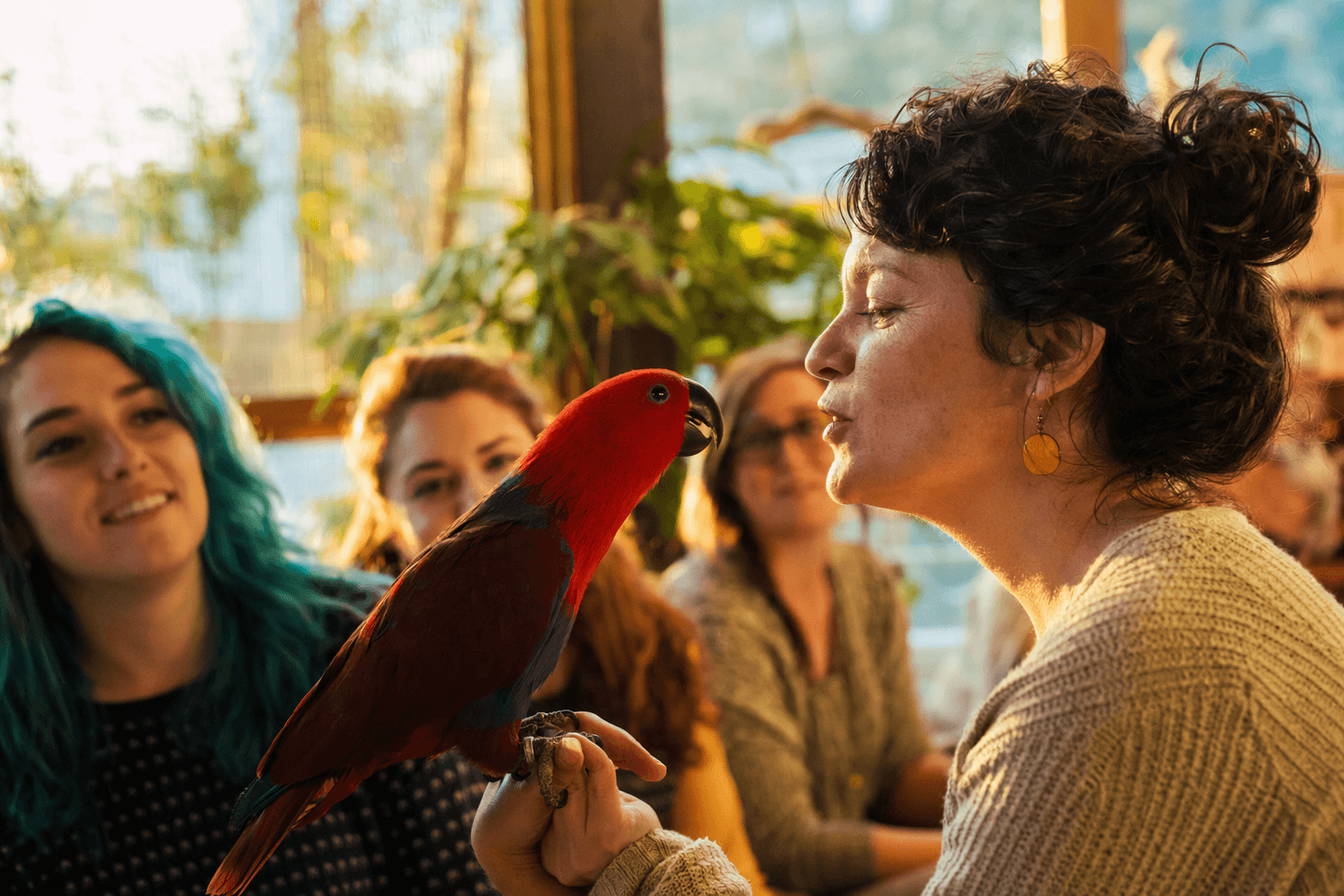
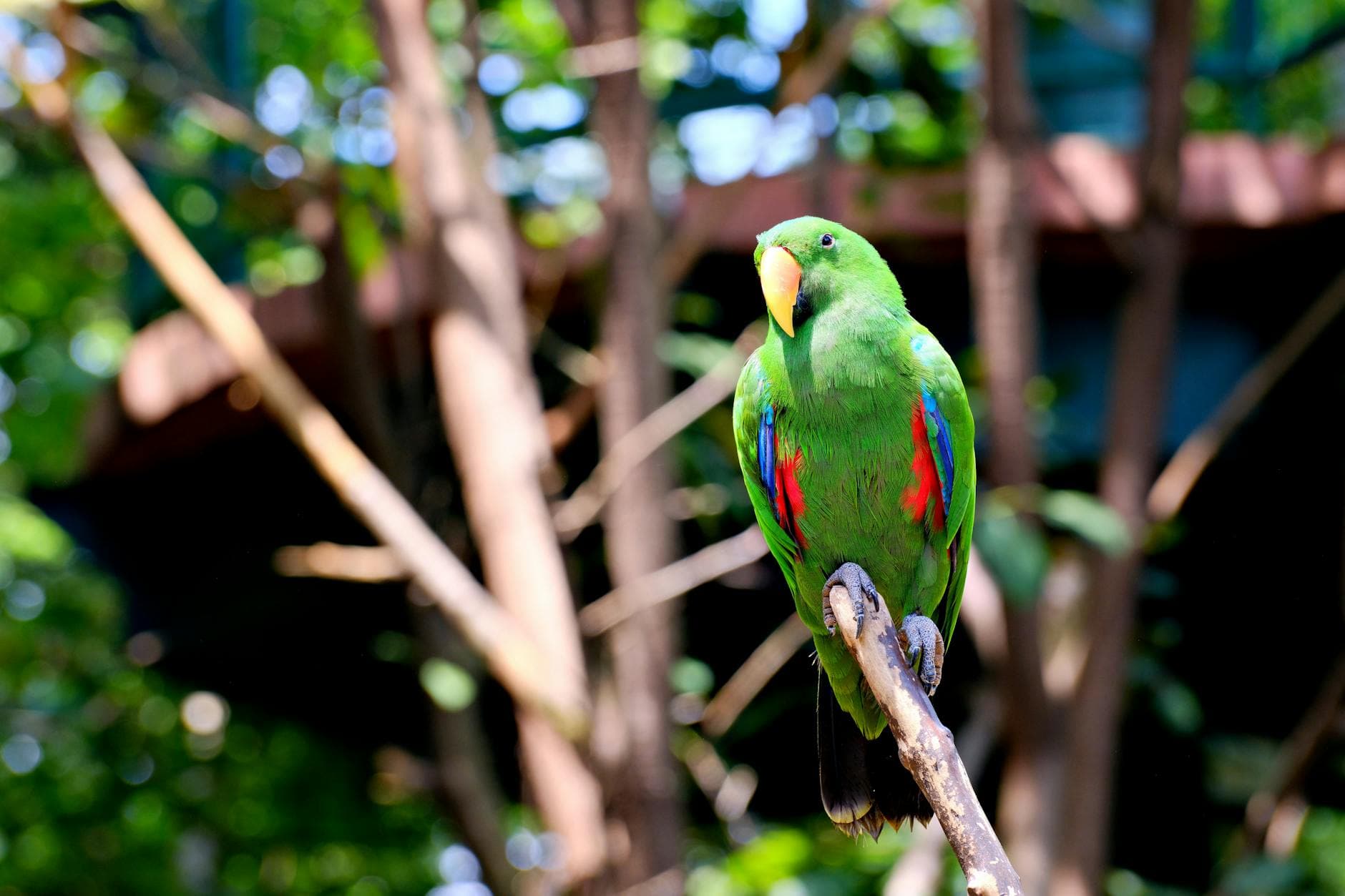
Gideon, a 6-year-old Eclectus parrot, sits on the back of a kitchen stool and starts the whole thing himself: “Hi! What are you doing?” His mom answers, “I’m cleaning the dishes, as per usual,” then sings a little melody. Gideon sings back, drops in his favorite word, “wings,” and keeps the exchange moving on his own terms. That is the part worth noticing. He is not simply echoing a sound in the room, he is taking a turn in a conversation.
That matters because parrots do not talk the way people do. They do not use vocal cords for speech. They produce sound with the syrinx, the avian sound-producing structure that gives them the flexibility to mimic, harmonize, and build surprisingly complex vocal routines. When a bird like Gideon joins a human voice with one of its own, you are seeing a social behavior as much as a vocal one.
What parrot talk does, and what it does not mean
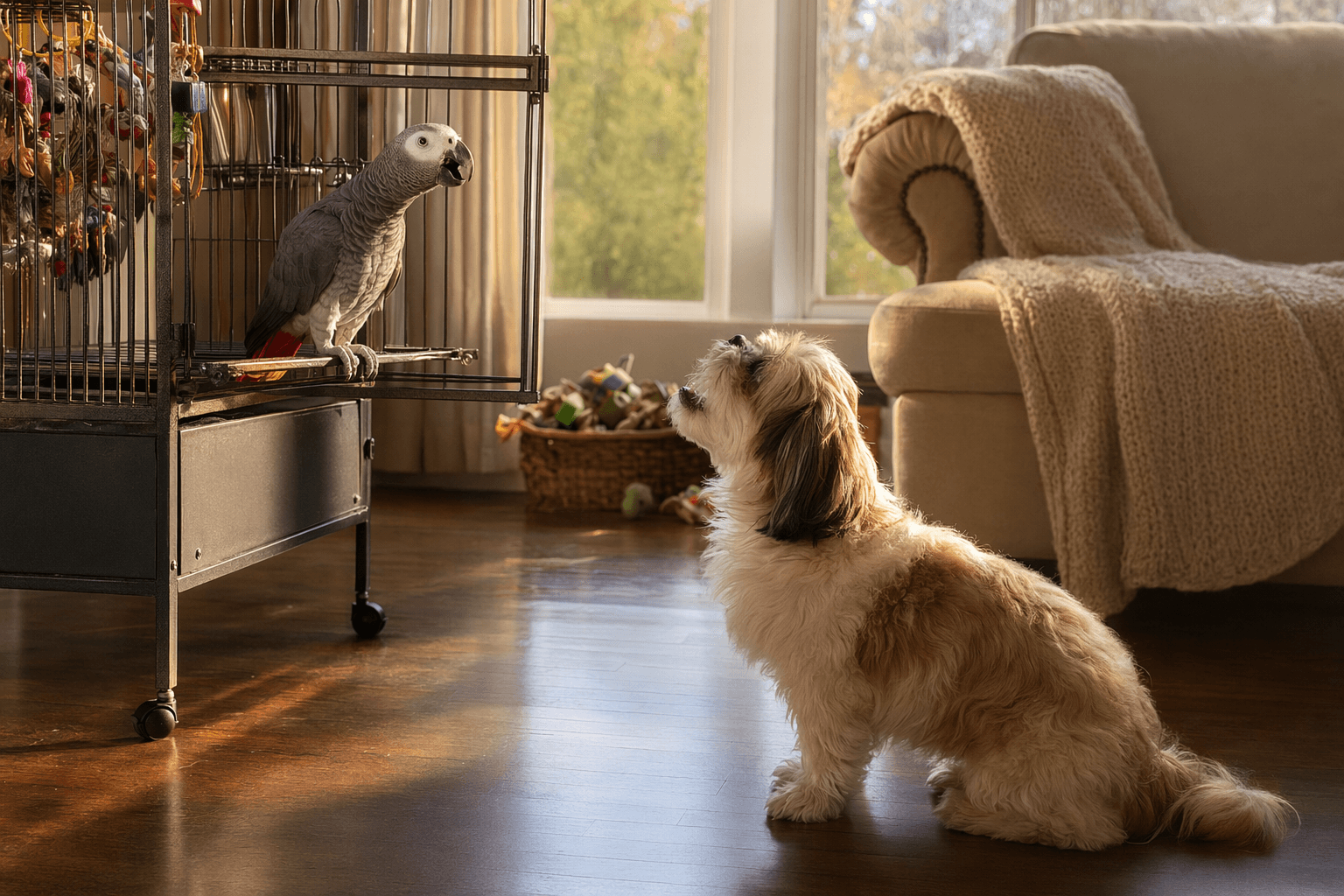
A talking parrot is not automatically a “better” parrot. Speech is one expression of parrot communication, but it is not the whole picture, and it is definitely not the same thing as wellbeing on its own. Some parrots are naturally more verbal than others, and species such as Amazons, African Greys, Indian Ringnecks, Quakers, and Eclectus parrots are especially known for vocal skill.
What speech often tells you is that the bird is engaged. Parrots use learned vocalizations as social tools, and those sounds can reflect comfort, boredom, bonding, or excitement. Gideon’s easy banter with his mom suggests a bird that is woven into the household rhythm, not one performing in isolation for attention. The myth is that talking is the point. The reality is that talking often follows trust, repetition, and daily contact.
That is why a parrot that chats, sings, and interrupts at the right moment can be more revealing than a bird that has been taught a long list of words but sits withdrawn the rest of the day. The conversation is the clue. The relationship is the story.
Why scientists care about parrots that learn words
Cornell researchers describe parrots as one of the very few groups of animals capable of vocal learning. That makes them unusually valuable for science, because their speech is not just a cute pet trick, it is a window into how social learning gets built into the brain.
A 2023 Cornell report noted that parrots and songbirds diverged about 50 million years ago, yet both evolved vocal-learning ability. That split is part of what makes parrots so fascinating. Two very different bird lineages arrived at a similar talent, which gives researchers a powerful way to compare the brain mechanisms behind learned sound.
Work at Cornell, including studies associated with Zhilei Zhao, Jesse Goldberg, and Kathryn Bell, has focused on vocal learning in parrots, including domesticated budgerigar parrots. The point of that work is not to turn parrots into novelty acts. It is to understand how social learning is implemented in the brain, and why some birds can learn combinations of words rather than just isolated sounds. That ability, to combine and remix learned vocalizations, is part of what gives parrot speech its eerie, humanlike quality.
What healthy communication looks like in a pet parrot
If you want better communication from your bird, chase routine first, not talking tricks. The American Veterinary Medical Association describes parrots as highly social birds that need predictable routines, daily interaction, enrichment, and mental stimulation. That is the foundation. Speech grows out of that environment, it does not replace it.
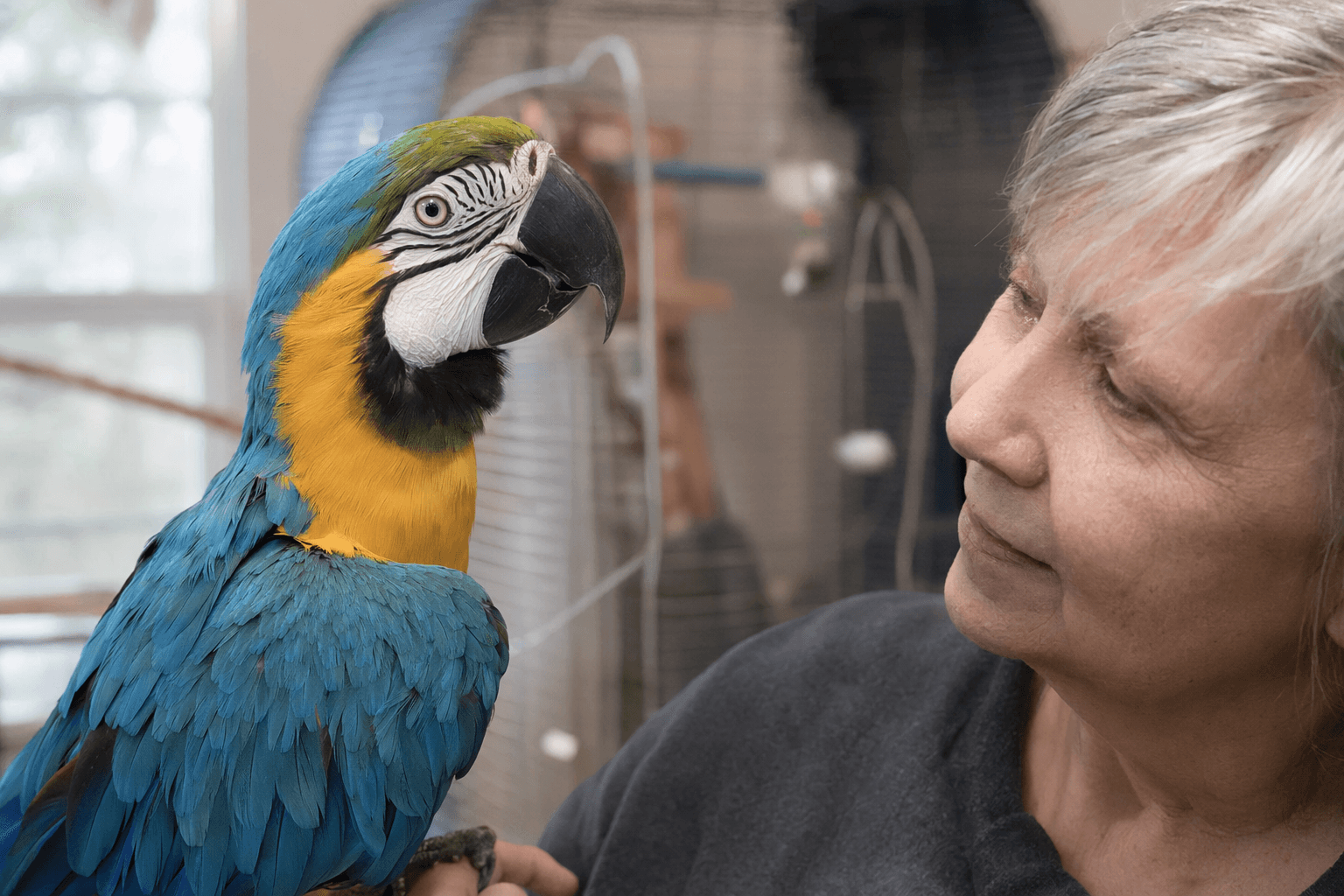
The AVMA also notes that small- and large-parrot species, including conures, Amazons, African Greys, macaws, and cockatoos, have unique personalities and need more time and effort from owners to meet their social and behavioral needs. That is a practical reminder that “parrot” is not one personality type. A bird that talks constantly and a bird that prefers softer contact both still need structure, engagement, and observation.
A useful way to think about it is this:
- Keep the same rough routine each day, especially for feeding, out-of-cage time, and social interaction.
- Talk to your bird often, not just when you want a response.
- Offer enrichment that gives the bird something to do, not just something to look at.
- Watch for changes in tone, volume, and timing, because those shifts often say more than words do.
- Treat speech as one part of behavior, alongside body language, activity level, and overall mood.
When a parrot gets enough social contact, vocalizing often becomes part of a broader pattern of confidence and participation. When it does not, vocal behavior can turn into a warning sign. An AVMA case review of a cockatoo lists boredom, lack of stimulation, and attention-seeking among the possible causes of frequent, intense vocalization, alongside other possibilities such as fear-induced behavior, seasonally induced mating behavior, and contact calling. That is the kind of detail owners need to keep in mind before they assume a noisy bird is simply being dramatic.
The real takeaway from Gideon’s chat
Gideon’s little duet works because it feels mutual. He opens the exchange, his mom answers, and the bird keeps the rhythm going with song and with his favorite word. That is not the same as showing off a skill on command. It is a snapshot of a parrot participating in family life.
If you want a bird that communicates well, build the kind of household where communication has somewhere to land. Use routine, daily interaction, and steady observation. Give the bird reasons to engage, and listen for what the bird is already telling you. A parrot perched on the back of a kitchen stool, starting the conversation before the dishes are even done, is not just being entertaining. It is showing you what a well-socialized bird sounds like when it feels like part of the flock.
Know something we missed? Have a correction or additional information?
Submit a Tip