Alaska Bird Club seeks homes for 23 parakeets after rescue intake
Twenty-three parakeets still need homes after one owner’s breeding spiral sent 30 budgies into Alaska Bird Club care, pushing one Anchorage foster into round-the-clock cleanup.

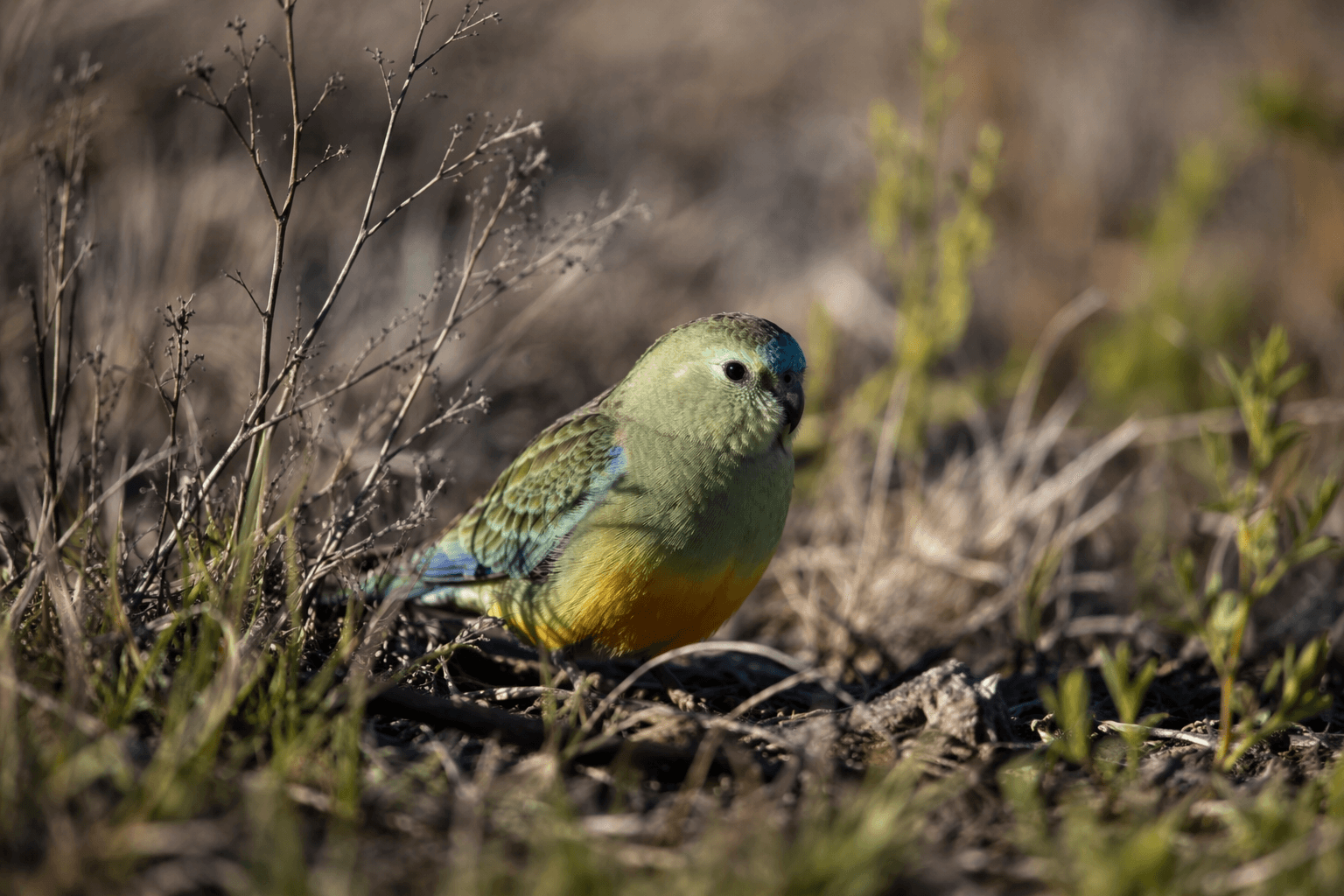
Twenty-three parakeets still need homes after the Alaska Bird Club accepted 30 budgies from a single owner who let the birds breed indiscriminately. The remaining birds are now with one foster volunteer in Anchorage, where feeding, watering and cleaning enclosures has become the daily grind. The rescue has turned into a blunt warning for parakeet owners: a few birds can become far more than a few when breeding is left to chance.
Amber Morris, the club’s president and Lost and Found Rescue Committee lead, said the situation grew because the birds were allowed to mate without a realistic plan for housing, care or placement. The Alaska Bird Club, a nonprofit 501(c)(3) in Alaska, says its mission is to promote responsible avian ownership through education and, when possible, rescue and adoption services for abandoned and unwanted birds across the state. In this case, that means finding homes fast enough to keep the flock from becoming another long-term intake burden.

Part of the work now falls to a foster volunteer affectionately known as Budgie Karen, who helps sort out which birds get along well enough to be adopted together. That detail matters because parakeets are social birds, but social does not mean automatically compatible. If a home is taking in more than one, start by confirming each bird’s sex, then keep same-gender pairs or small groups if breeding is not the goal. The club’s Adopt-A-Bird Committee also helps people re-home or adopt parrots and can answer behavioral and nutrition questions, which matters when new owners are trying to build stable flock dynamics.

The adoption pitch is simple, but it is not casual. Morris says parakeets can be rewarding companions, can live inside without walks, and may even talk back in human language, but they still need patience, adjustment time and work before they trust a person. Animal Humane Society notes that parakeets are very social, prefer pairs or small groups, can live up to 20 years with proper care, and can become ill if they go without food for 24 hours. That is why accidental breeding at home becomes so costly so quickly: once a budgie pairing turns into a clutch of unwanted birds, the rescue intake starts looking less like an exception and more like a flock-sized crisis.
This article was produced by Prism’s automated news system from verified source data, official records, and press releases, then run through automated quality and moderation checks before publishing. The system is built and supervised by the people who set the standards it runs under. Read our full AI policy.
Did this article answer your question?