Argentina works to bring blue-winged macaws back to the wild
A blue-winged macaw is edging back toward Argentina's forests, and its return depends on vet care, flock learning, and a healthy fear of people.
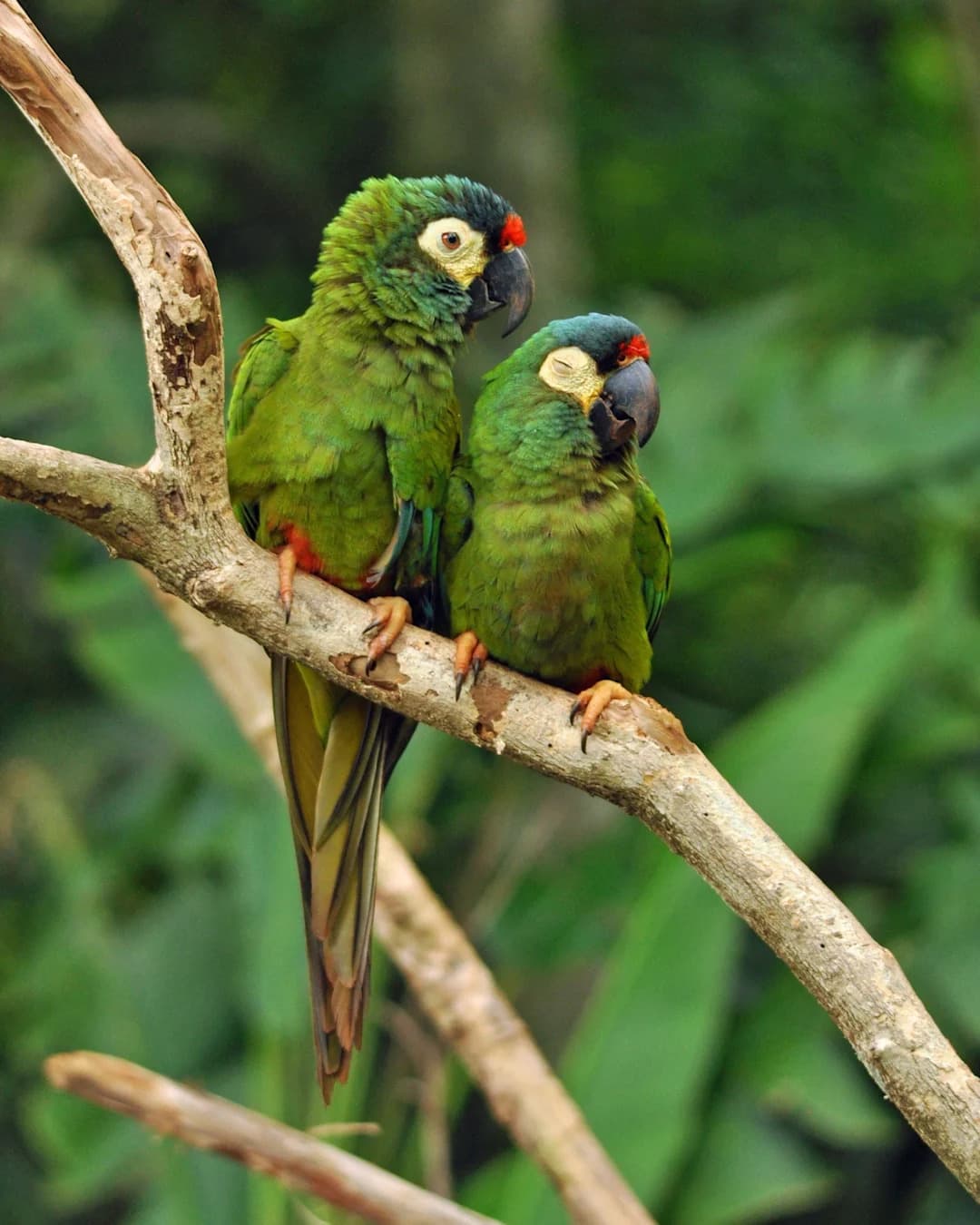
Pionero, a blue-winged macaw with green plumage, blue wings, and a red forehead, is the kind of bird that stops a room. At El Puente Verde Nature Reserve, he became the first resident of the species-management center after quarantine, a small but bright sign that a parrot long absent from the wild in Argentina can still have a future there. The comeback now unfolding in Misiones is not just about saving one bird. It is about rebuilding the habits that let macaws live without people.
From rescue to release-ready
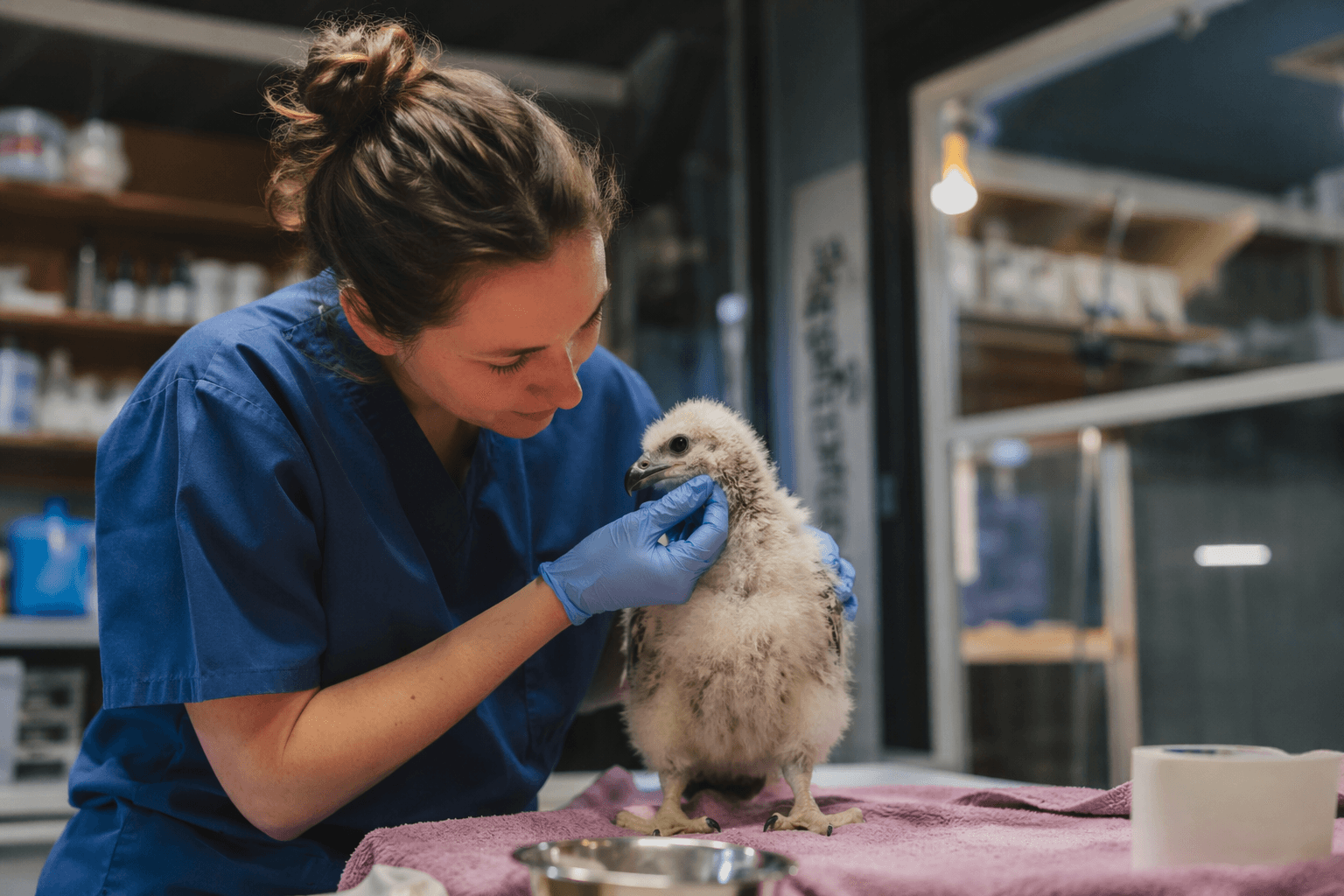
The first stop is Güira Oga Wildlife Refuge in Puerto Iguazú, where veterinarian Dante Di Nucci checks incoming birds before they move farther along the release pipeline. He examines them, takes X-rays, orders blood work, and treats injuries, because many of these macaws arrived from lives as pets or from zoos that later closed. That history leaves a mark: overweight bodies, weak flight muscles, damaged feathers, and little fear of humans.
Those problems matter in the Misiones rainforest, where a bird has to move cleanly through the canopy, find food, and stay alert without a person nearby. A macaw that has spent years around cages and kitchens may look healthy enough on the outside and still lack the flight strength or caution needed to survive outside human care. The rescue work, then, is not a rescue in the narrow sense of capture and transport. It is the beginning of retraining a bird for a landscape that no longer makes concessions.
What the birds have to learn again
At El Puente Verde Nature Reserve, the project shifts from medicine to behavior. The goal is to restore natural caution toward humans, because parrots raised around people can lose the wariness that keeps wild birds alive. That is why Di Nucci’s point matters so much: a bird that can fend for itself after release has a better chance than one that only looks recovered in a clinic.
Since 2023, the birds in Project Maracaná have been prepared with environmental enrichment, native-fruit and flower feeding, skill training, and flight training. Those steps sound simple, but together they rebuild the routines a wild macaw depends on. The birds need to practice moving like birds again, not like animals that expect food to arrive in a dish.
The process is easy to picture once you think of the species as a social, noisy, intelligent parrot that learns by watching the flock around it. A macaw that has to return to the wild needs more than a clean bill of health. It needs to relearn how to perch, explore, feed, and keep its distance.
Why habitat still decides the outcome
BirdLife says the blue-winged macaw formerly occurred in Misiones, Argentina, and Rio Grande do Sul, Brazil, but is extinct in the Upper Paraná Atlantic Forest biome. BirdLife also notes a reintroduction project in the upper Iguazú River basin to re-establish the species in Iguazú National Park in Argentina and Iguaçu National Park in Brazil. That is the larger frame for the work at Güira Oga and El Puente Verde: the goal is not just to hold birds in managed care, but to put them back into a landscape that can support them again.
The species’ disappearance is tied to habitat loss, the pet trade, and direct persecution, with the loss of large nesting trees adding another layer of pressure. World Parrot Trust describes the blue-winged macaw’s natural home as tropical and subtropical evergreen and deciduous forests, including Atlantic rainforest and cerrado savanna, often near forest edge or water. That detail matters because reintroduction is never only about the bird. It is also about whether the forest still has the structure, food, and nesting possibilities a flock needs.
Aves Argentinas is coordinating the broader program with partner institutions in Argentina and Brazil. Founded in 1916, it describes itself as the oldest environmental organization in South America and says it has about 4,000 members. In practice, that means the comeback is being carried by a network that spans fieldwork, coordination, and long-term species management, not a single release day.
The milestones that show the project is working
The early markers are already visible. Aves Argentinas said the first birds in Project Maracaná were quarantined at Güira Oga before transfer to El Puente Verde. It later identified Pionero as the first resident of the species-management center after quarantine. In December 2025, the organization also reported the first blue-winged macaw chick at Puente Verde, a sign that the project is producing new life as well as preparing survivors.
Those milestones matter because they show how a species moves from memory back into the wild. A macaw that once lived across part of the region, then vanished for years, does not return by accident. It returns through quarantine rooms, veterinary checks, training flights, and the slow work of restoring fear, strength, and flock behavior.
Pionero’s bright body is the easy part to notice. The harder work is what happens after quarantine, when a macaw learns to fly, forage, and keep its distance from a human path in the Misiones forest. That is the real return: not a bird on display, but a species learning how to belong to the trees again.
This article was produced by Prism’s automated news system from verified source data, official records, and press releases, then run through automated quality and moderation checks before publishing. The system is built and supervised by the people who set the standards it runs under. Read our full AI policy.
Know something we missed? Have a correction or additional information?
Submit a Tip