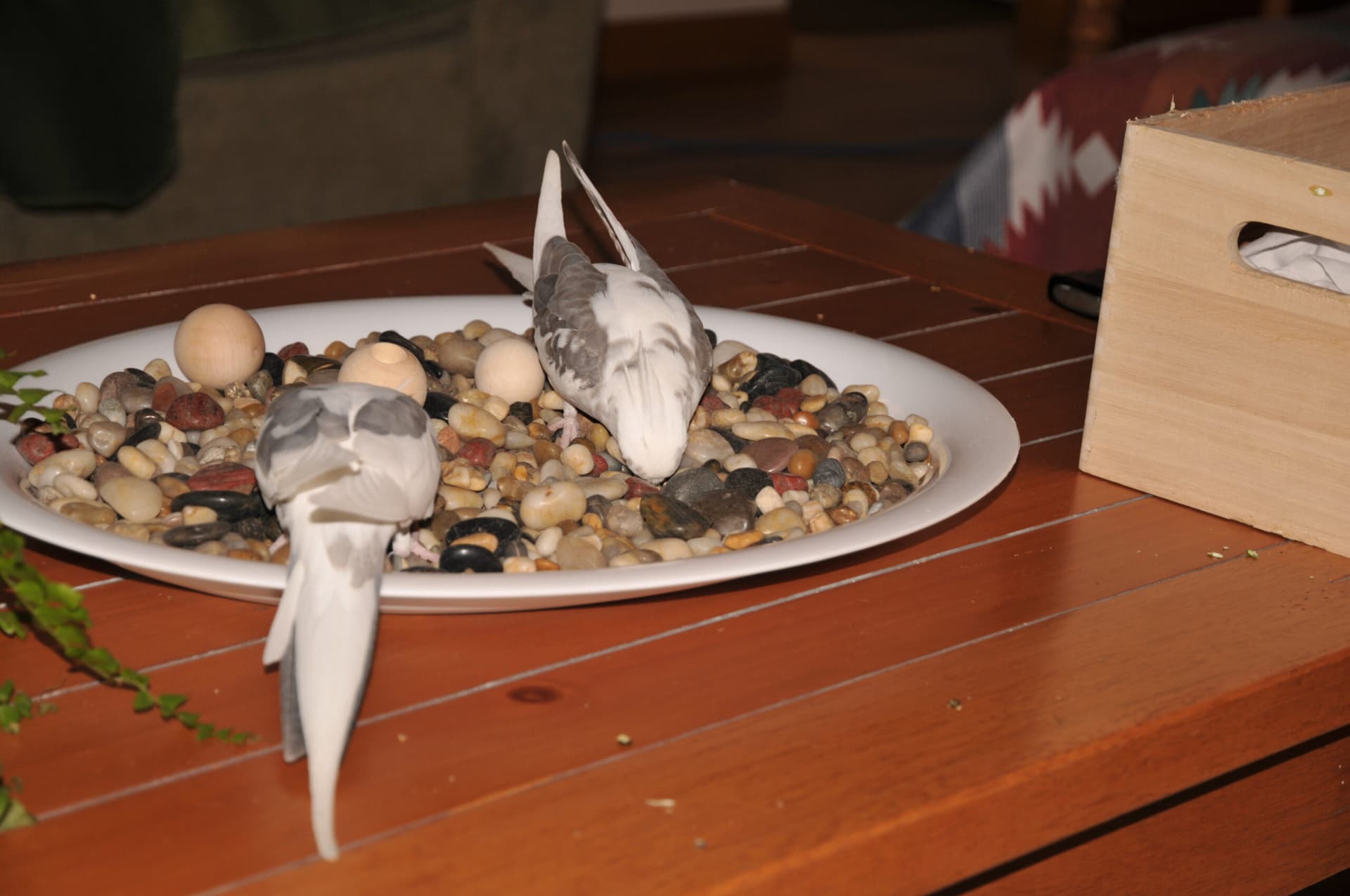
911 Parrot Alert records found parakeet in St. Louis, Missouri
A St. Louis budgie showed up in 911 Parrot Alert with no band and unknown microchip status, turning one found-bird post into a reunion race.

A parakeet, listed as a budgie, was found in St. Louis, Missouri, on June 20, 2026, and the 911 Parrot Alert record says the bird had no band and an unknown microchip status. For a small parrot that may have vanished from a porch, a tree line, or a telephone wire, that is exactly the kind of thin trail that can decide whether an owner gets a reunion or a dead end.
The St. Louis entry sits inside 911 Parrot Alert’s larger recovery network, which the site says it established in 2003 as an international registry and central database for lost, stolen, found, and sighted companion birds. Its public counters now list 73,582 members, 4,211 reported lost birds, 179 reported stolen birds, 509 reported found birds, and 138 reported sightings, a scale that shows why even a single found-bird post can matter when time is short.
The listing also shows how recovery actually works on the ground. The reporter can be contacted only by registered members who log in to the site, which means the sighting is meant to move through a controlled network rather than sit as an open notice. For owners trying to track a missing budgie, the fastest moves are the ones that create a clean paper trail: post the bird immediately in lost-and-found bird networks, alert neighborhood groups and local residents, and document any visible marks, odd feather patterns, or leg bands before the trail goes cold.
That band detail matters. VCA Animal Hospitals says a leg band is often a bird’s only form of identification, and if the band is removed or missing, positive identification can get difficult fast. The American Veterinary Medical Association encourages veterinarians to recommend microchips for companion animals, but it also makes clear that a microchip is not a GPS device and cannot track a lost bird. USDA Animal and Plant Health Inspection Service guidance says bird identification can also rely on a microchip, tattoo, or leg band, and the ID has to match the health certificate. In a case like the St. Louis budgie, those missing details are not small gaps. They are the difference between a lead and a guess.
The local response side is just as important. STAR St. Louis Avian Rescue says it has served companion parrots since 2004 and describes itself as the St. Louis area’s only 501(c)(3) nonprofit dedicated to parrot rescue, rehabilitation, fostering, adoption, and education. That kind of neighborhood-level support is what turns a bare found-bird entry into a real search: a bird logged, a finder reached, and an owner with enough identifying detail to prove the bird is theirs.
A June 20 found date, no band, and unknown microchip status make this St. Louis budgie a perfect example of how fragile parrot identification still is. The bird is in the system now, and in cases like this, the system only works if the right eyes see it fast.
This article was produced by Prism’s automated news system from verified source data, official records, and press releases, then run through automated quality and moderation checks before publishing. The system is built and supervised by the people who set the standards it runs under. Read our full AI policy.
Know something we missed? Have a correction or additional information?
Submit a Tip