World Parrot Trust guide says foraging is essential parrot welfare
Foraging is not a bonus toy. The World Parrot Trust treats it as daily welfare work that can cut boredom and make captive parrots behave more like parrots.
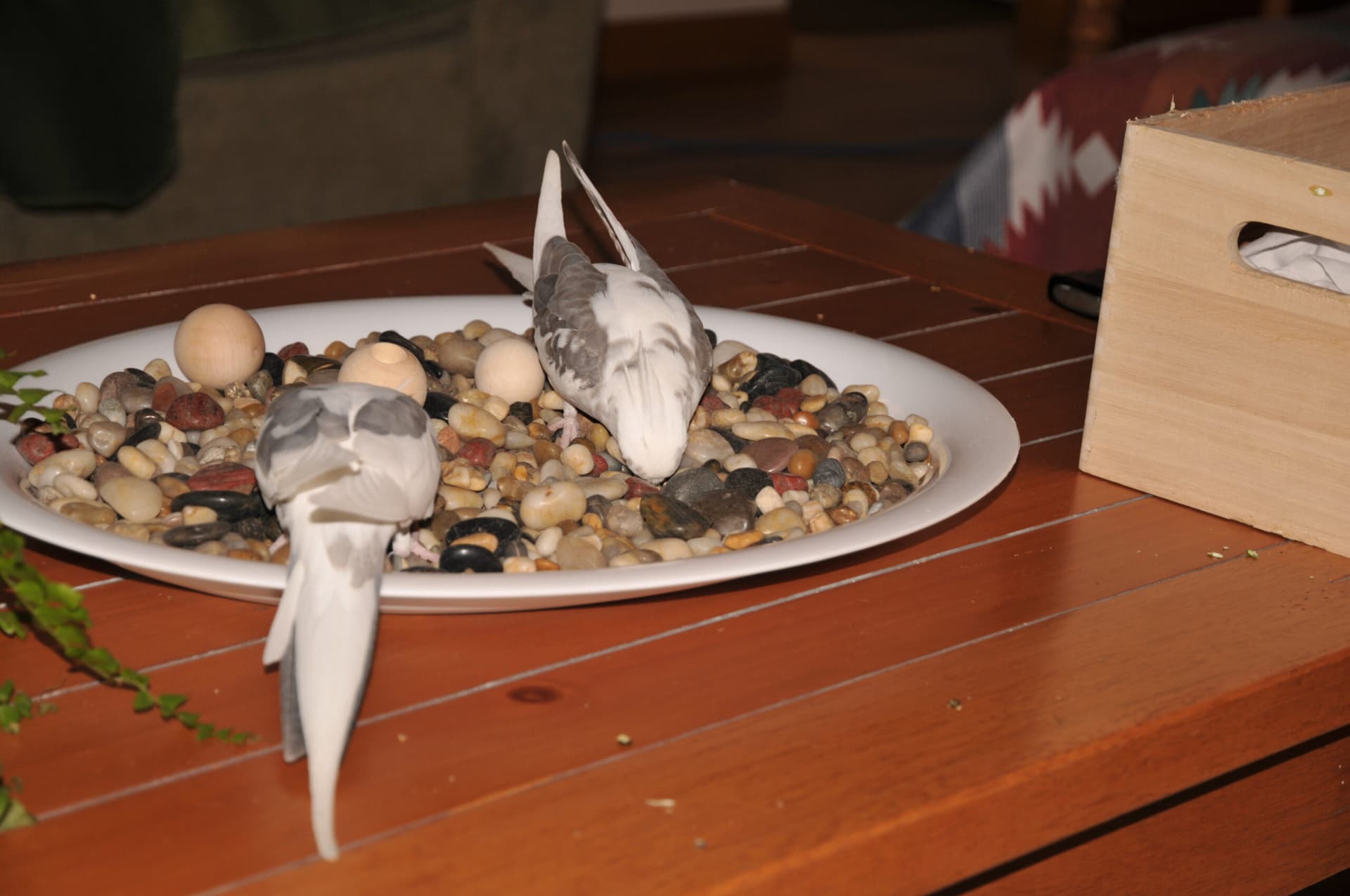
The quickest way to see what a parrot is built for is to watch one turn breakfast into a project. A cockatiel or conure does not just eat, it investigates, flips, peels, nudges, and tests every bit of food with beak and feet before it disappears. Foraging is not a luxury add-on; it is part of everyday welfare.
Foraging is the job hidden inside mealtime
The World Parrot Trust treats foraging as natural and essential because parrots in the wild spend long stretches searching, manipulating, and evaluating food. That repeated problem-solving is not just busywork. It keeps birds mentally stimulated, mirrors species-typical behavior, and helps reduce boredom that can lead to destructive habits in the home.
A bowl can meet nutritional needs on paper and still leave a bird underused. A parrot that eats in seconds has not used the same instincts that would keep it occupied in the wild.
What working for food looks like in a house or apartment
The good news is that foraging does not require a giant setup or a specialist room. Starting small and scaling up makes it workable for budgies, conures, cockatiels, amazons, cockatoos, and larger parrots alike. The challenge changes with the bird’s size and skill, but the principle stays the same: food should sometimes be something the bird has to earn.
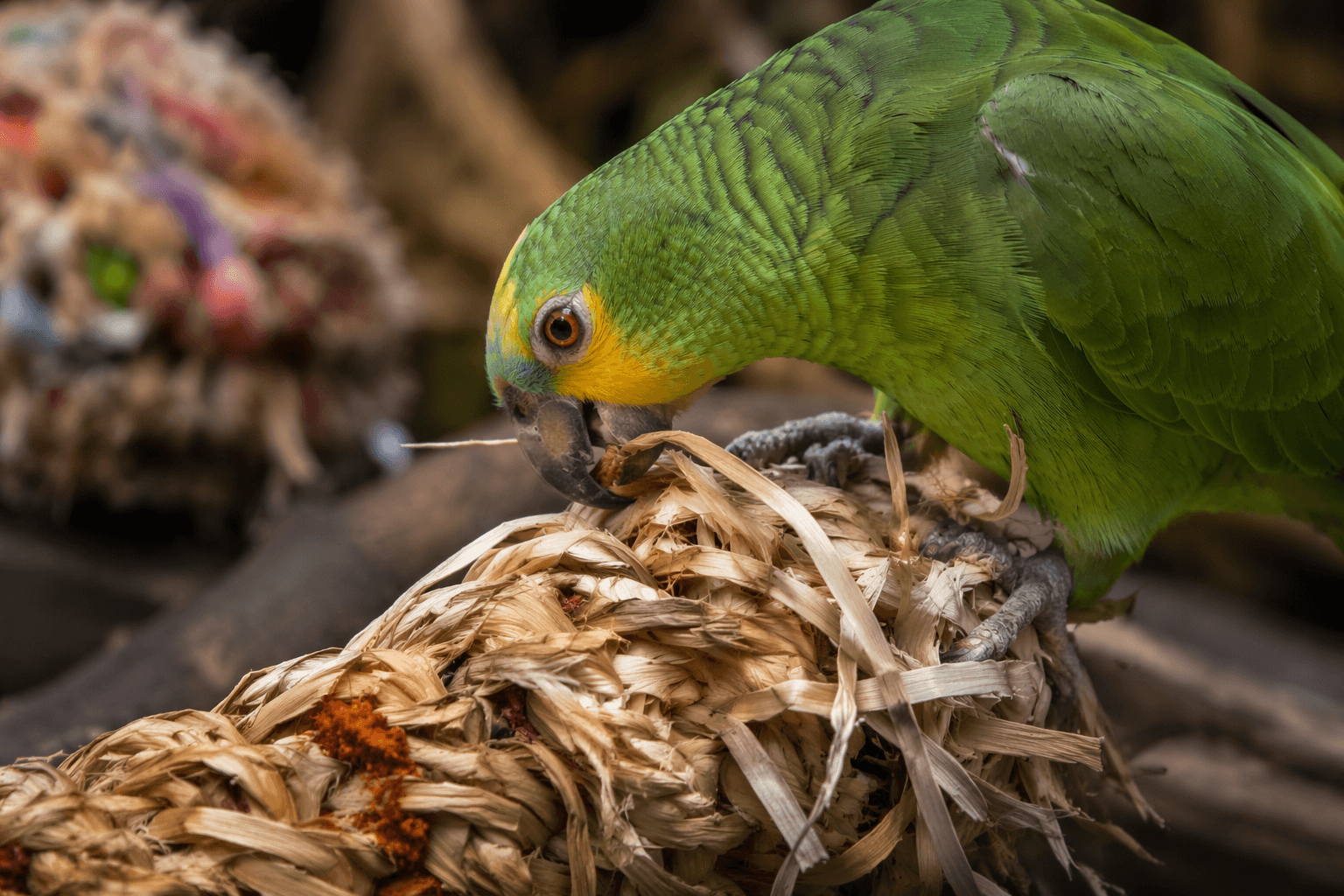
- hiding treats in toys
- using simple foraging puzzles
- creating more challenging feeding setups that require searching before eating
A useful first step this week is to move one favorite treat out of the bowl and into a simple foraging setup. Start with:
That shift changes the meal from a passive handoff into a short job. A bird has to use its beak, feet, and brain.
Why the behavior payoff matters
Foraging is not only about keeping a bird amused for an afternoon. The Trust ties it to the kinds of problem behaviors that grow out of under-stimulation, frustration, and boredom. When a parrot is mentally occupied, it is often less likely to slide into habits that come from having too little to do.
That link makes foraging especially useful in homes where a bird already spends time on a play stand, in a cage, or near the family’s daily routine. A parrot that likes to guard a window like a dog, mimic a nail-filing sound, or join in on every household sound is already showing how much it wants engagement.
What the research says about time spent foraging
The Trust’s advice is also backed by behavior research. A 2023 study in Applied Animal Behaviour Science found that a two-component foraging enrichment increased grey parrots’ foraging time to about 4 hours per day, bringing captive birds closer to wild foraging time budgets.
Earlier work in Animal Welfare pointed in the same direction. Extra foraging opportunities increased foraging behavior and served as a useful form of enrichment for parrots. That study also found evidence of allopreening and contrafreeloading, showing birds respond to the chance to work for food in ways that support natural behavior.
Why the World Parrot Trust keeps coming back to this message
The Trust has been making this kind of welfare argument for a long time. Founded in 1989, it says it has helped more than 70 species in 43 countries, and companion parrots are part of that mission too. Its stated goal is to help parrots live long, healthy, happy lives, and the foraging guidance sits inside a broader set of parrot care resources rather than standing alone as a cute enrichment tip.
The same mix of conservation and welfare is visible in World Parrot Day, which the Trust says began in 2004 with a Trafalgar Square rally in London drawing attention to the wild-caught bird trade. The day now falls each year on May 31.
This article was produced by Prism’s automated news system from verified source data, official records, and press releases, then run through automated quality and moderation checks before publishing. The system is built and supervised by the people who set the standards it runs under. Read our full AI policy.
Know something we missed? Have a correction or additional information?
Submit a Tip