Birdman Chan Quach urges owners to understand parrots first
Chan Quach says the bird comes first, and that message is changing how Los Angeles County owners think about trust, enrichment, and flight. His six-macaw routine makes the lesson hard to ignore.
Chan Quach turns bird care into a public lesson
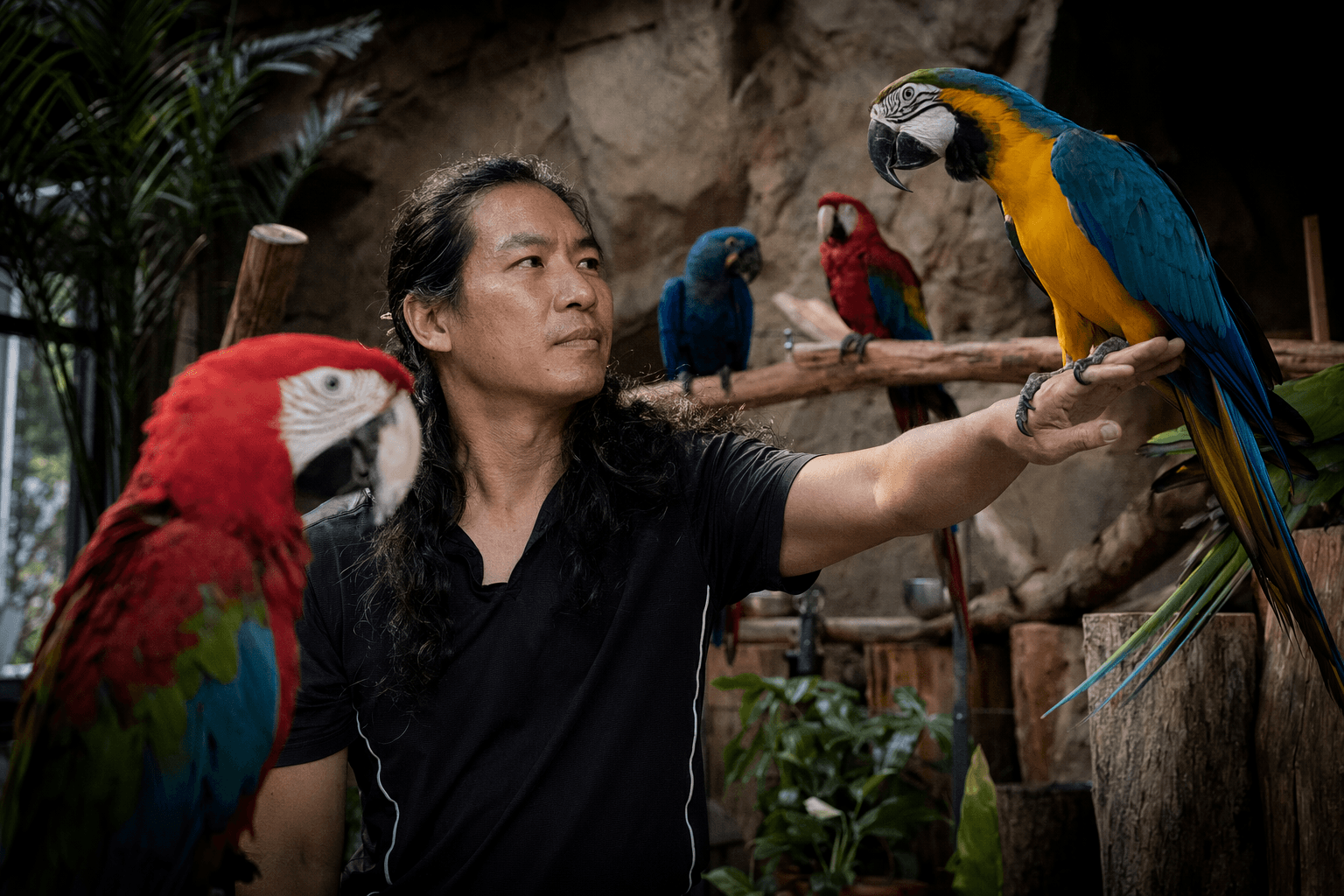
Chan Quach is hard to miss when six macaws are part of the daily routine. The latest San Gabriel Valley Tribune profile puts the Birdman back in the spotlight for a reason that matters to parrot owners: his whole approach starts with one blunt rule, understand the bird first, then build the relationship.
That sounds simple until you watch how far he takes it. In earlier coverage from LA Times Today, Quach was described as a professional bird behaviorist who treats and prevents problematic behavior in pet birds, teaches owners safe outdoor free-flight recall, and spends time with his flock of six macaws while biking, walking, running errands, and even stopping for coffee. The spectacle gets attention, but the practical message is the part owners should keep.
The Birdman model is built on trust, not tricks
Quach’s appeal is that he does not talk about parrots like props. He talks about them like intelligent animals that notice everything, from body language to routine to whether a person feels safe. That matters because the usual mistakes with companion birds are rarely dramatic. They are small, everyday failures of understanding: forcing handling before trust is built, expecting a bird to stay calm without mental stimulation, or treating flight as a stunt instead of a behavior that has to be trained and managed.
For owners, the takeaway is clear. Training is easier when the bird already trusts the person giving the cue. A bird that feels secure is more likely to step up, recall, and tolerate handling without panic. A bird that is bored, frustrated, or ignored is more likely to scream, bite, feather-pluck, or shut down.
Why this lands in Los Angeles County
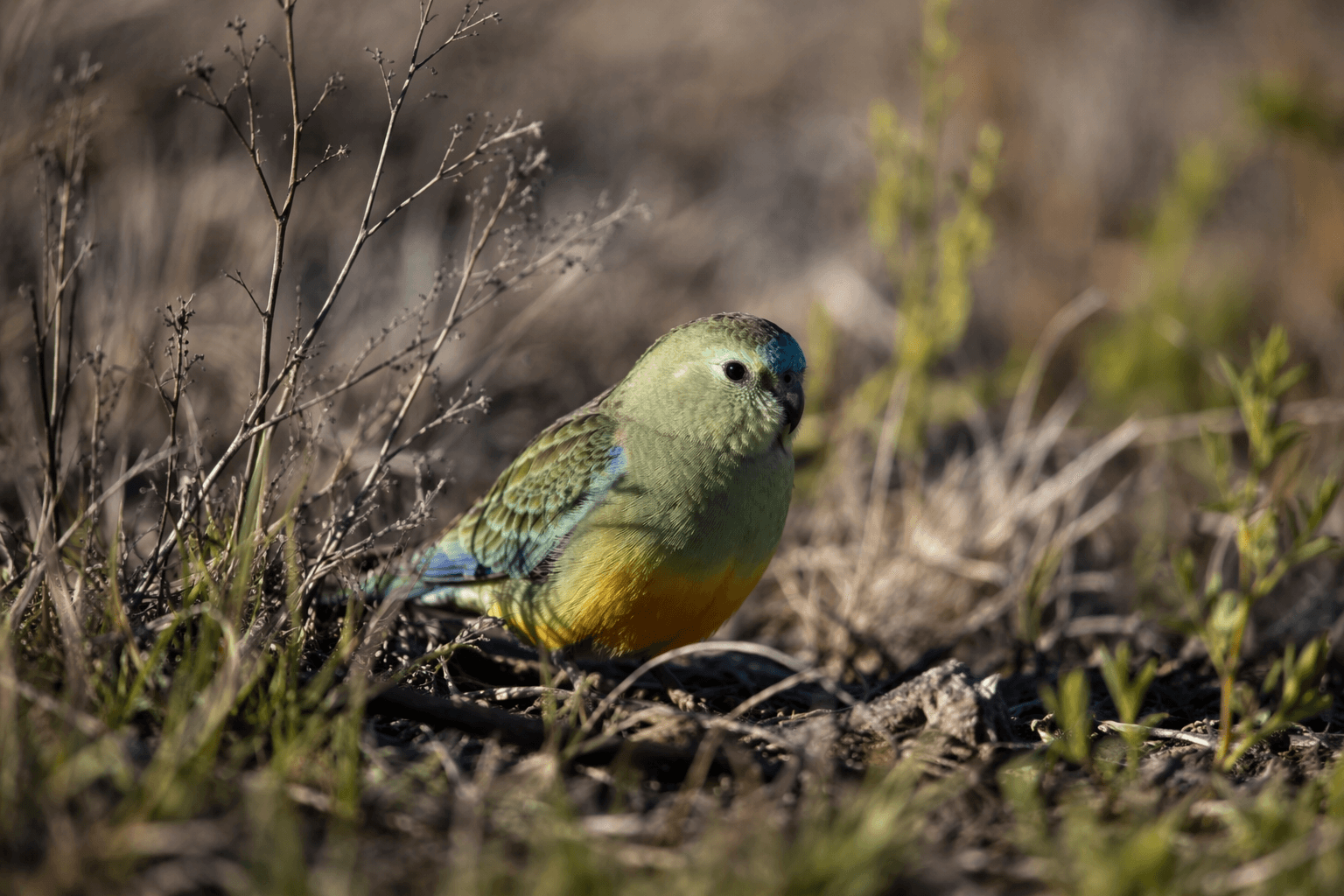
Quach’s message resonates in Los Angeles County because parrots are already part of the local landscape. National Geographic has described colorful parrots as a common sight across the county, likely descended from pet birds that escaped and adapted to urban life. KTLA has also reported that some of those local parrots include red-crowned parrots, a species it noted is listed as endangered in the wild.
That backdrop gives Quach’s work extra weight. In a place where people see parrots in parks, neighborhoods, and tree canopies, bird care stops being a private hobby and starts looking like a public responsibility. The fact that the county has visible feral and non-native parrot populations makes owner behavior, escape prevention, and safe handling feel less theoretical and more immediate.
What parrot owners should actually do differently
The strongest practical lesson from Quach’s approach is that daily care has to be built around the bird’s needs, not the owner’s schedule. That starts with observation. Watch how your parrot moves, what it avoids, what it seeks out, and how it reacts to noise, new people, and handling. The bird tells you more than a generic care sheet ever will.
It also means building in enrichment that matches the bird’s intelligence. The Association of Avian Veterinarians says enrichment can be sensory, nutritional, manipulative, environmental, and behavioral, and that is the right way to think about a companion parrot’s day. A parrot needs things to look at, chew, shred, solve, climb, and practice. Veterinary Partner says boredom and lack of mental stimulation can contribute to stress and behavior changes in captive birds, which is why a quiet cage with no challenge is often the beginning of bigger problems.
A useful way to think about it:
- Sensory enrichment: changes in light, texture, sound, and foraging opportunities
- Nutritional enrichment: food that requires effort, not just a bowl refill
- Manipulative enrichment: toys and objects the bird can shred, hold, or work apart
- Environmental enrichment: perches, space, and layout that let the bird move like a bird
- Behavioral enrichment: recall work, training sessions, and interaction that reward curiosity
That mix is what turns ownership into stewardship.

Free flight is not a casual flex
Quach is also known for teaching safe outdoor free-flight recall, and that is where the line between admiration and caution matters most. Free-flight work can look beautiful, but specialized guidance warns that outdoor free flight is risky and not suitable for the average companion parrot owner. Wind, predators, spooking, distraction, and one weak recall can turn a fun outing into a lost bird in seconds.
That is why Quach’s methods draw both interest and skepticism. For experienced trainers, he represents a high-skill approach rooted in recall, trust, and constant reading of the bird. For most owners, the safer lesson is not to copy the stunt, but to copy the mindset. Train recall indoors first. Build trust in low-risk settings. Never confuse a viral clip with responsible flight handling.
The local support network matters too
Quach’s philosophy does not stand alone. Los Angeles County has a wider bird-care ecosystem that makes his message more useful. The Parrot Society of Los Angeles describes itself as an all-volunteer nonprofit dedicated to parrot welfare and education, and Fine Feathered Friends Foundation operates as a bird rescue and rehoming nonprofit in El Segundo. Those groups reflect the same core idea Quach keeps pushing: parrots do best when people treat them as long-term commitments with real behavioral needs.
That combination of education, rescue, and owner support is exactly what improves outcomes. It can keep birds from being rehomed because of preventable behavior problems. It can help owners recognize boredom before it becomes aggression. It can also reduce the odds that a companion bird ends up outside, lost, or unable to cope with the world around it.
Quach’s value is not that he has turned birds into a performance. It is that he keeps reminding Los Angeles County that good parrot care starts with respect for what the bird already is: intelligent, social, curious, and built for movement. Understand that first, and the rest of the relationship has a much better chance of working.
This article was produced by Prism’s automated news system from verified source data, official records, and press releases, then run through automated quality and moderation checks before publishing. The system is built and supervised by the people who set the standards it runs under. Read our full AI policy.
Did this article answer your question?