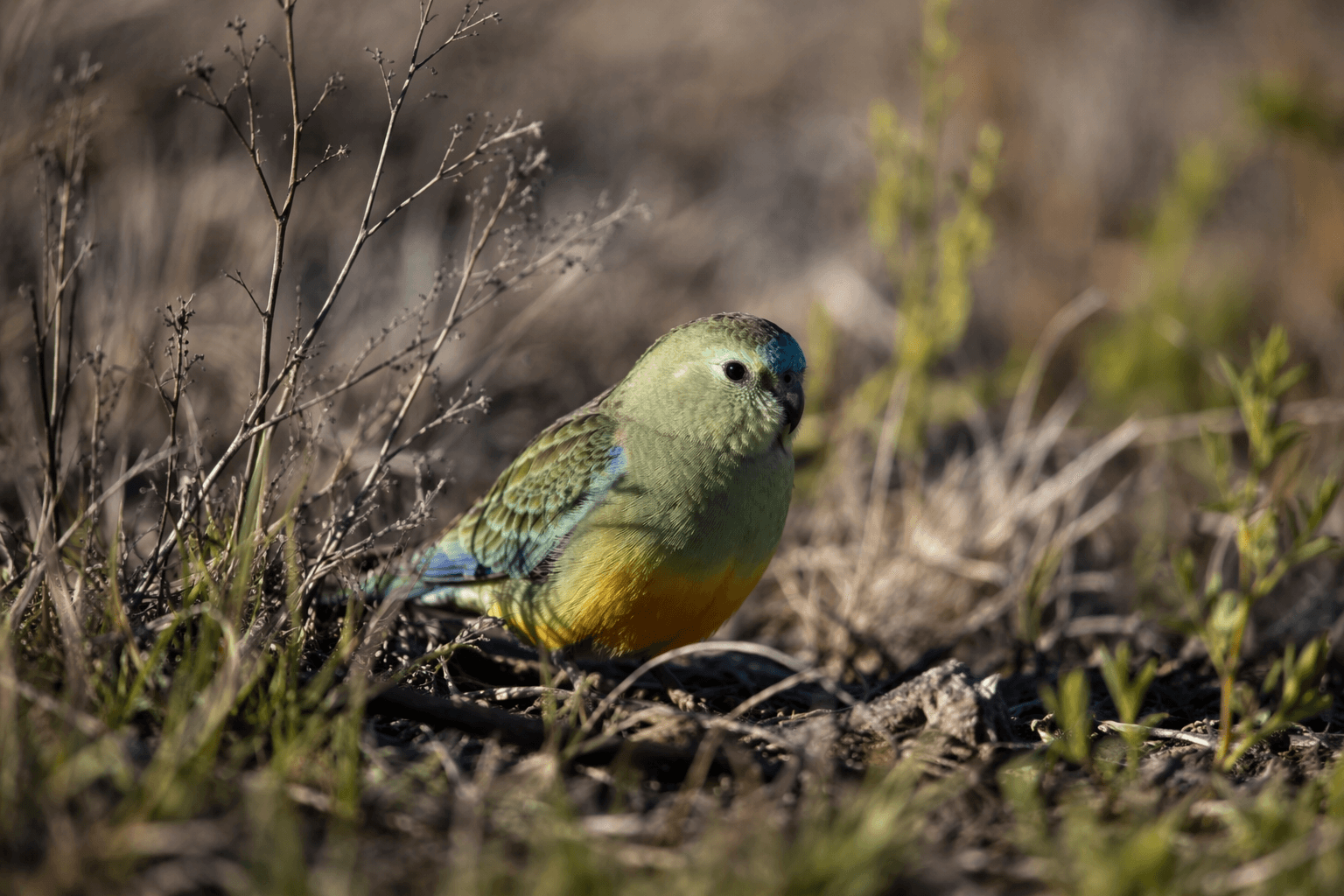
Birds of the World revises Blue-winged Parrot account, updating species data
Birds of the World gave the Blue-winged Parrot a full revision, a quiet update that sharpens range, habitat, and conservation context for keepers.
Birds of the World marked the Blue-winged Parrot, Neophema chrysostoma, for a full revision on May 22, 2026, and that matters because a species account is only useful if it stays current. The update sat on the homepage alongside other recently revised accounts, a small signal that the underlying biology is being actively maintained, not left to age out.
For companion-parrot readers, the point is not that this is a pet species. The point is that parrot care sits downstream from species knowledge. Birds of the World ties its accounts to scholarly life-history content, eBird observations, multimedia, and range-map material, and it says accurate distribution is critical to conservation. When a Blue-winged Parrot account gets a full revision, it improves the baseline for how birders, educators, and researchers read the species in the wild, which in turn sharpens how related parrots are understood in captivity and rescue settings.
That is especially important for a bird that has been moving in the wrong direction. BirdLife Australia says Blue-winged Parrots are most common in Tasmania, Victoria, and south-eastern South Australia, even as populations decline in those core regions. BirdLife International’s factsheet says the species was widespread 60 years ago and was once the commonest parrot in Tasmania. It also reports a 77 percent decline in reporting rates in northern Tasmania from 2008 to 2018 and a 75 percent decline statewide from 2001 to 2005 to 2013 to 2017.

The habitat picture is more nuanced than a single woodland label, and that is where a revision earns its keep. In a BirdLife International forum discussion on whether to revise the species’ global status, Blue-winged Parrots were described as reliant on woodland for breeding habitat. The same discussion noted that many South Australian records come from coastal saltmarsh and other coastal habitats. That kind of detail helps keepers and field people alike think more clearly about what a Neophema actually uses on the ground, instead of flattening the bird into a generic parrot profile.
BirdLife International coordinates bird assessments for the IUCN Red List, so a Birds of the World revision lands inside a larger conservation system, not outside it. For anyone who follows parrots closely, that is the real takeaway from the Blue-winged Parrot update: a revised account does not just tidy the taxonomy. It refreshes the habitat, range, and status clues that keep the whole parrot world reading from the same, more accurate page.
This article was produced by Prism’s automated news system from verified source data, official records, and press releases, then run through automated quality and moderation checks before publishing. The system is built and supervised by the people who set the standards it runs under. Read our full AI policy.
Did this article answer your question?