Blue-crowned parakeets spread across Florida’s Space Coast
Blue-crowned parakeets are pairing up, flocking and breeding along Melbourne’s roads, showing how fast an escaped pet bird can find a foothold outdoors.
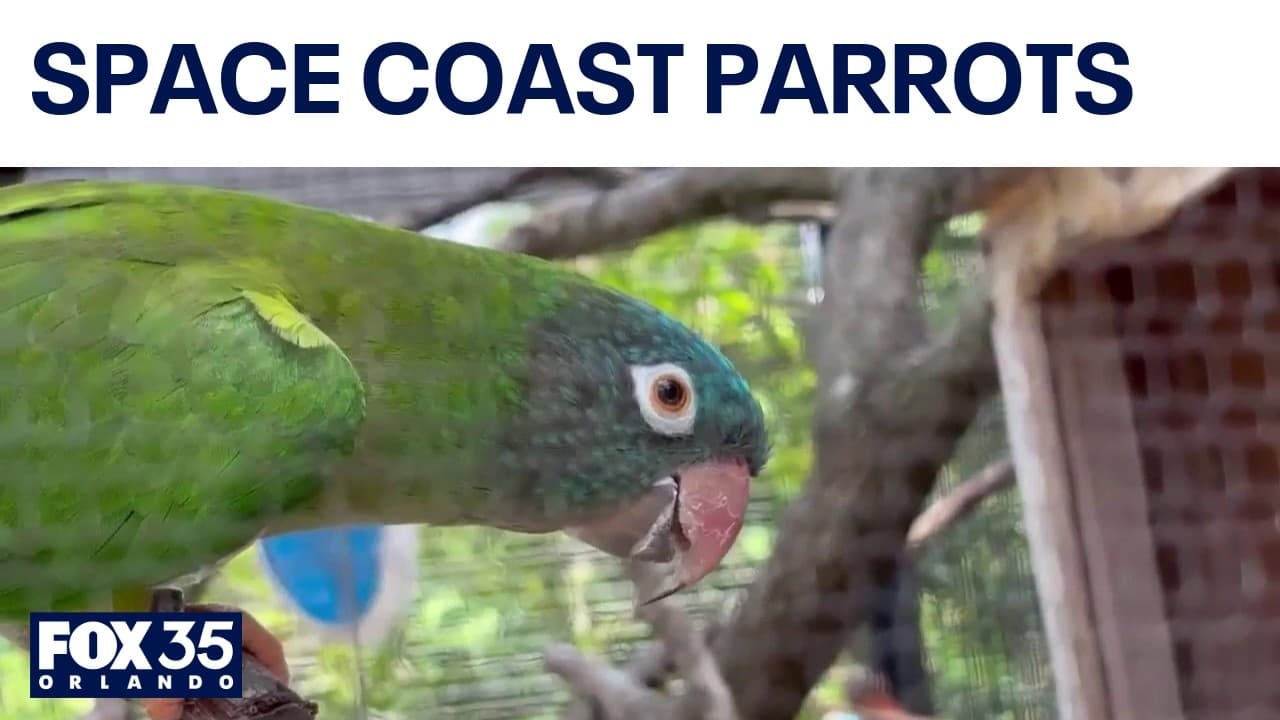
Bright blue and green parrots are turning up with growing regularity across Melbourne and the Space Coast, and birdwatchers are noticing the same pattern again and again: small, social groups moving together through urban neighborhoods. The birds are blue-crowned conures, also called blue-crowned parakeets, and their appearance near downtown Melbourne, along U.S. 1, Eau Gallie Boulevard and Wickham Road, and as far south as Palm Bay is giving local birders a front-row look at how adaptable parrots behave when they find the right conditions.
What stands out most is not just that the birds are present, but how quickly they seem to settle in. One resident described hearing a bird squawking loudly, then later spotting a pair cuddling and acting like mates. Brevard Zoo curator Nicole Payne said that once a few birds find one another and establish a colony, breeding can begin quickly if the environment suits them. That fits what eBird says about the species: blue-crowned parakeets are native to South American lowland dry forest and scrub, but they have also been introduced to urban areas in south Florida, California and Honolulu, Hawaii. They are often seen in small flocks and can travel long distances between roosting and feeding areas.
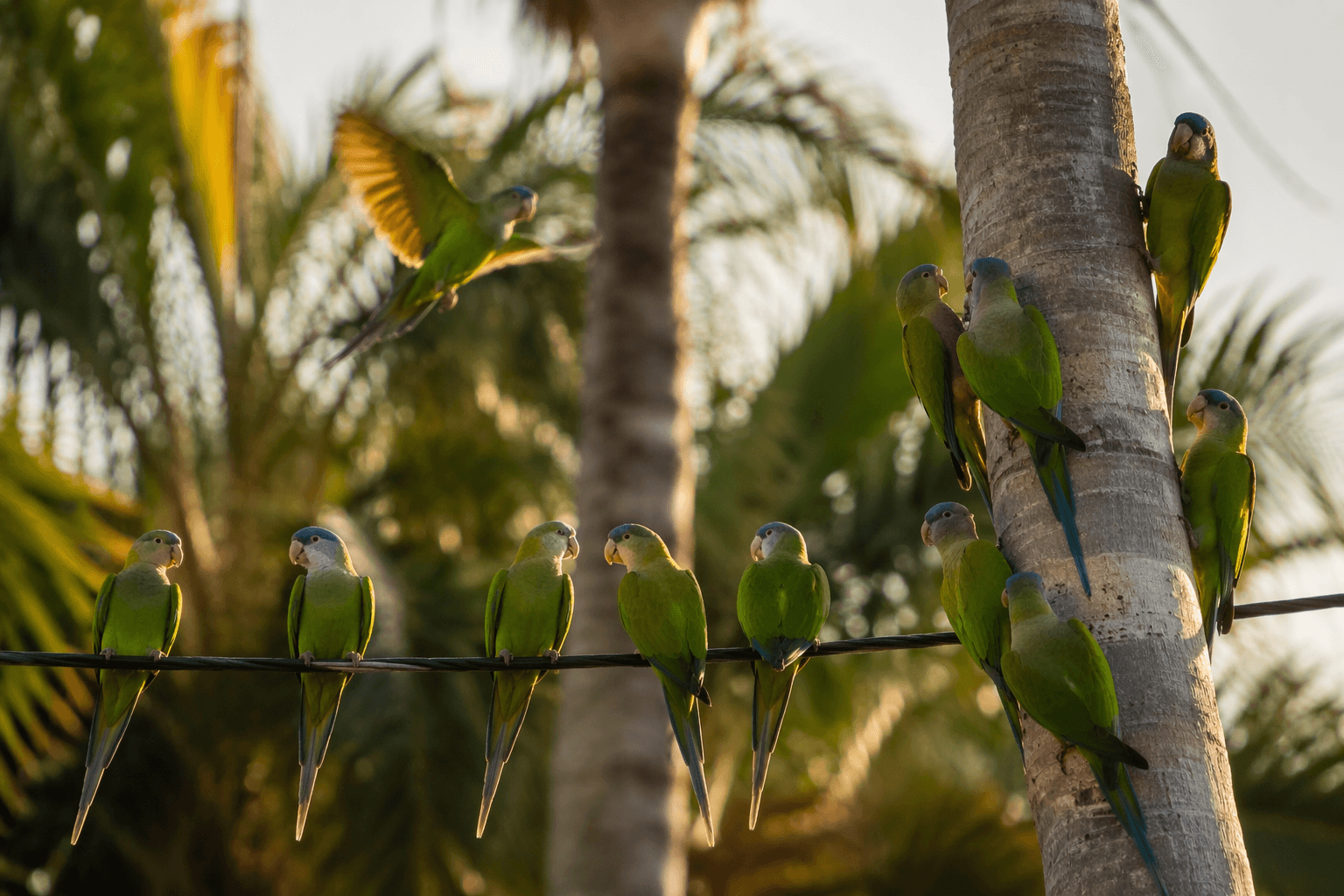
That mix of mobility and social behavior helps explain why they have persisted in Florida. These are intelligent, long-lived parrots that can live up to 40 years, which means they are built for survival and bonding, whether in a household or in a loose colony outdoors. Florida has seen this story before. During the 1986 to 1991 Florida Breeding Bird Atlas, breeding birds were documented statewide, and a journal article on feral parrots in the continental United States reported 17 species of breeding parrots in Florida during that period. Audubon has also noted that blue-crowned parakeets escaped captivity and established feral populations in several cities in southern Florida and coastal southern California.
That history makes the practical lesson hard to miss: a bird thriving outside does not mean a pet bird can safely live free. Escaped or released parrots may survive long enough to join a flock, but that outcome comes at a cost, both for the bird and for the people who lose track of it. Florida’s Fish and Wildlife Conservation Commission created the Exotic Pet Amnesty Program to reduce the number of exotic animals released into the wild, and it accepts birds, then works to rehome nonnative pets with qualified adopters. Its adoption categories include parrots, parakeets and conures.

Brevard Zoo’s own blue-crowned parakeet, Zippy, gives the species a familiar local face on North Wickham Road in Melbourne. In the wild, though, the birds now flying over the Space Coast are a reminder that a parrot’s flocking instinct, pairing behavior and ability to adapt can turn one escaped pet into part of a lasting urban colony.
This article was produced by Prism’s automated news system from verified source data, official records, and press releases, then run through automated quality and moderation checks before publishing. The system is built and supervised by the people who set the standards it runs under. Read our full AI policy.
Did this article answer your question?