Cayman Islands warns endemic parrots face poaching, habitat loss
Cayman’s two endemic parrots help regrow native forests, but poaching, habitat loss and hurricane hits have left both island populations fragile.
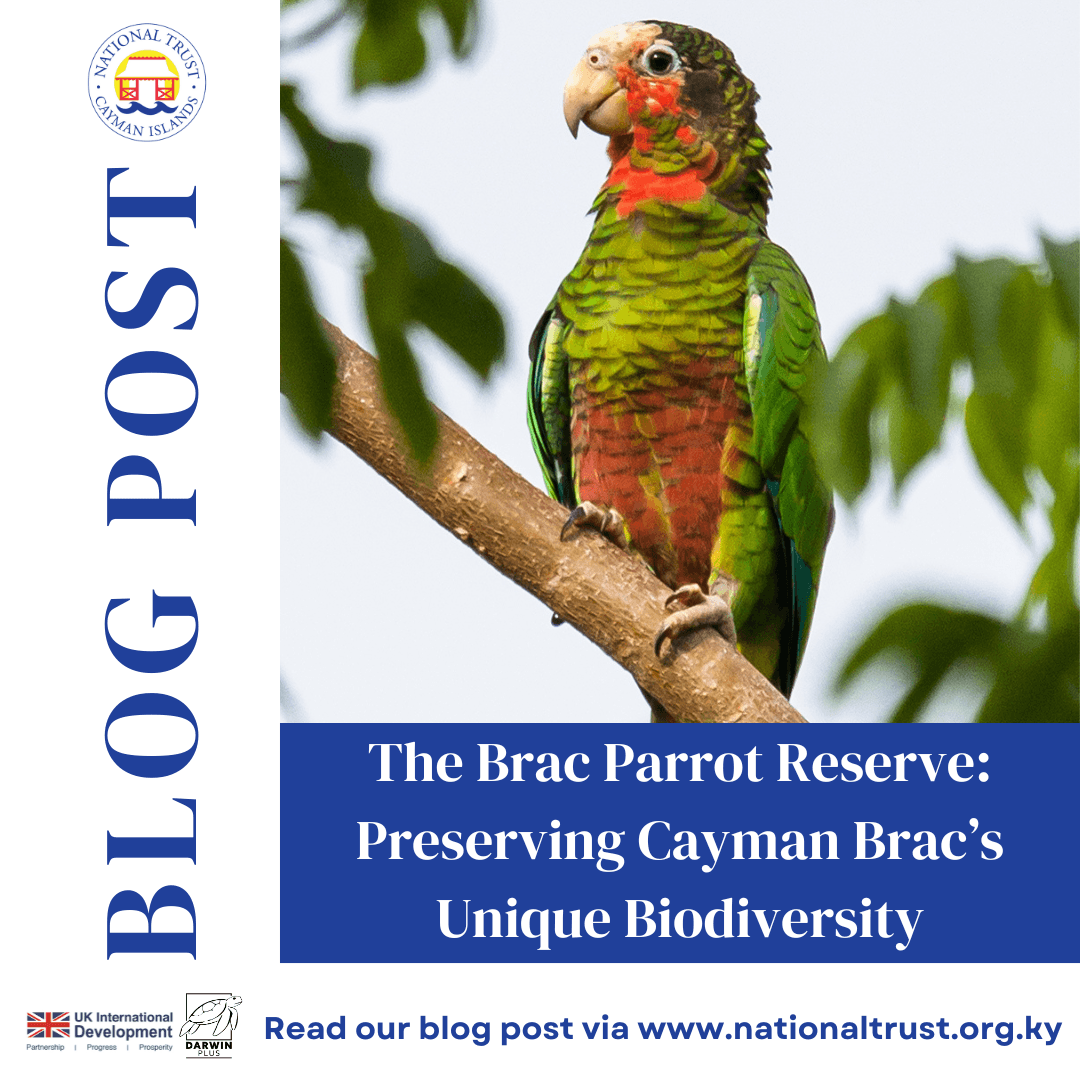
The Grand Cayman Parrot and the Cayman Brac Parrot do more than brighten Cayman Islands skies. As two endemic subspecies of Amazona leucocephala, they carry seeds across the islands, helping red birch, wild fig and cedar recover after storms while remaining tied to Caymanian art, folklore and national symbolism.
That ecological role is why their decline hits so hard. The same intelligence, long life and need for stable habitat that make parrots so prized by keepers also make wild losses slow to replace. The Cayman Islands Department of Environment said both birds remain critically low after Hurricane Ivan in September 2004 and Hurricane Paloma in November 2008, with poaching, invasive species and fragmented nesting and feeding sites still pressing on the population.
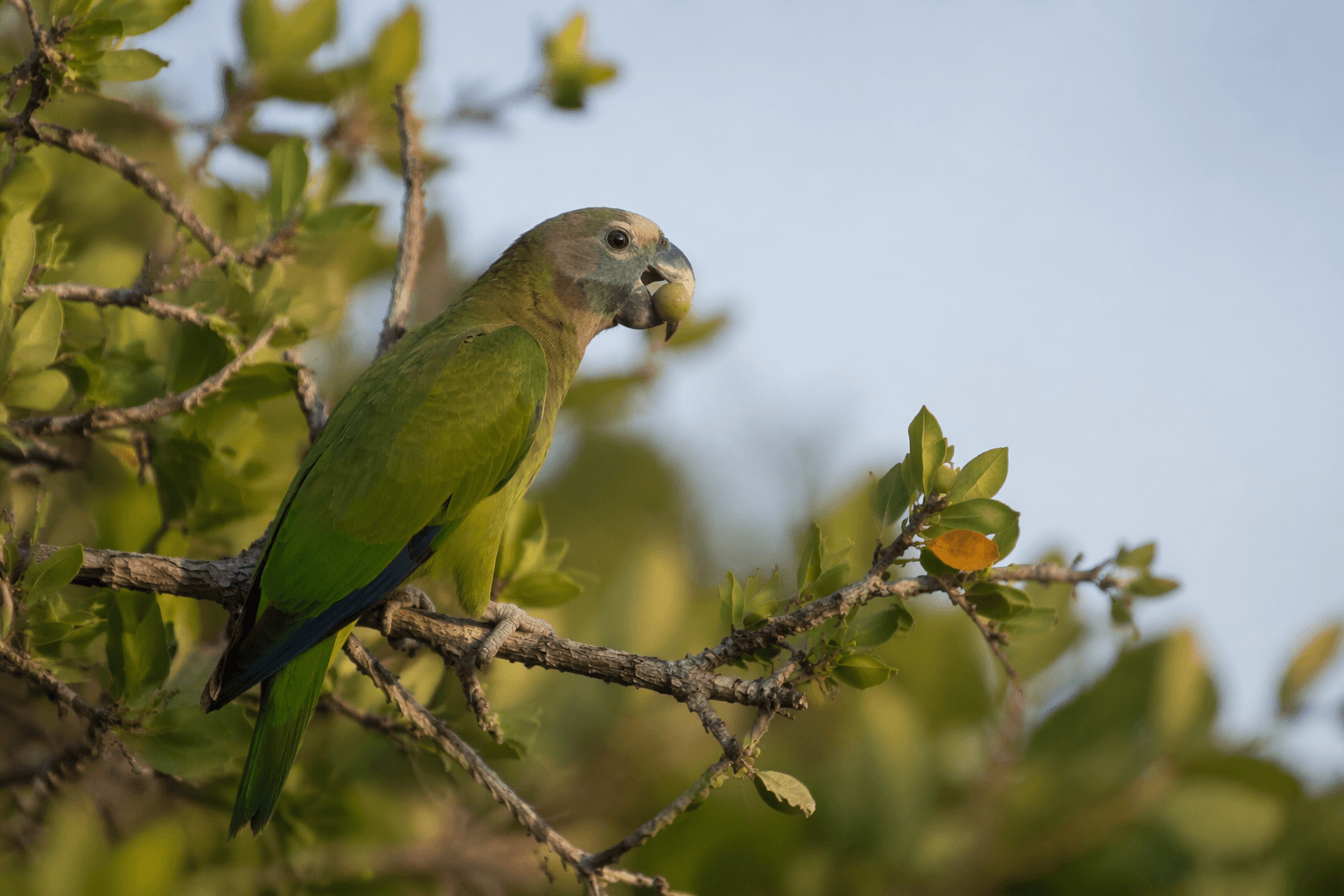
The numbers show how narrow the margin has become. The department put the Grand Cayman population at about 3,184 birds in 2023 and the Cayman Brac population at about 1,065 in 2024, while saying Grand Cayman has declined by more than half over the last decade. Earlier estimates in the same body of research put Grand Cayman at 6,557, plus or minus 925, in 2016 and Cayman Brac at 688, plus or minus 88, in 2017. A 2017 assessment found the parrots concentrated in fewer sites on both islands, likely because habitat loss and other disturbances had already reduced their resilience to hurricanes.
Protection has been in place, but the pressure has not disappeared. The Cayman Parrot is covered under the National Conservation Act of 2013 and was first listed as a game bird before getting full protection under the Animals Protection Regulations in 1989. In 2019, the department opened a six-month amnesty for residents keeping captive parrots, saying the move was needed to make enforcement against nest robbing and the illegal pet trade easier.

The newest department work adds another layer to the story: the first comprehensive genetic assessment of Cayman’s parrots, with attention to taxonomy, genetic diversity and inbreeding depression, especially on Cayman Brac. In a region where endemic parrots have already been hit hard by trapping, nestling collection and habitat loss, Cayman’s birds stand as both a cultural emblem and a test of whether the islands’ canopy can still hold them.
This article was produced by Prism’s automated news system from verified source data, official records, and press releases, then run through automated quality and moderation checks before publishing. The system is built and supervised by the people who set the standards it runs under. Read our full AI policy.
Did this article answer your question?