Climate Change and Habitat Loss Threaten Parrots Worldwide
The first climate warning for parrots is often a shift in food, breeding, or range, not a visible crash. For owners, that makes wild-parrot conservation feel uncomfortably close to home.

The first warning is a map problem
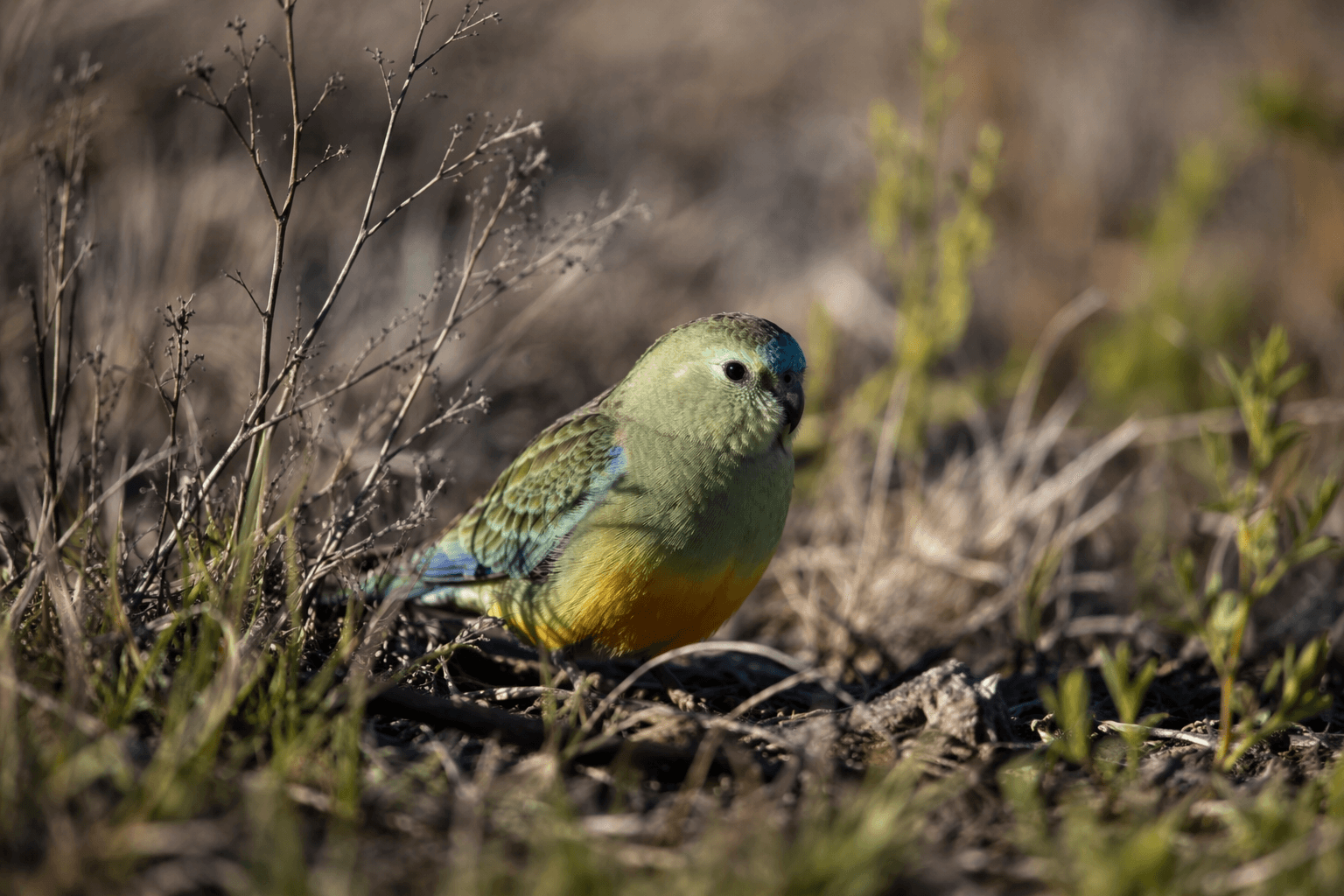
The western ground parrot is forcing conservationists to think differently: climate models are already being used to identify where it might still have suitable habitat and how translocation could work. That is the larger story behind the new global review of parrots. The danger is no longer just that forests disappear, but that the conditions parrots depend on, especially food timing, nesting windows, and local weather patterns, stop lining up in the right place.
What the global review says about parrots
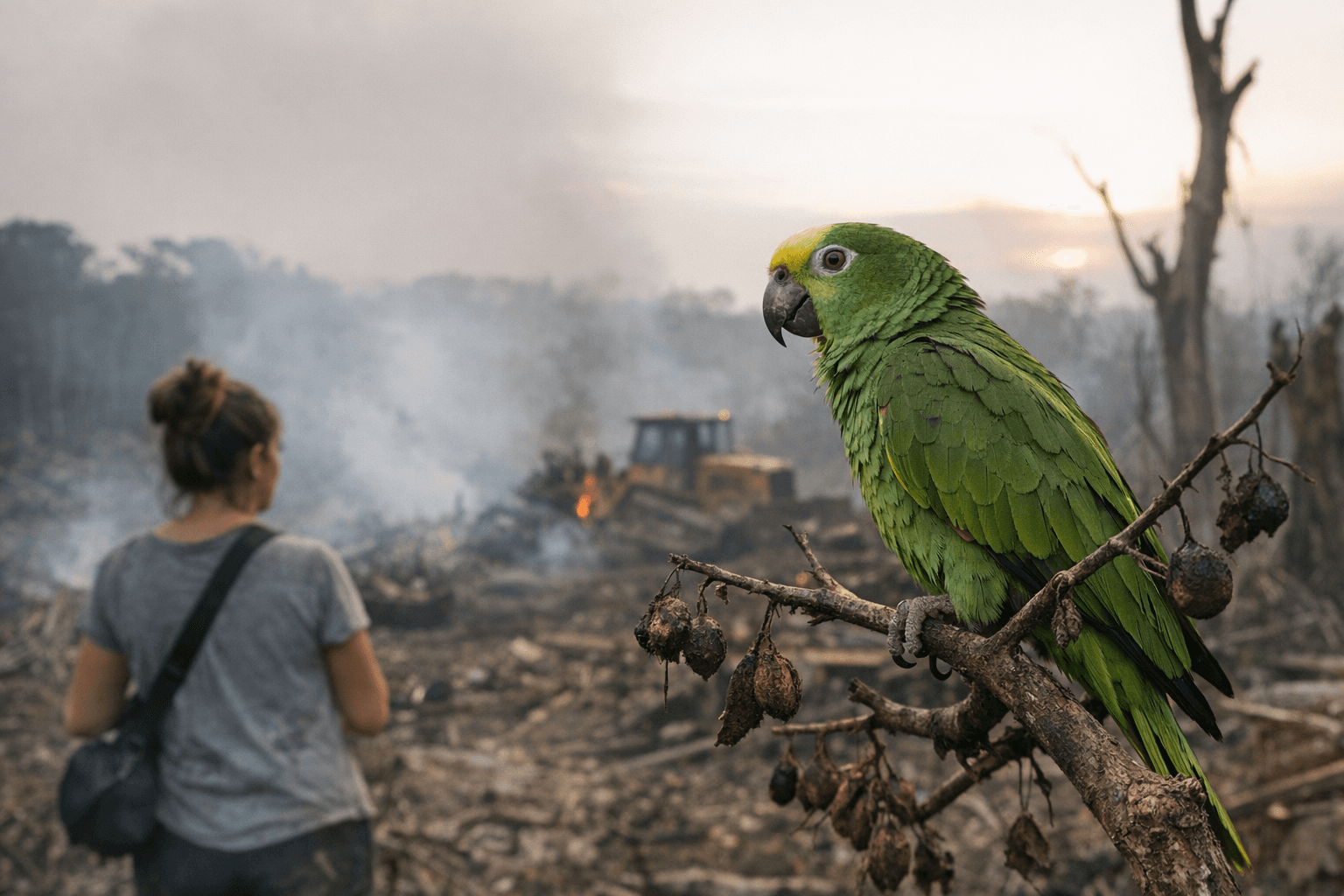
The review pulls together research published between 2000 and 2022 and reaches a clear conclusion: parrots are unusually vulnerable because so many species depend on specialized habitats and forest ecosystems. Habitat loss remains the predominant threat, but climate change is already influencing breeding and foraging behavior, which makes this a conservation problem with both ecological and behavioral edges.
That matters because parrots are not passive forest ornaments. They are highly social, behaviorally complex birds, and their survival depends on more than just a patch of trees. If a fruiting season shifts, if a nesting site becomes unreliable, or if rainfall patterns change the timing of food production, a parrot can feel the disruption before the decline shows up on a population chart.
Which parrots are most exposed first
The birds most likely to feel climate stress early are the ones with the narrowest ecological margins: species tied to specialized forests, local food resources, or tightly defined ranges. When a parrot can only use a certain habitat type, there is far less room to absorb heat, drought, or changing rainfall. That is why the review treats distribution as an open question for the future. Scientists still need a fuller picture of how climate change will reshape parrot range, physiology, and long-term survival.
The western ground parrot offers the clearest example of where the field is heading. Instead of waiting for a crash and then reacting, researchers are using species distribution models and climate projections to look for future suitable habitat in advance. That kind of planning is a sign that “where a bird lives now” is no longer enough. Managers have to think about where the right conditions will exist next.
For a species with strong dependence on a particular ecosystem, that shift can be startling. A parrot may not be losing habitat in the old sense alone. It may be losing the seasonal rhythm that made that habitat work.
Why the pressure stack is so hard to beat
Climate change is only one layer in the pile. In 2024, IUCN said parrots encompass nearly 400 species and face threats that include habitat loss and degradation, illegal and unsustainable wild bird trade, disease, invasive species, and climate change. That same picture is why all but four parrot species are listed on CITES appendices because of trade risk. For parrots, the wild world is already crowded with pressure.
The trade angle is especially important because conservation is not happening in a vacuum. CITES says its Trade Database is the most comprehensive official record of international wildlife trade and dates back to 1975. That long record matters: it gives conservationists a way to track how birds move through commerce over time, and it shows that wildlife trade is not a side issue. It is woven into the fate of many parrots.
BirdLife’s wider bird assessments make the pressure stack even clearer. In the latest annual update, climate change affected 37% of globally threatened bird species, while agriculture affected 73%, logging 50%, invasive alien species 43%, and hunting and trapping 41%. In the 2024 Red List update, 11 bird species were uplisted and 4 downlisted; in the 2025 update, 25 were uplisted and 7 downlisted. The message is hard to miss: climate is a major force, but it is arriving alongside older threats that are still more widespread.
Why companion-bird owners should care
If you live with a parrot, this global picture still lands close to home. The review keeps returning to timing, behavior, and environment, and that is exactly how parrots work in captivity too. They are birds that notice routine, and the wild story makes plain how sensitive their lives are to subtle changes before the obvious crisis arrives.
That is why the review feels so relevant to companion-bird care communities. The same family of birds that depends on a stable breeding cycle in the wild also depends on stability in the home environment. When the wild side of the story is about food timing, nesting opportunity, and stress layered on top of habitat pressure, it becomes easier to understand why parrots are often such sharp observers of change.
The takeaway is not only that wild parrots need protection. It is that parrots are a species group where small environmental shifts matter fast. Their sensitivity is part of what makes them so compelling, and part of what makes them vulnerable.
What conservation has to do now
The review argues for integrated action, not single-solution thinking. Habitat restoration is essential, but it has to be matched with ecological corridors so birds can move as conditions shift. Local resilience matters too, because parrots often live near human communities or in landscapes shaped by human land use decisions. Conservation will not succeed if it treats protected areas as isolated islands.
Community involvement is a central part of that strategy. In places where parrots overlap with farms, forests, and trade routes, the future of a species may depend as much on local participation as on formal protection. That is why the new IUCN SSC Wild Parrot Specialist Group matters: it reflects a conservation community trying to coordinate across regions, threats, and species before more birds are forced into crisis planning.
For parrots, climate change is not an abstract future. It is already changing the terms of survival, one habitat, one breeding season, and one food cycle at a time.
This article was produced by Prism’s automated news system from verified source data, official records, and press releases, then run through automated quality and moderation checks before publishing. The system is built and supervised by the people who set the standards it runs under. Read our full AI policy.
Did this article answer your question?