Cockatoo owner asks if constant tongue motion is normal
A cockatoo’s constant tongue motion can be nothing more than a quirk, but the same video can also capture an early illness clue. The difference is the bird’s full pattern of appetite, breathing, posture, and energy.
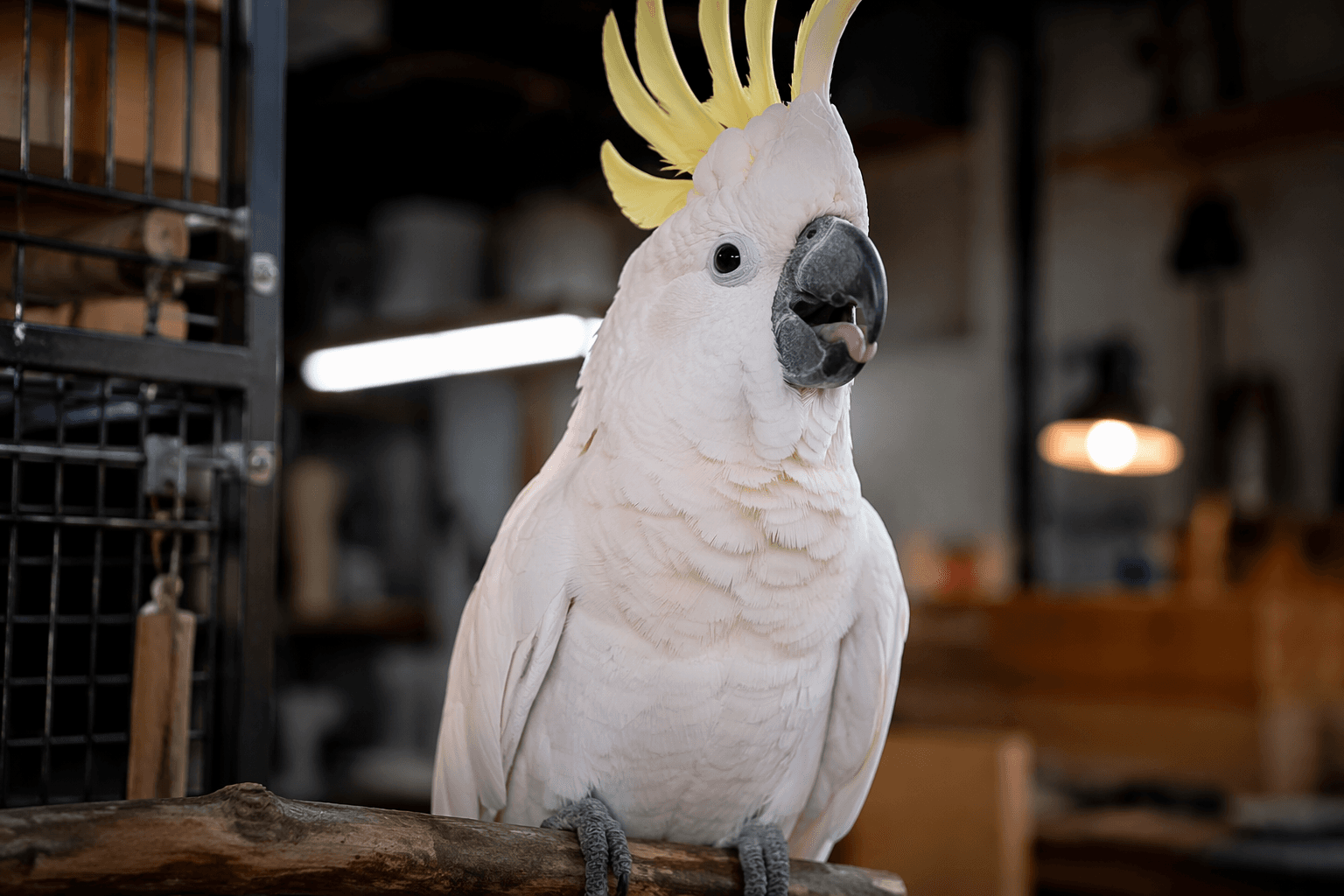
The cockatoo on screen is doing something small and strangely mesmerizing, working its tongue or saliva in a near-constant rhythm that is hard to ignore once you notice it. That kind of clip can send an owner spiraling because the motion looks subtle, yet it refuses to feel ordinary. In parrots, the question is never just “Is this weird?” It is “Is this bird telling me something?”
Why the video matters
A short video is often the best first step when a bird is acting in a way you cannot classify. Parrot owners live in that gray zone all the time, where a repetitive mouth movement could be a harmless personal habit, a comfort behavior, excitement, or the first visible sign of illness. The value of the clip is that it captures the behavior in context, which is exactly what avian veterinarians need when a bird’s symptoms are easy to miss in the moment.
That matters especially with cockatoos, because a repetitive tongue motion can look dramatic without being dangerous, or it can be one piece of a bigger problem. Birds are experts at hiding weakness. VCA Animal Hospitals notes that pet birds often do not show symptoms until they have already been sick for several days to weeks, and the Merck Veterinary Manual says birds can mask clinical signs until late in the disease process. In other words, what looks minor on camera may be the first visible clue that something is shifting underneath.
When it can be a harmless quirk
A constant tongue movement is not automatically a crisis. If the cockatoo is bright, alert, eating normally, breathing normally, and interacting as usual, the motion may be more like an odd personal habit than a medical warning. That is the key comparison lens: not the motion by itself, but the bird’s baseline and the rest of the body language around it.
At home, look at the whole bird, not just the beak. Is the cockatoo active and engaged, or sitting puffed and still? Is the bird taking food normally and finishing meals, or dropping interest in favorites? Is the breathing quiet and even, or is there tail bobbing, open-mouth breathing, or visible effort? A repetitive oral motion that stays isolated while everything else looks normal is far easier to watch than the same motion paired with changes in posture, appetite, or stamina.
When the same motion turns into a red flag
The same tongue or saliva motion becomes much more concerning when it appears with other changes. A bird that is fluffed, lethargic, eating less, or working harder to breathe deserves prompt attention from an avian veterinarian. The forum thread’s real lesson is that context matters, and veterinary guidance backs that up: any deviation from normal appearance or behavior should be treated as possible illness and discussed promptly with a veterinarian.
Breathing changes are especially important because respiratory disease is among the most common problems in pet birds. VCA lists a wide range of causes, including bacteria, viruses, fungi such as Aspergillus, Mycoplasma, Chlamydia, environmental irritants, and toxins. Overheated PTFE or Teflon cookware is another major danger, since the fumes can cause sudden death in birds. So if the tongue motion arrives alongside wheezing, tail bobbing, open-mouth breathing, or a generally strained look, it is no longer just a quirky mouth tic. It may be part of a respiratory problem.
Other warning signs raise the stakes quickly. VCA says critically weak, vomiting, disoriented, or bleeding birds may need hospitalization. Those are not symptoms to “watch overnight” if the bird is also showing a new repetitive oral motion. The point is not to panic at every tongue flick, but to notice when the bird’s behavior stops looking isolated and starts looking systemic.
What to watch at home
Before making the call, compare the bird against its normal self. A useful home check is simple and practical:
- Appetite: Is the cockatoo eating and drinking normally?
- Breathing: Is it quiet, effortless, and closed-mouth, or does it look labored?
- Posture: Is the bird upright and alert, or fluffed and withdrawn?
- Energy: Is it moving, climbing, vocalizing, and engaging as usual?
- Droppings: Have they changed in amount, color, or texture?
- Mouth and face: Is there visible irritation, discharge, or unusual head movement?
If the bird is otherwise bright and active, the motion may be one odd behavior among many normal ones. If the motion is paired with reduced appetite, tail bobbing, open-mouth breathing, or lethargy, the interpretation changes fast.
What to capture before you call the vet
The best evidence is the kind that helps an avian vet compare today’s behavior against the bird’s normal baseline. Keep the video if you have it, and if possible take another one in better light that shows the bird’s posture, breathing, and whole body, not just the face. Merck also notes that photos or videos of the cage setup and recent droppings can help with history-taking when appropriate, because the environment and droppings often tell part of the story.
It also helps to be ready with practical details: how long the tongue motion has been happening, whether it is truly constant or comes and goes, whether it changes during eating or excitement, and whether anything in the bird’s routine has changed. For a newly acquired bird, that record is even more important. VCA recommends that newly acquired birds be examined by an avian veterinarian within the first couple of days after purchase or adoption, and that all birds receive annual veterinary examinations. Those visits create the baseline that makes a strange little motion easier to judge later.
Why the small stuff deserves respect
A tongue movement that looks almost too small to matter can still be the first clue a bird offers. Birds do not give warnings in the same blunt way dogs or cats sometimes do, and that is why the camera clip from the cockatoo owner feels so familiar to so many parrot people. It captures the central dilemma of bird keeping: the tiniest habit can be nothing at all, or it can be the moment a bird starts asking for help.
That is why the safest reading is never to dismiss the motion outright, but to place it in the bird’s full pattern of breathing, appetite, posture, and energy. The video may show a quirk. It may also show the first piece of a problem. In parrots, those are often the same frame.
This article was produced by Prism’s automated news system from verified source data, official records, and press releases, then run through automated quality and moderation checks before publishing. The system is built and supervised by the people who set the standards it runs under. Read our full AI policy.
Did this article answer your question?