Cockatoo Tango demands dad's attention, highlights high-maintenance care
Tango, a pink cockatoo in Australia, turned dad’s phone time into a full-on bob-and-scream routine, a vivid reminder of how much attention cockatoos need.
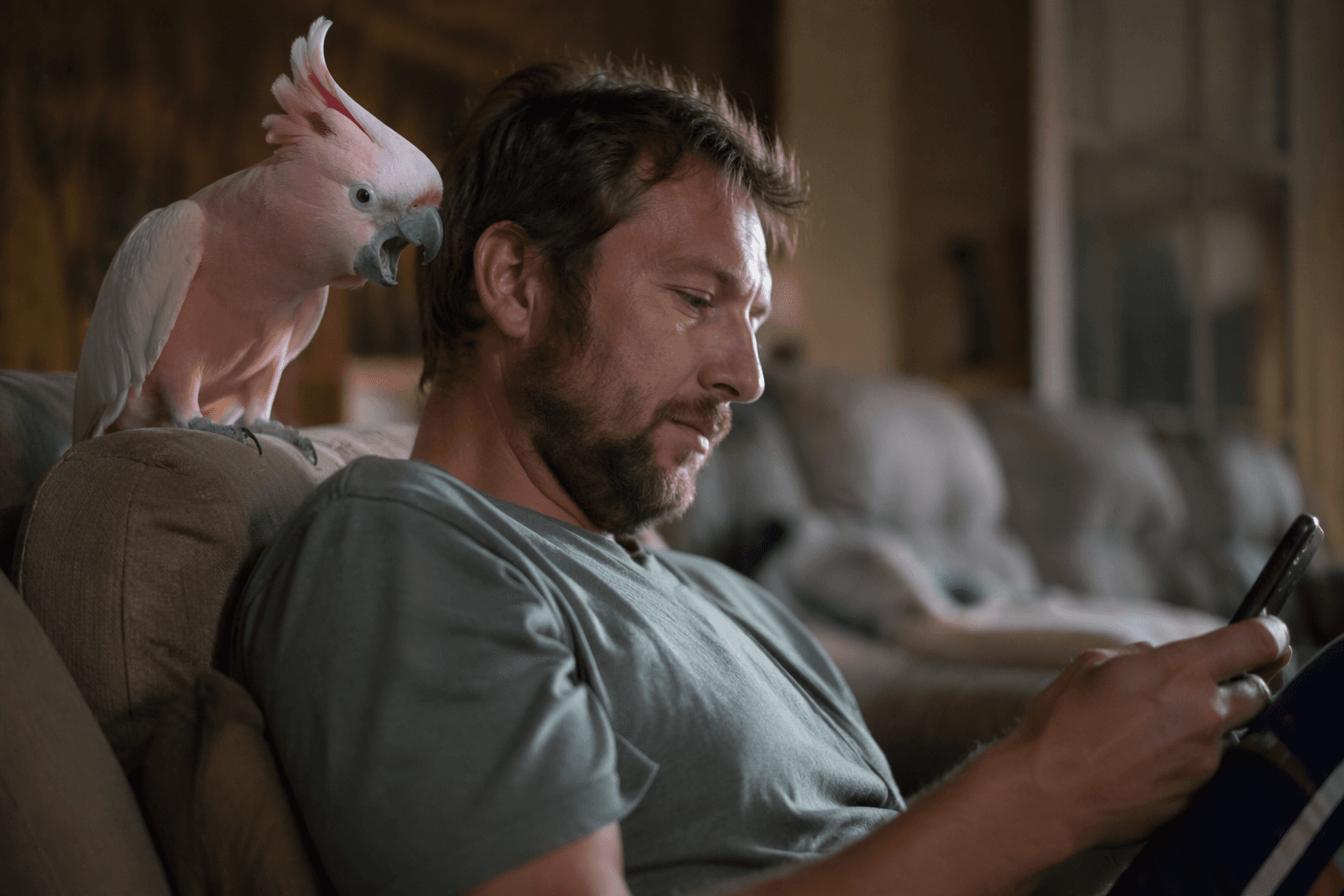
Tango did not let dad have a quiet moment with his phone. In a June 23 story, the pink cockatoo in Australia stole the scene with a dramatic back-and-forth bob and a loud demand for attention, turning an ordinary break into full cockatoo theater.
The clip works because it feels so familiar to anyone who has lived with a smart, social parrot that wants the room centered on itself. Tango’s behavior was funny, but it also matched what veterinary sources say about cockatoos: they are high-maintenance birds that need a lot of time outside their cages, and when they do not get enough interaction they can become boisterous and destructive.
VCA Animal Hospitals says cockatoos can chew furniture, walls, and other household items if their needs are not met. The MSD Veterinary Manual adds that birds can get lonely, and under-stimulation can lead to biting, screaming, or feather-pulling. Put together, that makes Tango’s attention bid look less like a one-off gag and more like a snapshot of a species that pushes hard when it feels shut out.
For owners, that means the answer is not to let every scream set the schedule. Cockatoos need daily time, physical affection, and engagement built into the day, because interaction is not a bonus with this species, it is part of the baseline. Tango’s performance shows why ignoring a bird’s social needs often backfires, while rewarding calm, planned contact gives the bird a better script to follow.
The intelligence behind that kind of insistence is not just anecdotal. In 2021, researchers led by Barbara Klump and Lucy Aplin reported in Science that cockatoos in Sydney learned to open garbage bins by copying one another, a case of social learning that the Australian Museum highlighted alongside John Martin and Richard Major. That behavior spread through observation, not isolation, and it helped explain why cockatoos pick up habits so quickly in flocks and households alike.
Tango’s phone-side protest landed because it captured both sides of cockatoo life in one short scene: the chaos of a bird who will not be ignored, and the charm of a companion that can be deeply affectionate, playful, and intensely social when its needs are met. The joke was dad’s interrupted phone time, but the bigger story was a cockatoo acting exactly like a cockatoo that knows how to get noticed.
This article was produced by Prism’s automated news system from verified source data, official records, and press releases, then run through automated quality and moderation checks before publishing. The system is built and supervised by the people who set the standards it runs under. Read our full AI policy.
Know something we missed? Have a correction or additional information?
Submit a Tip