Disabled kea parrot dominates flock with novel beak jousting style
Bruce lost his upper beak, then outplayed the flock anyway, winning every male clash and turning disability into a social advantage.
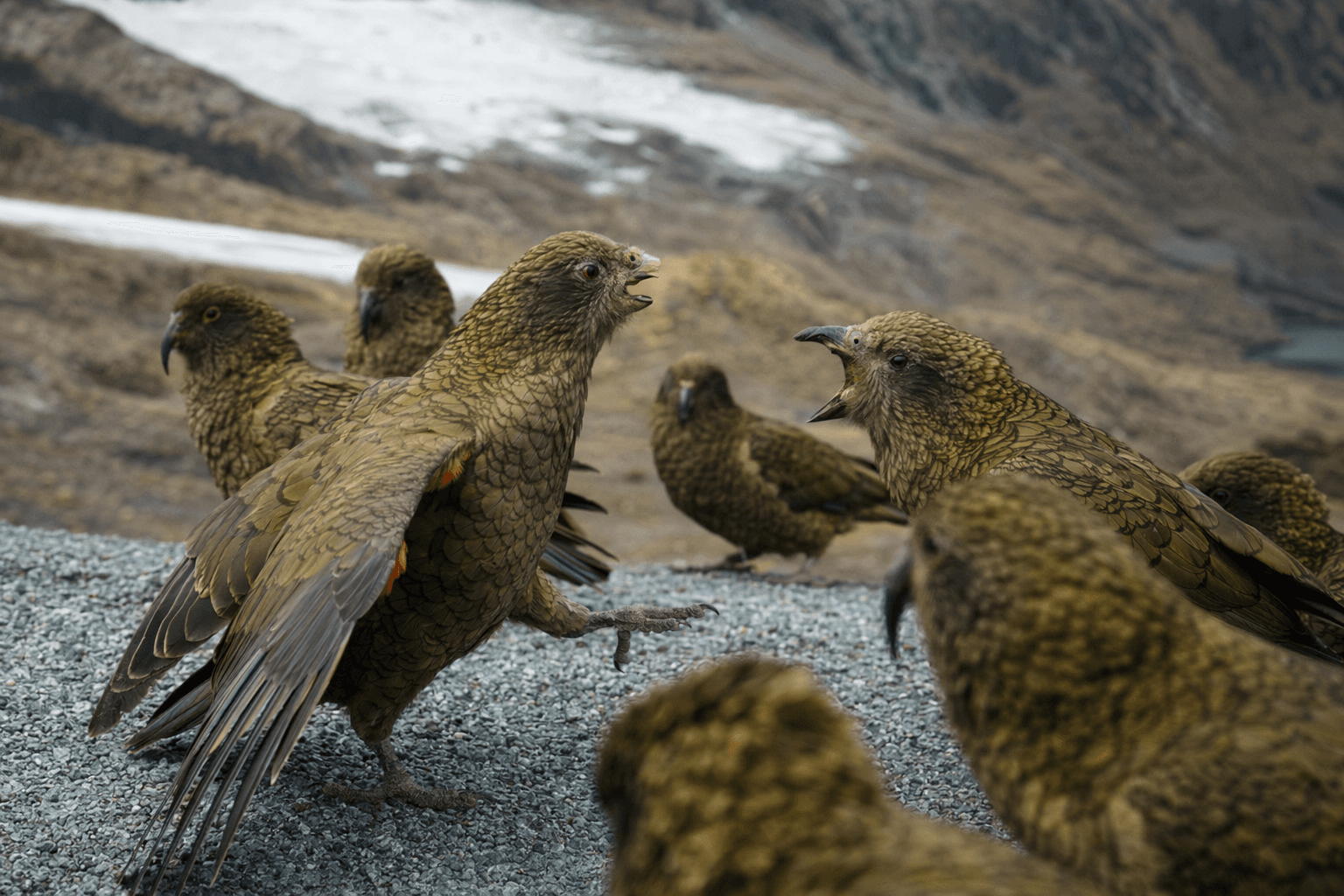
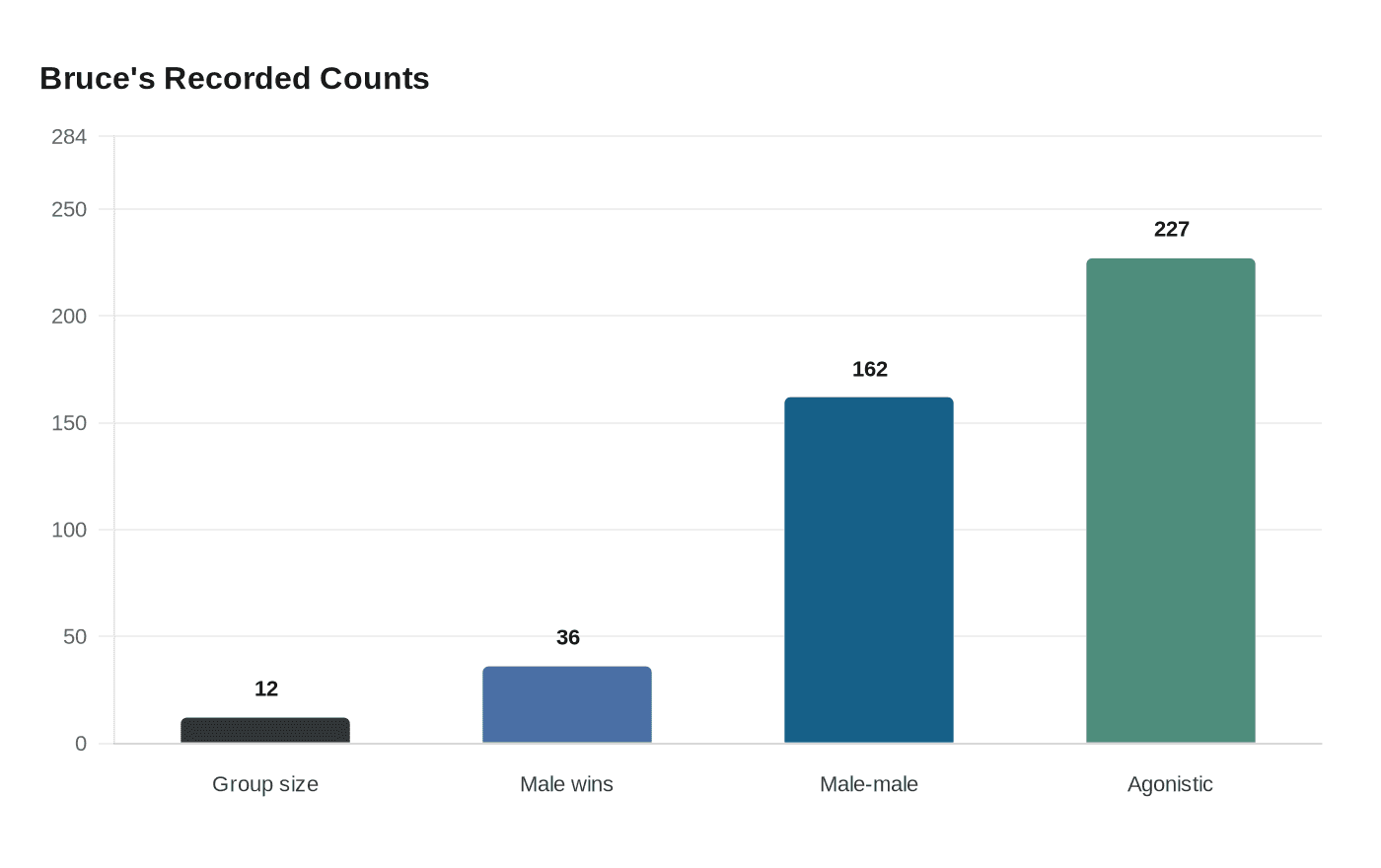
Bruce does not just survive without an upper beak. He rules. In a group of 12 kea at Willowbank Wildlife Reserve near Christchurch, the disabled male won every one of his 36 recorded male interactions and came out on top in all 162 male-male encounters observed, a streak that researchers say made him the flock’s alpha.
The surprise is not only that Bruce held his ground. It is how he did it. The University of Canterbury team, working with the Institut de Neurociències of the Universitat Autònoma de Barcelona, recorded 227 agonistic interactions, along with feeding-station behavior and preening bouts, and collected droppings to measure corticosterone. Bruce, the only disabled bird in the group, used a novel close-range jousting style: he extended his neck and lunged forward, turning his sharp lower beak into a spear. In 73% of cases, that move pushed opponents away immediately. “Bruce is the alpha male of his group,” Alexander Grabham said in earlier reporting on the same study, and the new data backed up that blunt assessment.
The bird’s story began in the mountains of the South Island of New Zealand in 2013, when he was found and taken to Willowbank because his missing upper beak meant captivity was thought to give him a better chance of survival. He was first mistaken for a female and named Kati until genetic testing showed he was male. By the time the 2026 paper reached Current Biology, the picture was even clearer: Bruce had sole access to food at feeding time, other kea waited until he finished, and he registered the lowest corticosterone level in the group despite sitting at the top of the hierarchy.
That combination matters far beyond one unusually tough kea. Kea are already known as intelligent, complex, playful alpine parrots, but Bruce shows how a body difference can produce a different social strategy rather than defeat. The researchers, led by postdoctoral scientist Dr Alex Grabham with Professor Ximena Nelson and Professor Alex Taylor, called his case the first known example of a disabled animal of any species individually reaching and maintaining alpha-male status on its own, without allies, through behavioural innovation.
Bruce had already shown the same inventive streak in 2021, when a Scientific Reports paper documented him using pebbles as tools to preen himself. Taken together, the two studies make one point hard to miss: disabled companion parrots can adapt in ways that would be easy to overlook if owners only measured them against an ideal body instead of watching what they actually do.
This article was produced by Prism’s automated news system from verified source data, official records, and press releases, then run through automated quality and moderation checks before publishing. The system is built and supervised by the people who set the standards it runs under. Read our full AI policy.
Did this article answer your question?