Phoenix Landing talk explores how parrot species are classified for extinction risk
A Phoenix Landing talk turns parrot conservation into a living-room issue: species status shapes rescue pressure, captive-breeding ethics, and what birds stay available.
When conservation status reaches the cage door
A parrot’s place on a conservation list can seem far away from the food bowls, toys, and daily mess of home life, but the link is real. When nearly one-third of about 400 parrot species are considered threatened with extinction, the category attached to a bird in the wild can ripple into rescue intake, legal trade, breeding decisions, and the kinds of parrots people choose to bring home.
That is the deeper value of Phoenix Landing Foundation’s talk with José Antonio Díaz Luque. It is not just a lecture about wild birds. It is a reminder that the choices made by conservation experts eventually shape the realities companion parrot owners live with every day.
How the Red List turns risk into categories
The International Union for Conservation of Nature created the Red List in 1964, and it now describes itself as the world’s most comprehensive source on global extinction risk. Its system is more precise than a simple label like “safe” or “in danger.” Species are sorted into nine categories: Extinct, Extinct in the Wild, Critically Endangered, Endangered, Vulnerable, Near Threatened, Least Concern, Data Deficient, and Not Evaluated.
The key point for parrot keepers is that Vulnerable, Endangered, and Critically Endangered are treated as threatened with extinction. That matters because once a species enters one of those categories, the conversation changes. Conservation groups, zoos, breeders, rescues, and policymakers stop asking only whether a bird is popular and start asking whether the population can withstand pressure.
For everyday guardians, that science-backed classification is the difference between a vague sense that a bird is “doing okay” and a specific understanding of how much margin the species actually has left.
Why this belongs in a companion parrot conversation
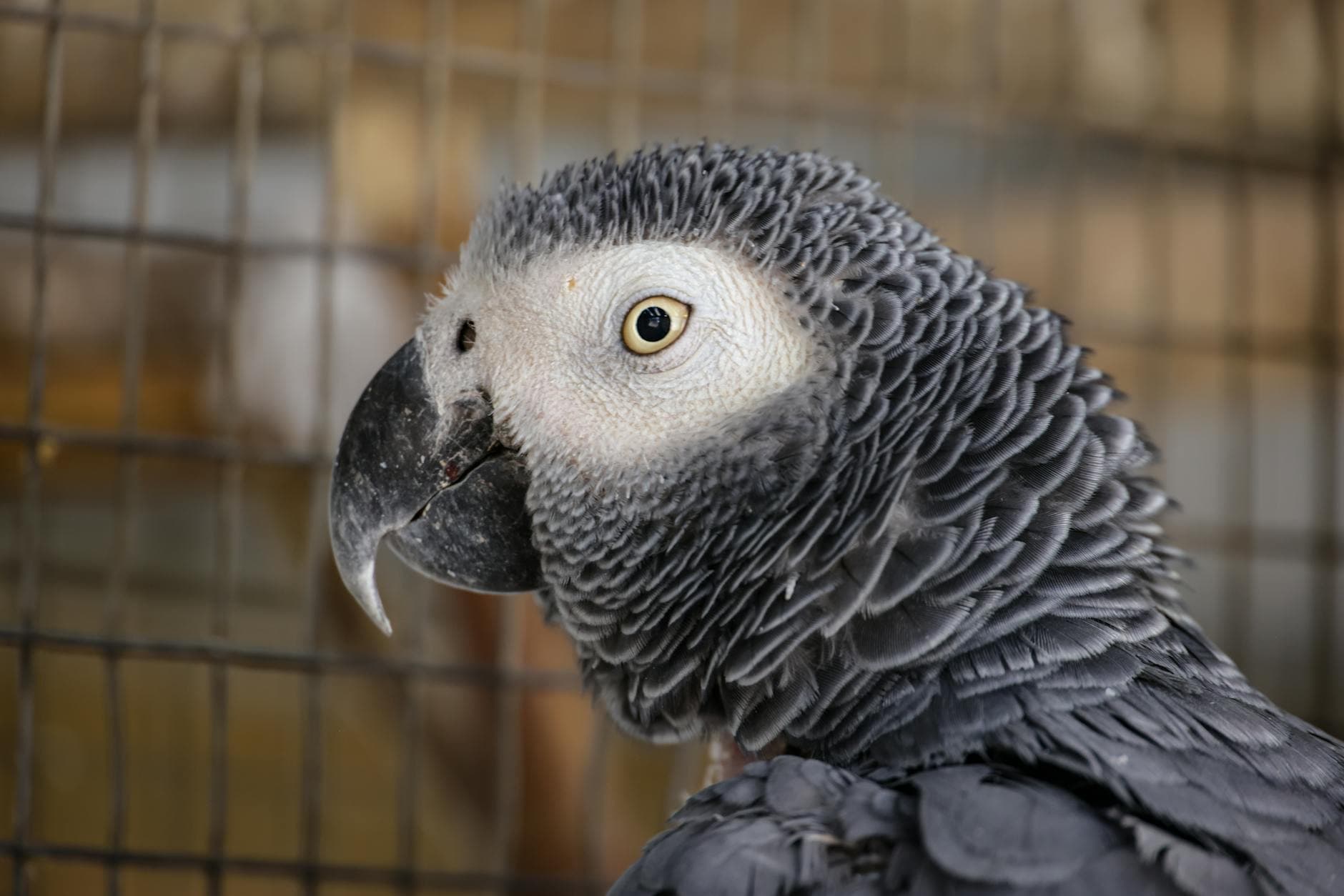
If you have ever followed the journey of familiar species such as African greys or macaws, you have already seen how conservation pressure and pet ownership overlap. Availability can tighten, rescues can become saturated, and the ethics around sourcing a bird become much harder to ignore when the species’ wild future is uncertain.
That is why the notes around this talk emphasize that species status is not a decorative label. It is a science-based assessment that can shape public awareness, rescue priorities, legal trade, captive population planning, and the long-term husbandry questions responsible keepers should be following. In practical terms, the bird on your perch is connected to much bigger systems: what happens in the wild, what happens in trade, and what happens when a species becomes rare enough that every decision about breeding or placement starts to matter more.
The April 3, 2025 IUCN Red List update put that bigger system into perspective. At that point, the database included 169,420 species, with 47,187 threatened species. Parrots are one group inside that vast accounting of life, but they are a highly visible one, and their status tends to influence how the wider bird world thinks about responsibility.
What the new Wild Parrot Specialist Group is trying to do
The IUCN SSC Wild Parrot Specialist Group was created in May 2024, and José Antonio Díaz Luque is listed as co-chair. The group was introduced as a broad international effort to assess, monitor, and coordinate conservation action for wild parrots, with work grounded in the best available science.
The threats it highlights are the same pressures that keep showing up in conservation stories around the world: habitat loss and degradation, illegal and unsustainable wild bird trade, disease, invasive species, and climate change. That list explains why parrot conservation cannot be reduced to one issue or one country. A species may face a habitat problem in one part of its range, trade pressure in another, and disease risk somewhere else entirely.
The group’s work also underscores how closely parrots are tied to international oversight. According to the IUCN story about the group, all but four parrot species are listed on CITES appendices. For anyone who keeps parrots, rescues parrots, or follows parrot rescue networks, that is a major signal: these birds are already part of a tightly watched global conversation about trade and conservation.
What Phoenix Landing is doing with this conversation
Phoenix Landing Foundation’s programming is built to keep owners learning long after the first bird comes home. Its online events are largely held on Zoom, with a live event each month and recorded events sometimes posted later. It also offers self-paced core classes that cover health, safety, behavior, nutrition, and enrichment.
That matters because parrot care and parrot conservation are not separate lanes. The same guardian learning how to improve enrichment or build a healthier diet is also learning how to make a bird more stable, less stressed, and less likely to become a casualty of poor planning. In a rescue-heavy world, that kind of education affects whether a bird stays in a home, returns to a shelter, or becomes another case of rehoming strain.
This is where Phoenix Landing’s educational mission makes sense. A talk with a conservation specialist fits naturally alongside the organization’s practical classes, because good companion-bird care depends on understanding the bird as more than a pet. It is a species with a wild population, a trade history, and a future that may depend on decisions made far outside the living room.
The real takeaway for parrot keepers
The most useful way to think about this talk is simple: the conservation status of a parrot species can eventually affect the bird you can adopt, the rescue calls that come in, the ethics of captive breeding, and the long-term choices the community makes about which birds to support. A Red List category may look abstract at first, but it becomes concrete the moment it changes what is available, what is protected, and what responsibility comes with ownership.
That is why a conversation led by José Antonio Díaz Luque matters to companion parrot owners, not just to field biologists. It connects daily care to global survival, and it reminds the parrot world that keeping birds well in the home is only one part of keeping parrots in the world.
This article was produced by Prism’s automated news system from verified source data, official records, and press releases, then run through automated quality and moderation checks before publishing. The system is built and supervised by the people who set the standards it runs under. Read our full AI policy.
Did this article answer your question?