How to Tell Normal Parrot Molting from Feather Problems
A messy molt can look alarming, but the pattern tells the story. Learn the home checks that separate normal shedding from feather plucking and the red flags that need an avian vet.
Start with the pattern, not the panic
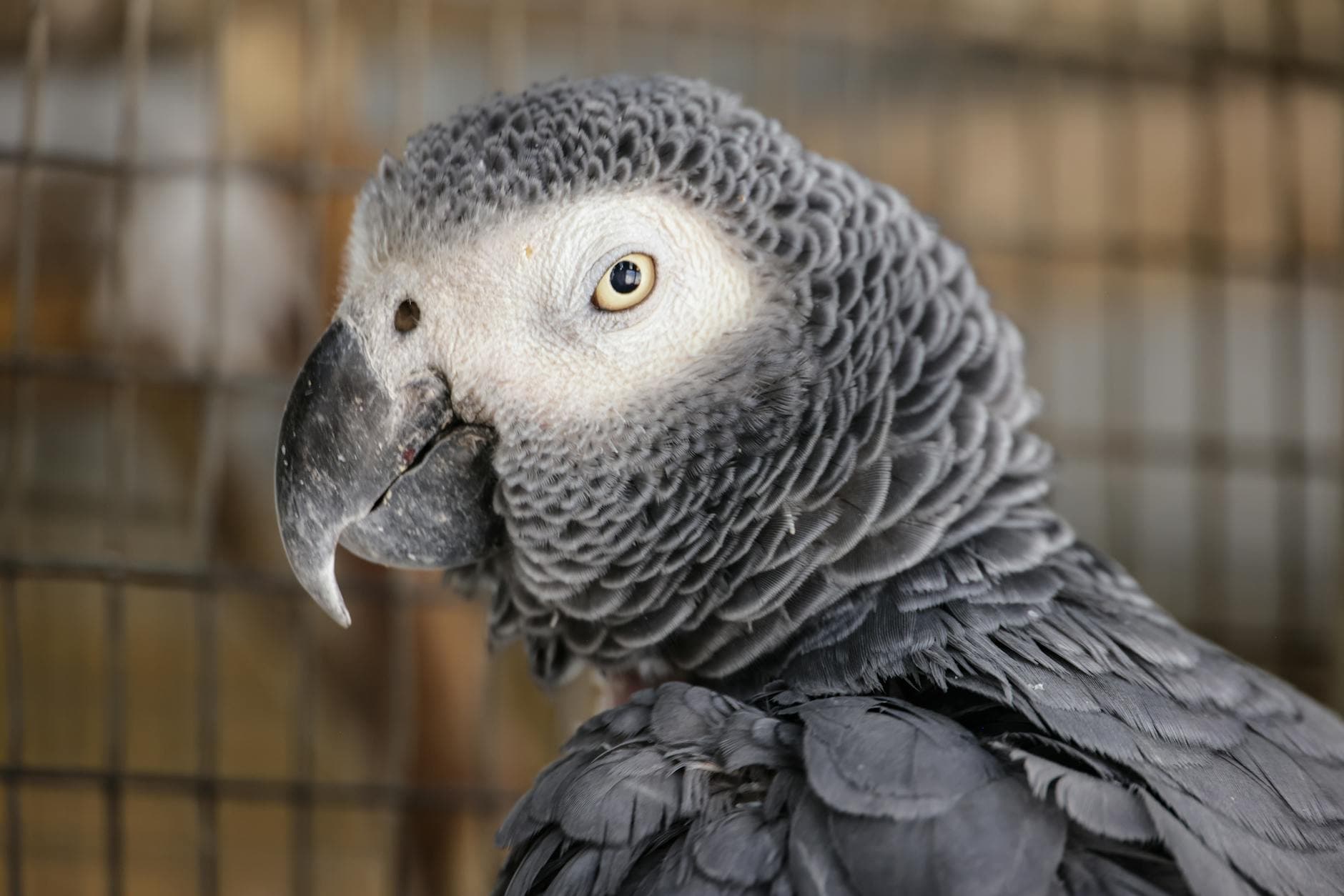
The fastest way to sort a normal molt from a feather problem is to look at the pattern of loss. A healthy molt is the bird replacing old feathers with new ones on a regular cycle, and MSD Veterinary Manual notes that most birds do this at least once a year, with some species having a partial molt about 6 months later. In North America, many species start their major molt around mid-February and finish about a month later, while South American parrots often skip the fall molt and some Old World parrots, especially cockatiels, may drop feathers in early September.
That timing matters because a bird in molt can look dramatic without being in trouble. Pin feathers, down on the cage floor, and a scruffier look can all be part of normal regrowth. The question is not, “Is there feather loss?” The question is, “Does this feather loss fit the bird’s usual cycle and does the bird otherwise seem normal?”
What a normal molt usually looks like
A normal molt tends to be temporary, seasonal, and spread out rather than patchy and destructive. You may see pin feathers coming in, some broken feathers, and a little more debris around the cage, but the skin should not be getting chewed up and the bird should not be obsessively pulling at itself. The bird may be a little itchy or sensitive, but the overall picture is still a bird that is eating, moving, and behaving like itself.
- New pin feathers growing in where older feathers have dropped out
- Feathers shedding in a broader pattern instead of one bald spot
- A bird that is otherwise bright, interactive, and not focused on one body area
- A messy cage floor, but no injured skin
When you check at home, look for these signs of ordinary molt:
That is the part anxious owners often miss. Molt is supposed to look inconvenient. It is not supposed to look like a skin injury.
When feather loss starts to look like feather plucking
Feather destructive behavior is not a disease by itself. It is a symptom, and MSD Veterinary Manual describes it as ranging from mild overpreening to self-mutilation of feathers and skin. That symptom can come from true medical causes or psychological causes, which is why it should never be brushed off as “just a bad molt” if the pattern does not fit.
Veterinary references tie feather problems to systemic illness, skin inflammation and infection, cancer, malnutrition, and toxin exposure. They also link them to stress, boredom, sexual frustration, territoriality, compulsive behavior, predator stress from household pets, and lack of parental training for preening. In plain terms, if your bird is not simply shedding but is focused on a specific spot, breaking feathers, or chewing at the skin, you are no longer looking at routine molting.
A normal molt changes the plumage. Feather plucking changes the bird’s body language.
The red flags that mean call an avian vet now
This is the point where you stop waiting for the cycle to sort itself out. If feather loss is paired with skin irritation, broken skin, bleeding, or clear self-mutilation, that needs an avian vet right away. The same goes for feather loss that does not match the bird’s normal seasonal pattern, especially if the bird seems unwell or the loss is centered in one area rather than spread through the plumage.
- Bald patches that are getting larger instead of filling in
- Skin that looks red, sore, or damaged
- Repeated chewing, picking, or overpreening in the same spot
- Feather loss that does not line up with the bird’s usual molt timing
- Any sign that the bird is harming the skin, not just the feathers
Red flags to take seriously include:
The reason for urgency is simple: feather loss can be the first visible clue to a deeper problem. Merck Veterinary Manual notes that skin and feather disorders are among the most common health problems seen in pet birds, and loss of feathers can signal either a local disorder or a system-wide disease. Once the skin is involved, this is no longer a cosmetic issue.
Why this problem shows up so often in companion birds
If feather plucking feels common, that is because it is. A nationwide Japanese survey of pet psittacine birds collected 2,331 valid responses and found feather-damaging behavior in 11.7% of birds. Veterinary sources also describe feather plucking as one of the most common and frustrating reasons captive parrots are brought in for care.
There is also a bigger shift in the pet bird world behind that number. Merck notes that mass importation of wild-caught psittacines was curtailed in the mid-1980s, and today’s pet bird population is primarily captive-bred. That has changed the health and behavior picture in ways owners feel every day, especially when stress, boredom, household dynamics, or poor early training show up in the feathers.
What you can do at home while you sort it out
You do not solve feather problems by guessing, and you definitely do not solve them with cosmetic fixes alone. The useful first step is to watch the pattern closely and write down what you see. If the bird is in a normal molt, you should see new growth coming in and the general mess should pass. If the loss is escalating, the skin is changing, or the bird is zeroing in on one spot, that is the clue to get help.
A practical home check: 1. Look at where the feathers are missing. 2. Check whether pin feathers are coming in. 3. Watch whether the bird is otherwise acting normal. 4. Think about stressors, including boredom and household pets. 5. If the pattern does not fit a normal molt, book an avian vet visit.
That simple habit can save time, money, and a lot of worry. Feather literacy is not about memorizing bird biology. It is about learning when a messy molt is normal and when your bird is telling you something is wrong.
This article was produced by Prism’s automated news system from verified source data, official records, and press releases, then run through automated quality and moderation checks before publishing. The system is built and supervised by the people who set the standards it runs under. Read our full AI policy.
Did this article answer your question?