Dutch Authorities Seize 261 Parrot Eggs at Schiphol as Chick Hatches Mid-Inspection
A chick began hatching mid-inspection as Dutch customs officers unwrapped 261 suspected wild parrot eggs from T-shirts in a traveller's carry-on at Schiphol.
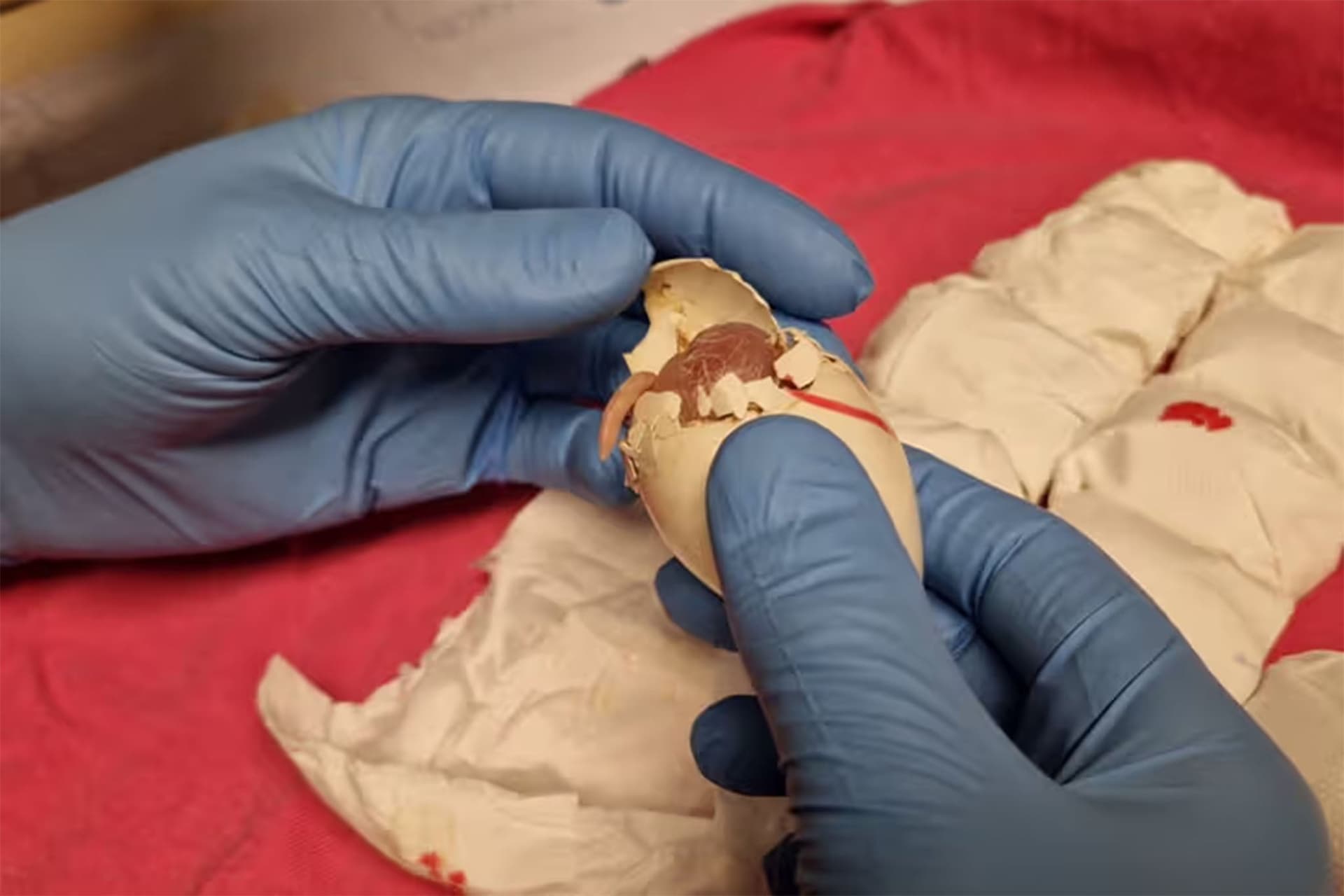
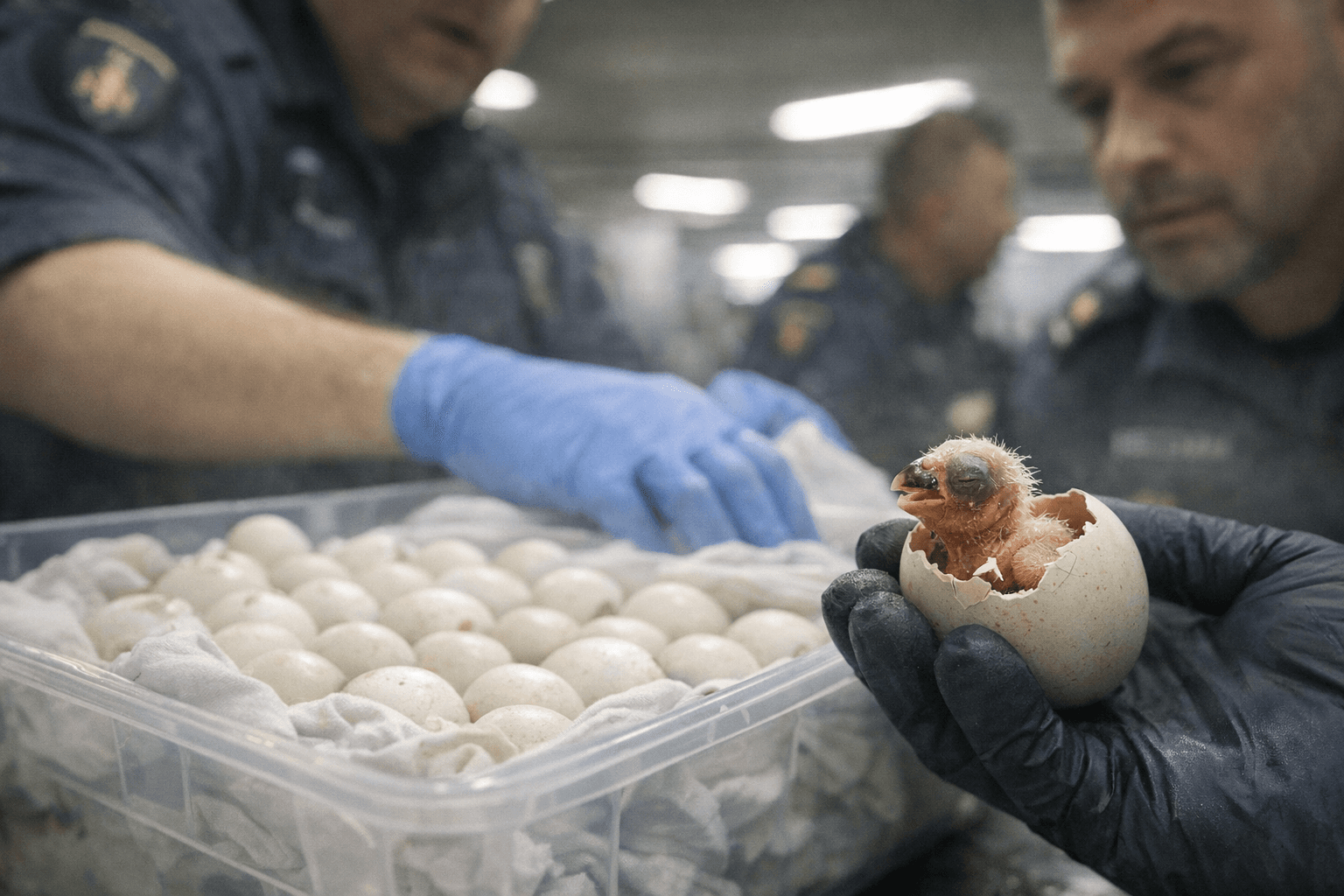
The moment inspectors at Amsterdam's Schiphol Airport opened one of the paper-wrapped bundles on March 24, they heard chirping. Inside the carry-on luggage of two travellers transiting from Central America to an Asian destination, 261 fertilized eggs believed to be from wild parrots of several species were packed in groups of about 20, each individually wrapped in paper and tucked inside T-shirts. One was already hatching.
That chick and all remaining eggs were rushed the same day to a specialist wildlife shelter and placed in incubators. The Dutch Food and Consumer Product Safety Authority (NVWA), working alongside Schiphol customs and the Royal Netherlands Marechaussee, detained the two passengers, a man and a woman, who remain in custody while the investigation continues.
"The chick is still too young to identify its species," the NVWA noted. Precise identification for the full clutch may take several additional weeks, with experts relying on physical trait analysis or DNA testing once the chicks develop enough to assess.
The stakes for the eggs in care are high. Fertilized parrot eggs pulled from wild nests suffer significant mortality: exposure to fluctuating temperatures and transport stress damages them before any incubator can help, and newly hatched chicks need species-specific heat, humidity, and immediate veterinary support. The NVWA acknowledged that outcomes remain uncertain even now.
The two suspects had no legal ownership or import documentation, placing them in violation of both Dutch law and the CITES Convention, the international treaty that restricts or prohibits trade in most parrot species without proper permits. Their route, transiting from Central America to Asia through a major European hub with hand luggage packed full of concealed eggs, reflects a documented trafficking method that enforcement agencies are actively working to intercept.
For anyone looking to bring a parrot into their home, this case makes the documentation checklist concrete. A legally sourced bird should come with a CITES permit or certificate for any protected species, a closed leg ring carrying a traceable breeder code, and verified hatch or breeding records. Ask sellers directly to show the parent birds, their paperwork, and hatch documentation. An inability or unwillingness to produce those records for a CITES-listed species is a serious red flag.
Online listings deserve the same scrutiny. Be cautious of advertisements that describe birds as "imported" without specifying legal documentation, offer very young chicks with no named breeder, or use phrases like "sourced from egg" without verifiable records attached. If you suspect a bird or eggs have been illegally sourced, report it to your national wildlife enforcement body or to TRAFFIC, the global wildlife trade monitoring network.
The single chick that hatched mid-inspection at Schiphol is now in specialist care, its species still unknown. Behind it sit 260 more eggs, their futures uncertain, all pulled from wild nests somewhere in Central America.
Know something we missed? Have a correction or additional information?
Submit a Tip