Earth Day event spotlights lifelong parrot care with sanctuary ambassadors
Max and Monte turned Earth Day into a lesson in why parrots need a lifelong plan, not an impulse purchase.
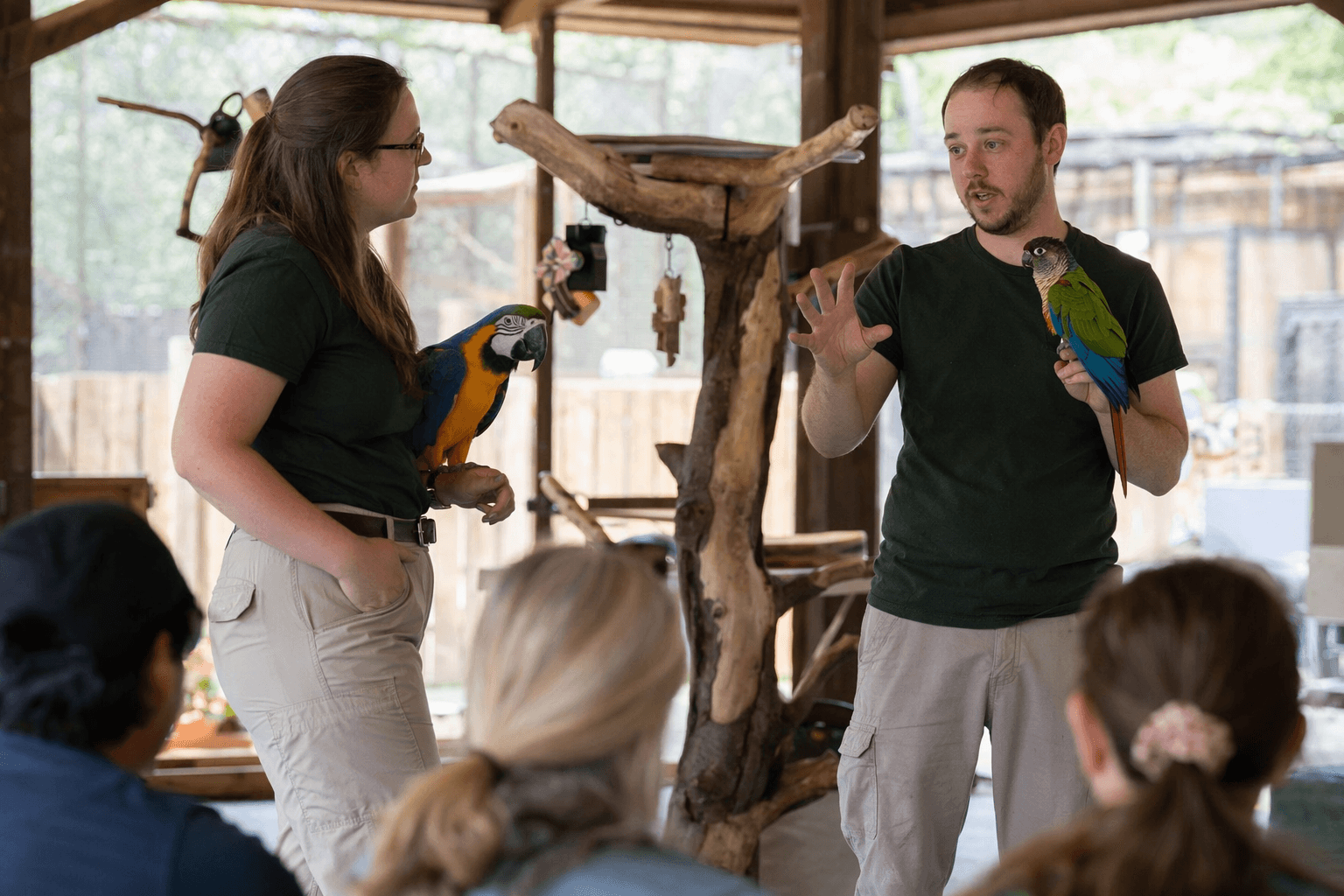
Max and Monte turned the Earth Day crowd at the WellCome OM Center into a live lesson in why parrots are never impulse pets. The sanctuary ambassadors, a 37-year-old Congo African grey named Max and Monte, believed to be between 40 and 50 years old, met families at Spring Hill’s 7th annual Earth Day celebration and showed how much more there is to parrot ownership than color, noise, and charm.
Ziggy’s Haven Bird Sanctuary used the free event, held Saturday from 9 a.m. to 3 p.m. at 4242 Lake in the Woods Dr. in Spring Hill, to put real birds in front of the public while more than 60 vendors filled the campus. The sanctuary, established Aug. 6, 2004, has acquired more than 250 parrots over the years and regularly sends birds into nursing homes, schools, and community events. That outreach carries a blunt message: many parrots arrive from abusive homes, surrender situations, or households that never understood how long a bird can live.
The American Veterinary Medical Association says large parrots can live more than 100 years, which makes the decision to bring one home a multigenerational commitment. The AVMA says owners need to plan for the full potential lifespan and budget for food, shelter, veterinary care, training, and exercise. That warning fits the reality at Ziggy’s Haven, where the sanctuary says it houses hundreds of parrots and spends about $40,000 a year on veterinary bills, including roughly $19,000 already spent from January through April.
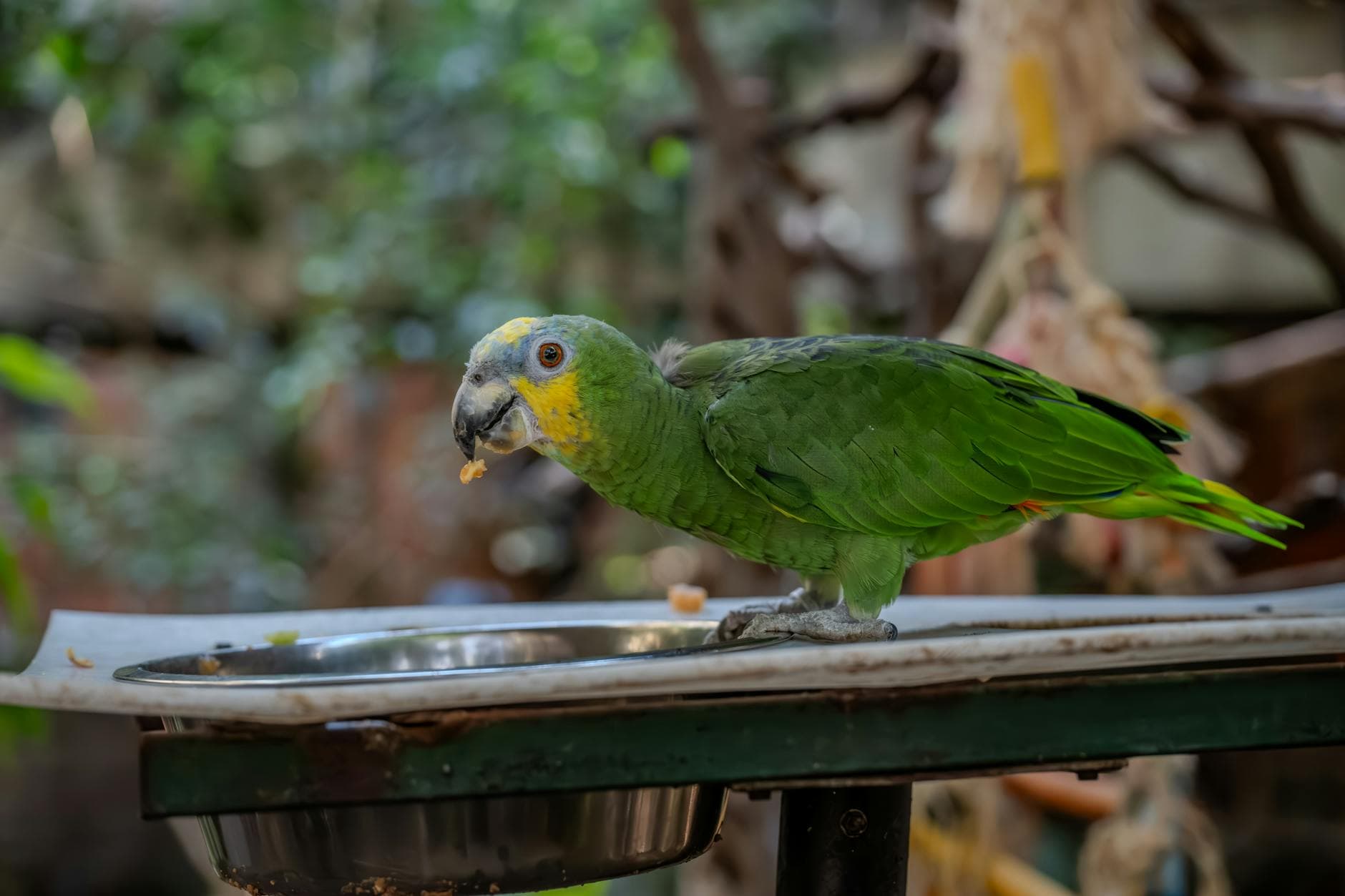
Ziggy’s Haven’s adoption policies are equally direct. The sanctuary says no bird goes home with a stranger, and its own adoption information describes parrots as loud, destructive, selfish, and demanding to make sure adopters understand what daily life with a bird actually looks like. That kind of screening is meant to stop the wrong match before it becomes another surrender.
The care lesson goes beyond behavior. Veterinary guidance warns that all-fresh parrot diets can be nutritionally incomplete, and that healthy diets generally rely on formulated pellets alongside fresh vegetables and some fruit. Ziggy’s Haven says about 80 percent of a parrot’s nutrition should come from pellets, with fresh fruits and vegetables added daily, a reminder that the work of caring for a parrot starts long before the first cage is brought through the front door.
This article was produced by Prism’s automated news system from verified source data, official records, and press releases, then run through automated quality and moderation checks before publishing. The system is built and supervised by the people who set the standards it runs under. Read our full AI policy.
Did this article answer your question?