Feather care helps parrots signal health, stress and illness early
Feather changes can flag stress, diet gaps, or illness long before a parrot looks sick. Read the plumage, and you may catch trouble before a crisis.

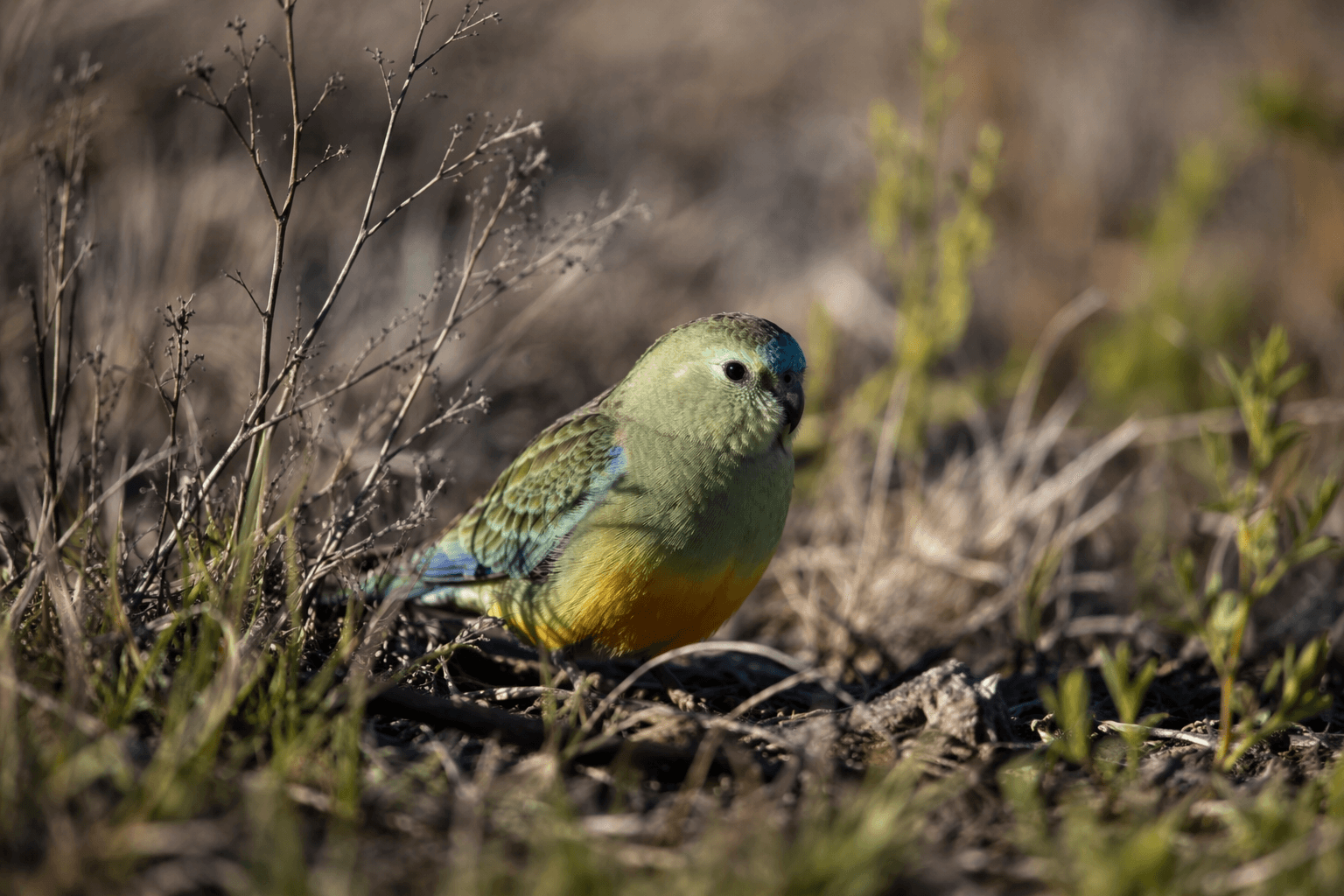
A parrot’s feathers can tell you far more than how polished the bird looks on a perch. When plumage stays glossy, tight, and evenly arranged, it often reflects a body that is coping well with diet, sleep, and daily stimulation. When the coat starts to dull, break, thin out, or show patchiness, the bird may already be signaling trouble.
Why plumage works as a health dashboard
Feathers are not just decorative. They help regulate body temperature, protect skin, and provide one of the clearest early reads on overall condition. That is why feather care belongs in the same conversation as nutrition, behavior, and veterinary monitoring, not in a cosmetic corner of bird keeping.
The big advantage is timing. Skin and feather problems are among the most common health issues in birds, and feather changes can appear before a parrot looks obviously ill. A steady coat often suggests that feeding, hydration, sleep, and enrichment are at least close to right, while a change in plumage can be the first clue that something in the bird’s routine has slipped.
The signs that deserve a closer look
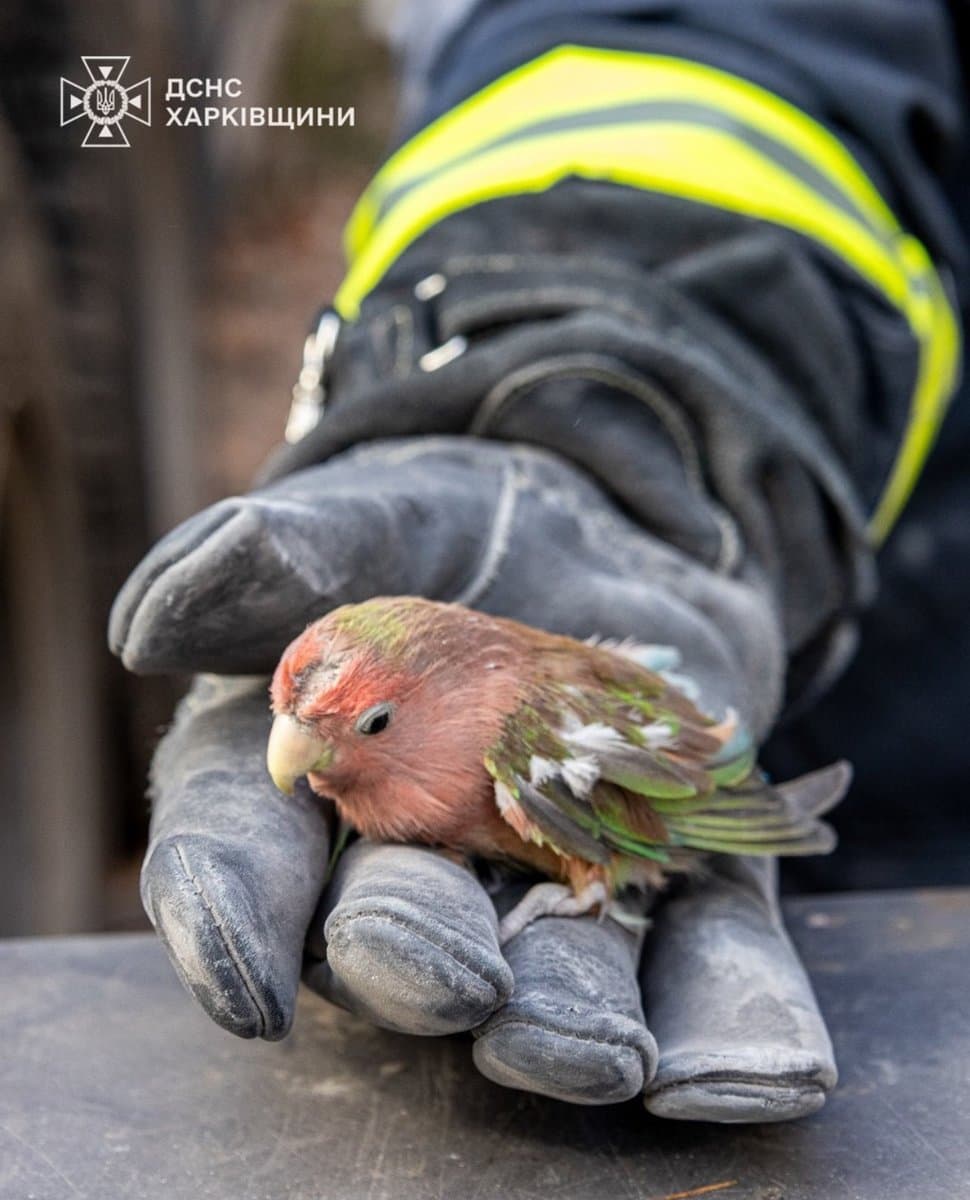
The warning signs are usually visible if you know what to watch for. Stress bars, dullness, breakage, patchiness, over-preening, and heavier-than-usual shedding all deserve attention, especially when the change is new or keeps getting worse. These are not just grooming quirks. They are the bird’s outward report on what is happening underneath.
- Stress bars can point to a feather that grew under strain, often because the bird was dealing with poor nutrition, chronic stress, or another physiologic burden while the feather was forming.
- Dullness can suggest that diet, hydration, or daily care is off balance. A bird that looks less vibrant than usual may be telling you the basics are not as solid as they should be.
- Breakage can reflect dry air, physical wear, or a bird that is not preening and maintaining feather structure normally.
- Patchiness raises a wider alarm. It can come from self-directed feather damage, but it can also reflect illness, parasites, or a more generalized health problem.
- Over-preening is often a behavior clue as much as a feather clue. When a bird keeps working the same areas, the issue may be boredom, stress, loneliness, or discomfort rather than simple habit.
Seen together, these signs make plumage one of the simplest home dashboards available to parrot keepers. The key is not to wait for a bird to look dramatically unwell before taking a change seriously.
What those changes can mean
The cause is not always in the feathers themselves. Merck Veterinary Manual lists medical causes of feather destructive behavior such as malnutrition, inflammation, infection, cancer, and toxins, along with psychological causes including stress, boredom, and sexual frustration. That is why a bird that starts pulling, chewing, or overworking feathers needs more than a cosmetic response.

Environment matters just as much as diet. Merck notes that birds are social animals and can develop feather-pulling and other behavior problems when they are not sufficiently stimulated. It also points out that deprivation of natural sunlight, fresh air, humidity, and a normal light/dark cycle can have negative physiologic and psychologic effects, which lines up with the practical advice to keep the air comfortable, the day-night rhythm steady, and the bird engaged.
There is also hard data behind the stress connection. In a 2016 study of African grey parrots, birds with feather-damaging behavior had mean corticosterone metabolite levels of 1,744 ng/g in droppings, compared with 587 ng/g in parent-reared parrots and 494 ng/g in healthy hand-reared parrots. That kind of difference reinforces the point that feather damage is often tied to stress physiology, not just appearance.
Preening itself is part of the protection system, not a vanity behavior. In a preening experiment, birds with impaired preening stayed infested with lice, while lice prevalence on birds that could preen normally dropped by 50% over 42 weeks. When preening falls apart, the bird loses a built-in defense as well as a tidy look.
How to support healthy feathers at home
The most useful care steps are practical and repeatable. One guide recommends bathing or showering two to three times per week to keep feathers supple and support normal preening. It also suggests humidity around 50 to 60 percent, which can help reduce brittleness and skin irritation, especially in drier indoor conditions.
Nutrition needs the same consistency. A diet built around quality pellets and dark leafy greens gives feathers the raw material they need, while regular hydration helps the skin and feather condition stay stable. Clean water, routine feeding, and steady access to appropriate foods matter because feather quality often reflects the bird’s longer-term nutritional picture.
The living space matters too. Keep the cage clean and rotate enrichment items so the bird does not get stuck in a stale environment. Food-hiding enrichment, training, and other activities that make a parrot work and think are not extras. They help reduce boredom, which Merck identifies as a major driver of unwanted behaviors, including feather pulling.
Beak and nail care also belong in the same maintenance picture. Overgrowth can interfere with feather protection and normal movement, and a bird that is uncomfortable moving around or preening cleanly is less likely to keep plumage in top shape. Healthy feathers depend on the whole bird functioning well, not on one isolated grooming routine.
When feather damage needs a deeper workup
Not every feather problem is a husbandry issue. Psittacine beak and feather disease is a recognized viral cause of feather loss in parrots, and feather destructive behavior can also require viral testing. That matters because visible damage can reflect disease rather than boredom, even when the behavior looks similar from the outside.
Merck says diagnosing feather destructive behavior may involve a CBC, biochemical profile, viral testing, skin biopsy, radiographs, and endoscopy. That range shows how seriously clinicians treat the problem when feather damage becomes persistent or severe. The point is simple: if the plumage is changing, the answer may be medical, environmental, behavioral, or all three at once.
That is also why feather care is really a welfare issue. World Animal Protection has said captive-breeding of parrots has increased dramatically and may not be a straightforward conservation solution, a reminder that these birds are long-lived, highly social, and demanding to keep well. Their feathers are often the first place that pressure shows up.
A glossy coat can hide a lot, but it cannot hide everything for long. When feathers stay even, intact, and bright, the bird is telling you the system is working. When stress bars, dullness, breakage, patchiness, or over-preening appear, the dashboard has already lit up, and the next step is to look closely at diet, environment, and health together.
This article was produced by Prism’s automated news system from verified source data, official records, and press releases, then run through automated quality and moderation checks before publishing. The system is built and supervised by the people who set the standards it runs under. Read our full AI policy.
Did this article answer your question?