Grieving African Grey Finds New Companion After Heartbreaking Loss
Jake’s grief was real, and the fix was not a quick replacement. Teka’s careful introduction shows when a new companion, steady routine, and avian care all matter.
When a mate dies, a parrot can grieve like the bond mattered
Jake’s heartbreak is the part that sticks with you, because it is not just a sad pet story. African grey parrots are highly social, they often form lifelong monogamous pair bonds, and in the wild they live and roost in flocks. When that bond disappears, the surviving bird can show the kind of distress guardians often mistake for “acting out,” even though it is closer to a care emergency.
That urgency matters even more with African greys because the species is listed as Endangered and has long faced pressure from the illegal wildlife trade. National Geographic notes that they begin searching for mates between ages three and five and are native to rainforests across central and western Africa. For a bird built for social contact, isolation after loss is not a small emotional setback, it can be a serious welfare problem.
Jake’s story shows why the first response should be calm, not rushed
Jake’s family noticed that he was having a hard time after losing his lifelong companion, and his mom focused on keeping him occupied and emotionally steady while they looked for a solution. That instinct matters. The goal in those first days is not to force the bird to move on, but to keep him safe, engaged, and monitored while grief settles into something more legible.
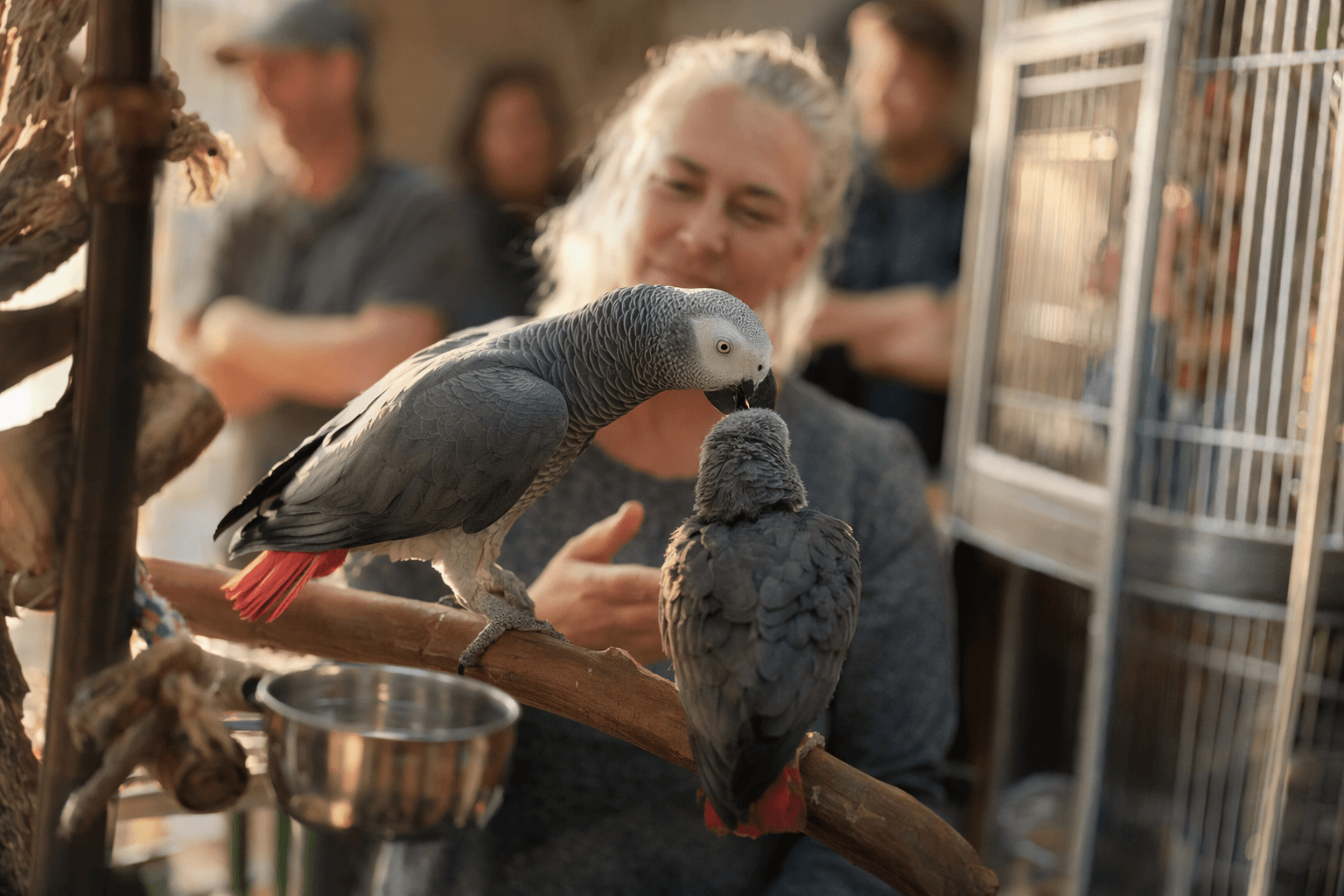
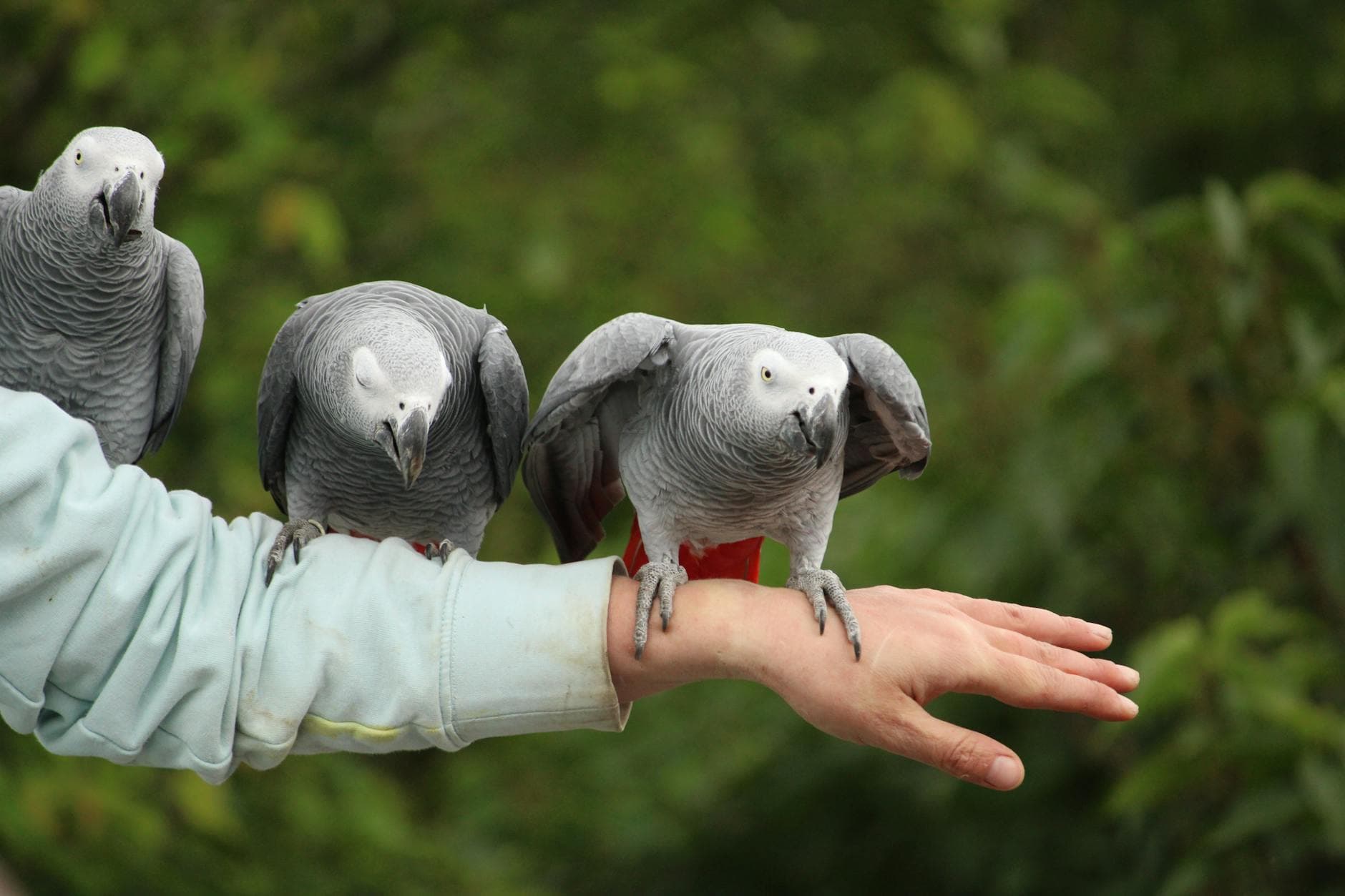
The sweetest surprise was Teka, another African Grey whom caregiver Emmy had known for some time and could no longer keep in her own home. The birds were first brought together in a neutral aviary space, which gave them a chance to meet without either one feeling that territory was being invaded. That detail is huge, because birds can be picky and cautious about new companions, especially when they are already stressed.
Gecko Emmy’s bird-education account shared the moment Jake met Teka and framed it as a one-year-later reunion with a hoped-for new best friend. Happily, Jake and Teka reportedly hit it off, and they are now spending most of their time together out in the aviary. The lesson is not that every bereaved parrot needs a new mate immediately, but that a thoughtful match can work when grief, personality, and space are handled with patience.
Watch for the signs that grief has turned into a health problem
A bereaved parrot may not say much, but the body often does the talking. After the loss of a mate, warning signs can include restlessness, aggression, refusal to eat, feather plucking, beak grinding, and lethargy. Those changes deserve attention because they can mean the bird is struggling with genuine distress, not just temporary moodiness.
Feather-picking is especially important to take seriously. UC Davis notes that feather-picking in parrots is common and can lead to skin infections and other complications, which means a grief response can quickly become a medical problem if the bird starts damaging its own plumage or skin. Once the bird is injured, the issue is no longer just emotional support, it becomes avian medicine.
How to decide between routine changes, companionship, or veterinary support
The right next step depends on what the bird is doing right now. If the parrot is anxious but still eating, alert, and not injuring itself, a steadier routine and more social and mental stimulation may help while you watch for changes. The ASPCA says medium and large parrots such as African greys need exactly that kind of stimulation, and for birds that mate for life, at least one bird companion is especially important.
If the bird starts refusing food, plucking, becoming lethargic, or showing other clear signs of decline, veterinary support should move to the front of the line. That is where grief stops being something you manage at home and becomes something an avian professional needs to assess. UC Davis’ Schubot Parrot Wellness & Welfare Program also reflects how seriously institutions take parrot welfare, offering wellness classes and mobile consultation services for large parrot collections and rescue centers.
Companionship is the best fit when the bird’s social needs are the main problem and a compatible match is possible. But the match should be paced, not rushed, and the introduction should happen in a neutral space like Jake and Teka’s aviary meeting. Birds that have lost a mate may need time to accept a new relationship, and forcing it too quickly can create more stress than comfort.
The larger lesson is that bereavement in parrots is recognized care, not sentimentalism
One reason Jake’s story lands so hard is that it fits a much bigger arc in animal welfare. Cornell’s pet-loss support resources note that the first pet loss support hotline was created at UC Davis in 1989, which is a reminder that veterinary institutions have treated animal grief as a serious issue for decades. Parrot keepers are not imagining the depth of these bonds when they see a bereaved bird stop eating, pluck feathers, or go quiet.
For African greys especially, grief has to be handled with the same seriousness as any other health change. Keep the bird steady, watch the body closely, make room for another bird only when the match and the timing make sense, and involve veterinary help as soon as the signs move beyond ordinary sadness. Jake’s reunion with Teka shows the best outcome is not replacement, but the careful rebuilding of a social life a parrot can actually trust.
This article was produced by Prism’s automated news system from verified source data, official records, and press releases, then run through automated quality and moderation checks before publishing. The system is built and supervised by the people who set the standards it runs under. Read our full AI policy.
Did this article answer your question?