Best Friends microchips rescued parrots to improve lifelong identification
Microchipping is becoming a quiet lifesaver at Parrot Garden. For parrots that escape, get rehomed, or outlive owners, permanent ID changes everything.
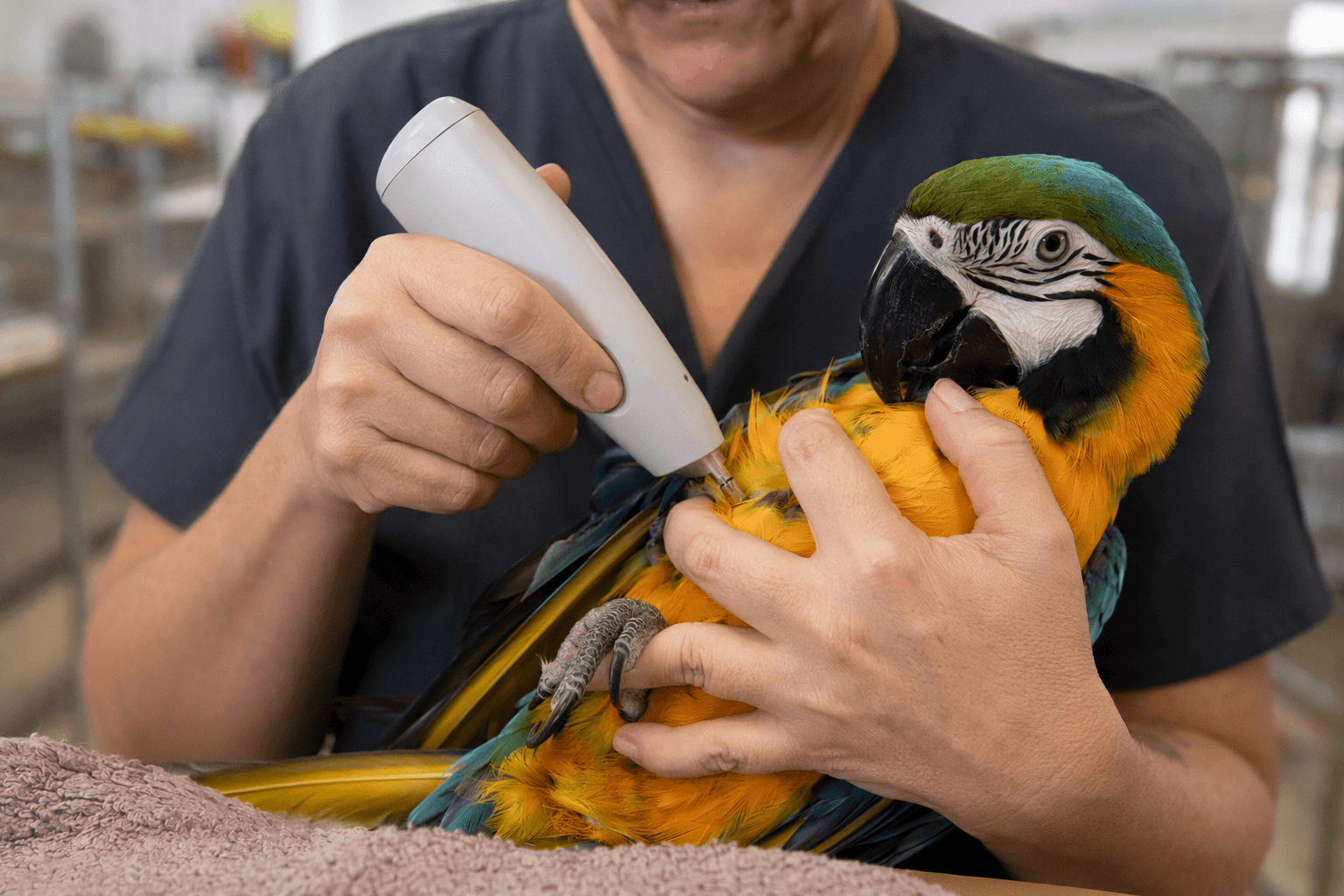
Microchipping is turning into essential parrot care, not an optional extra
At Parrot Garden, the lesson is simple: if a rescued parrot leaves the sanctuary, its identity should leave with it. Best Friends Animal Society has spent the past few months microchipping all of the parrot residents there, a practical move that matters for escapes, transfers, adoptions, and the long arc of a bird’s life.
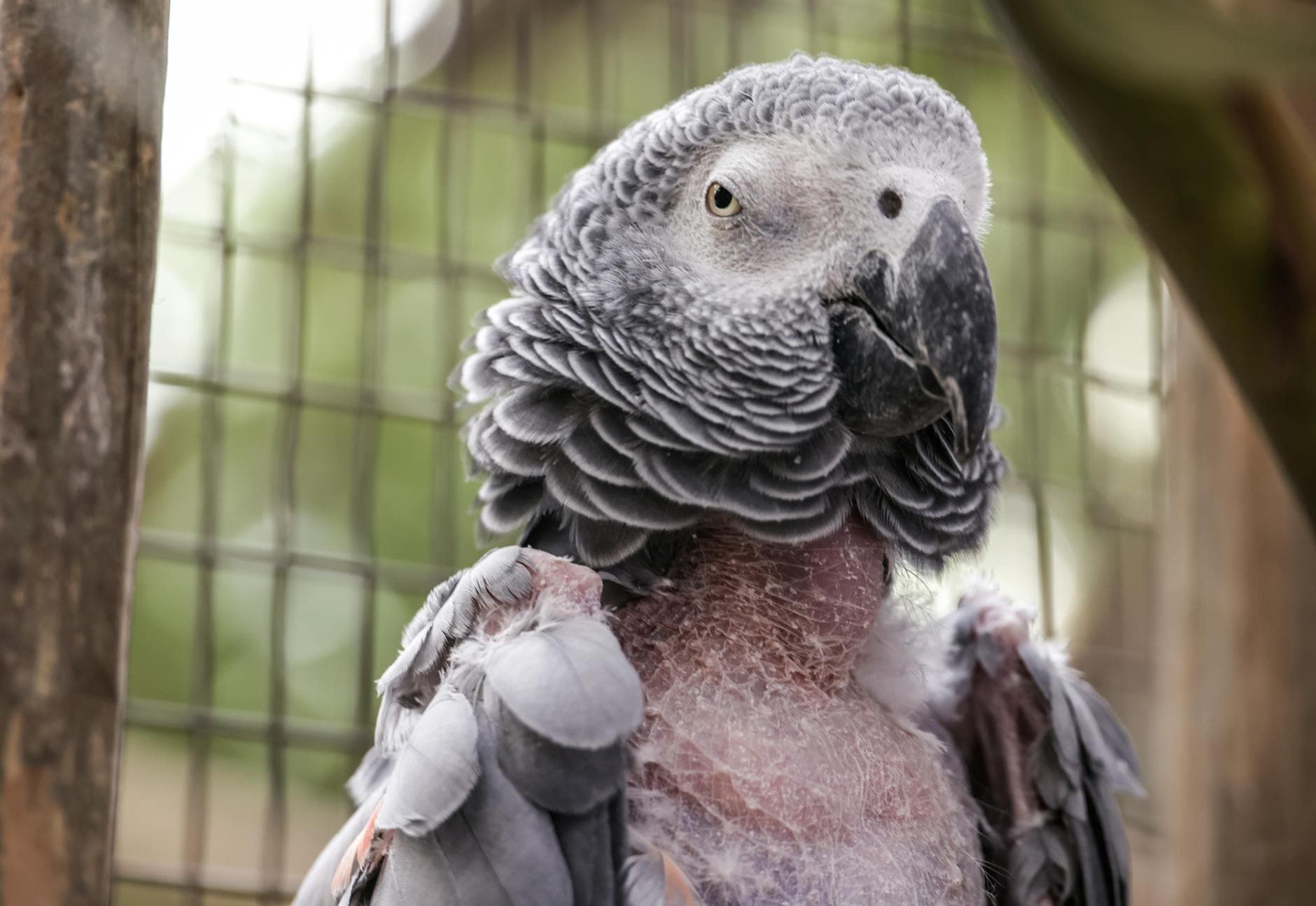
That matters because Parrot Garden is not a small holding area. Best Friends says around 100 parrots live there now, from parakeets and cockatiels to conures, macaws, and cockatoos. Many of those birds have already been through multiple homes and may have special needs, which makes clear, lasting identification more than paperwork. For a parrot that may be rehomed more than once, identity is part of care.
Why parrots need permanent ID more than most pets
Parrots are a different kind of companion animal because their timelines are different. Best Friends points out that some parrots can live up to 100 years. That kind of lifespan means one bird can outlast several households, several caregivers, and several changes in life circumstances.
That longevity raises the stakes every time a bird moves. A microchip gives the bird a permanent identification number that can travel from rescue to adoption and then into a new home, where the adopter can update the registry and keep that bond protected for years. In a species that can be passed from home to home over decades, that is not a convenience. It is continuity.
How microchipping helps when a parrot is lost or rehomed
The advantage of a microchip is not flashy, but it is decisive. Best Friends notes that leg bands are common and useful, yet microchips have an edge because the information is easier to decipher and is stored in more accessible databases. If a found bird is scanned and the registry is current, a finder has a much better shot at locating the right person quickly.
That can make the difference between a prompt reunion and a bird lingering unidentified. It also helps when a parrot is transferred between shelters, rescues, and adoptive homes, because the chip creates a fixed point of reference even when ownership changes. For a parrot in a system where names, addresses, and caretakers can all change, that permanent link is the point.
What the chip does, and what it does not do
This is where a lot of pet owners get tripped up. Best Friends’ microchipping FAQ is clear: the chip itself is not a GPS tracker. It stores only an identification number, and it does not work unless it is registered.
That registration step is the part people skip, and it is the part that can make or break a recovery. Best Friends says incorrect or missing registration dramatically reduces the chance of getting a pet back. In practice, that means the chip is only as useful as the information attached to it, so every move, every new phone number, and every ownership change needs to be updated right away.
What parrot guardians should ask before choosing a chip
Microchipping a companion parrot is not a one-size-fits-all decision, but it is a decision worth asking about early, before a crisis. The key questions are practical ones: which microchip is being used, who will register it, and how the contact information will be maintained after adoption or transfer.
A sensible checklist looks like this:
- Confirm that the chip is registered immediately after placement.
- Keep the registry details current after every move, phone change, or ownership transfer.
- Ask the vet or sanctuary team how the chip will be scanned and documented in the bird’s records.
- Treat the chip as one layer of identification, alongside leg bands, adoption paperwork, and medical history.
The important thing is to think of microchipping as part of routine husbandry, not emergency prep after the bird is already loose.
Why rescue and medical care both depend on accurate records
Parrot Garden sits inside a much larger sanctuary system, and that context helps explain why identification matters so much. Best Friends says the sanctuary is a healing home for up to 1,600 animals on any given day across nearly 5,800 acres in Angel Canyon in Kanab, Utah. In a place that large, with so many birds and other animals moving through rescue and placement, records have to be reliable.
That also matters in veterinary care. The American Veterinary Medical Association endorses electronic identification for companion animals and equids and says effective systems help reunite animals with owners, support travel and regulatory needs, and aid medical or surgical treatment decisions. For birds, where a bird’s identity can be tied to prior care, transport history, and adoption status, that makes the chip part of the medical file as much as the rescue file.
Why bird medicine makes this even more important
Birds add another layer of urgency because they can be difficult patients. The MSD Veterinary Manual notes that birds may mask illness until late, which makes clinical evaluation riskier and more complicated. When a bird is moving through rescue, foster, veterinary, and adoption channels, careful recordkeeping becomes part of safe care.
That is why a microchip is more than a reunion tool. It helps connect the bird to the right history, the right caretaker, and the right decisions if the bird needs treatment, transport, or another placement down the road. For parrots, accurate identification is not just about getting home. It is about making sure the home, the records, and the care all match.
The bigger takeaway from Parrot Garden
Best Friends is treating microchipping as a normal part of protecting rescued parrots for the long haul, and that is the right instinct. A bird that may live for decades, pass through more than one household, and someday need to be identified in a hurry deserves more than a band and a hope.
For anyone living with a companion parrot, the practical lesson is plain: ask about microchipping, make sure the registration is current, and do not wait until a bird is missing to think about permanent ID. In parrot care, that small implanted number can shape everything from a reunion to a rehoming to the bird’s next chapter.
This article was produced by Prism’s automated news system from verified source data, official records, and press releases, then run through automated quality and moderation checks before publishing. The system is built and supervised by the people who set the standards it runs under. Read our full AI policy.
Did this article answer your question?