How parrots use smell for safety, food, and health signs
A parrot that skips food or flinches at cleaners may be reading scent, not just sight. That changes how you cook, clean, and enrich the cage.
The smell myth that trips up parrot owners
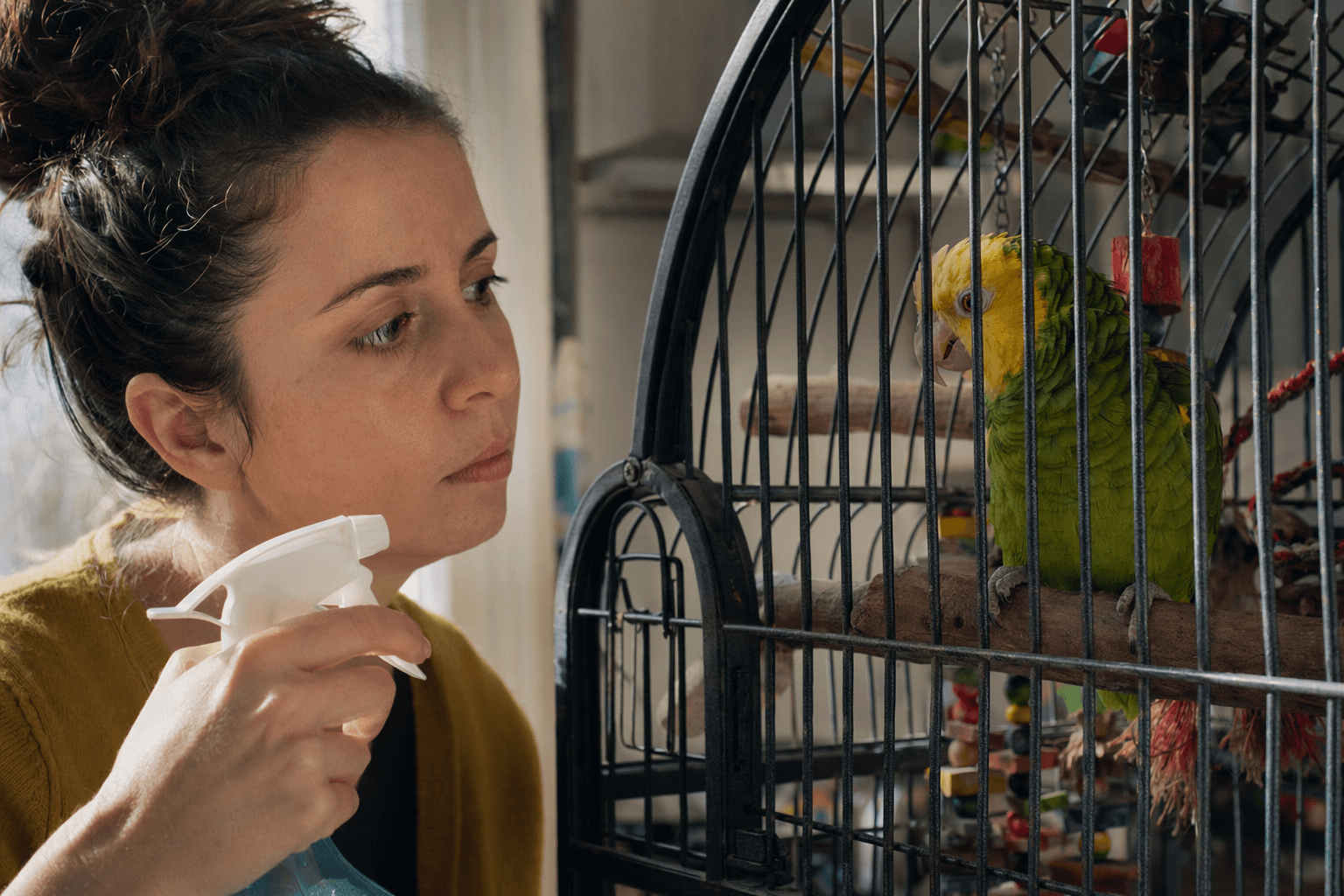
The bird that turns away from a fresh food mix, then perks up at a cracked herb leaf or recoils when you light the stove, is not being random. Smell can be part of how a parrot decides whether something is worth touching, eating, or avoiding. That matters because the old idea that birds mostly live by sight and sound has been steadily weakened by newer research, and parrot care has to catch up.
Birds are not all built the same way
A 2015 comparative study of 135 bird species used olfactory bulb size as a proxy for smell and found real differences across the avian tree, tied to brain size, ecology, and phylogeny. A 2008 genomic study also argued that birds have a well-developed sense of smell, not a uniformly weak one. Then a 2019 review pushed back hard on the long-held belief that birds are generally anosmic or microsmatic, saying the experimental data do not support that old assumption.
For parrot keepers, the practical takeaway is simple: smell is not a side note. It can shape how a bird explores a new food, reacts to a room, or judges whether a material feels safe. If you have ever wondered why a parrot will inspect one food carefully and ignore another, scent is one of the first places to look.
Food, freshness, and the bowl in front of you
A parrot that refuses a fresh mix is not always being picky in a vacuum. It may be responding to scent cues that tell it something is unfamiliar, unappealing, or even off. The same goes for birds that seem drawn to certain foods or materials. That attraction is not just about color or texture. Odor can be part of the appeal.
This is where owners can make better daily choices. Food should smell fresh, not stale. Wet mash, chopped produce, and cooked items need attention because odors change quickly. Cage hygiene matters here too, since food scraps, fecal matter, dander, dust, and other debris build up fast in bird environments. If the bowl smells wrong to you, assume it is already past the point of being useful.
The smells in your house that deserve more respect
Bird-safe care is not only about what goes in the bowl. It is also about what hangs in the air. VCA Animal Hospitals lists cooking fumes or smoke, carbon monoxide, cleaning-product fumes, paints, varnishes, fireplace fumes, air fresheners, hair products, and dirty air ducts as hazards that can cause respiratory problems in birds. That list should change how you think about routine chores.
Non-stick cookware is its own danger zone. Overheating PTFE-coated pans can cause severe toxicity in birds, and VCA notes that the outcome can be sudden and fatal. If you keep parrots, a kitchen shortcut that barely registers for you can become an emergency for them.
The practical move is to treat scent-heavy routines as bird-risk routines. Before you spray, simmer, paint, polish, or crank up a scented product, ask whether your parrot should be anywhere near that air. In many homes, the answer is no.
How to use scent as enrichment without turning the room into a fragrance bomb
The Association of Avian Veterinarians divides bird enrichment into five categories: sensory, nutritional, manipulative, environmental, and behavioral. Olfactory enrichment falls under sensory enrichment, and it is still underused in parrots even though it can be done thoughtfully. The point is not to flood the room with smell. The point is to give the bird controlled, bird-safe scent experiences.
The AAV’s recent guidance suggests edible herbs and spices such as basil, mint, chilis, lavender, rosemary, and edible flowers as possible scent tools for parrots. Used properly, scent can be part of play, foraging, and exploration. Used carelessly, it becomes just another irritant.
A useful rule is to introduce one scent at a time and watch the bird’s response. If the bird leans in, manipulates the item, or spends time investigating it, that is useful information. If it backs away, sneezes, or seems stressed, stop and strip the smell back out of the setup.
Scent can be learned, not just noticed
A 2017 Zoo Biology study from the Bronx Zoo found that captive birds of prey could associate a novel scent cue with food and handled scented packages more extensively than unscented ones. That is a big deal for parrot care because it shows smell can become a learned cue, not just background noise.
In plain English, birds can connect odor with something meaningful. That opens the door to enrichment and training ideas, but it also explains why a parrot may react strongly to one room, one cleaner, or one cooking smell and ignore another. The bird is not imagining things. It may be reading the environment faster than you are.
When smell changes point to health trouble
Birds are notorious for hiding illness, so any change in behavior around food or the environment deserves attention. If a parrot suddenly stops eating a normally accepted mix, becomes unusually wary of its room, or seems sensitive to smells it tolerated before, do not shrug it off as fussiness. That kind of shift can sit alongside respiratory irritation, poor appetite, or other early warning signs.
Because fumes and airborne irritants are such a common problem, health monitoring has to include the air itself. A bird that seems “off” after a cleaner, a cooking mishap, or a strong fragrance is giving you a clue, and that clue matters.
What to change today
- Keep air fresheners, sprays, paints, varnishes, and hair products away from bird spaces.
- Treat overheated non-stick cookware as an immediate bird safety problem.
- Clean bowls, liners, and cage trays often, because odor builds fast in a bird room.
- Use bird-safe scents sparingly, with edible herbs or flowers before anything stronger.
- Watch for sudden food refusal or room aversion as a possible health signal, not just bad manners.
The next time your parrot hesitates at a bowl or gets restless when the kitchen fills with odor, do not assume it is being difficult. The smell in the room, on the food, or on the toy may be the real story, and good care starts with noticing that before the bird has to make it obvious.
This article was produced by Prism’s automated news system from verified source data, official records, and press releases, then run through automated quality and moderation checks before publishing. The system is built and supervised by the people who set the standards it runs under. Read our full AI policy.
Did this article answer your question?