International parrots convention in Queensland focuses on fear-free care
Parrots26 lands in Chermside with a practical focus: fear-free handling, behavior fixes and enrichment ideas that owners and avian pros can use right away.
Parrots26 opens in Chermside, Queensland, with a clear promise to the parrot community: make care less stressful and more workable in everyday life. The four-day International Parrots 2026 Convention runs July 17 to 20, 2026, and its headline themes are exactly the ones that matter most at home, in clinics, and in rescue settings: behavior problem solutions, fear-free veterinary handling, foraging, and giving parrots more choice in human care.
Why this gathering matters
That mix gives the convention practical weight. Breeders, veterinarians, trainers, sanctuary staff, and pet owners all deal with stress, behavior, and husbandry, but they usually approach those problems from different angles. A convention like this brings those threads together so the conversation is not just about theory, but about what actually changes the daily experience of a companion parrot.
The timing also fits where the field is right now. A 2024 modified Delphi study in Animal Welfare reached expert consensus on the priority welfare issues facing parrots in captivity, which is a strong sign that welfare questions are still being actively refined rather than settled once and for all. PubMed Central also hosts the review What we (don’t) know about parrot welfare, a reminder that the field still has real gaps in how it measures welfare in companion birds.
Fear-free handling is the practical centerpiece
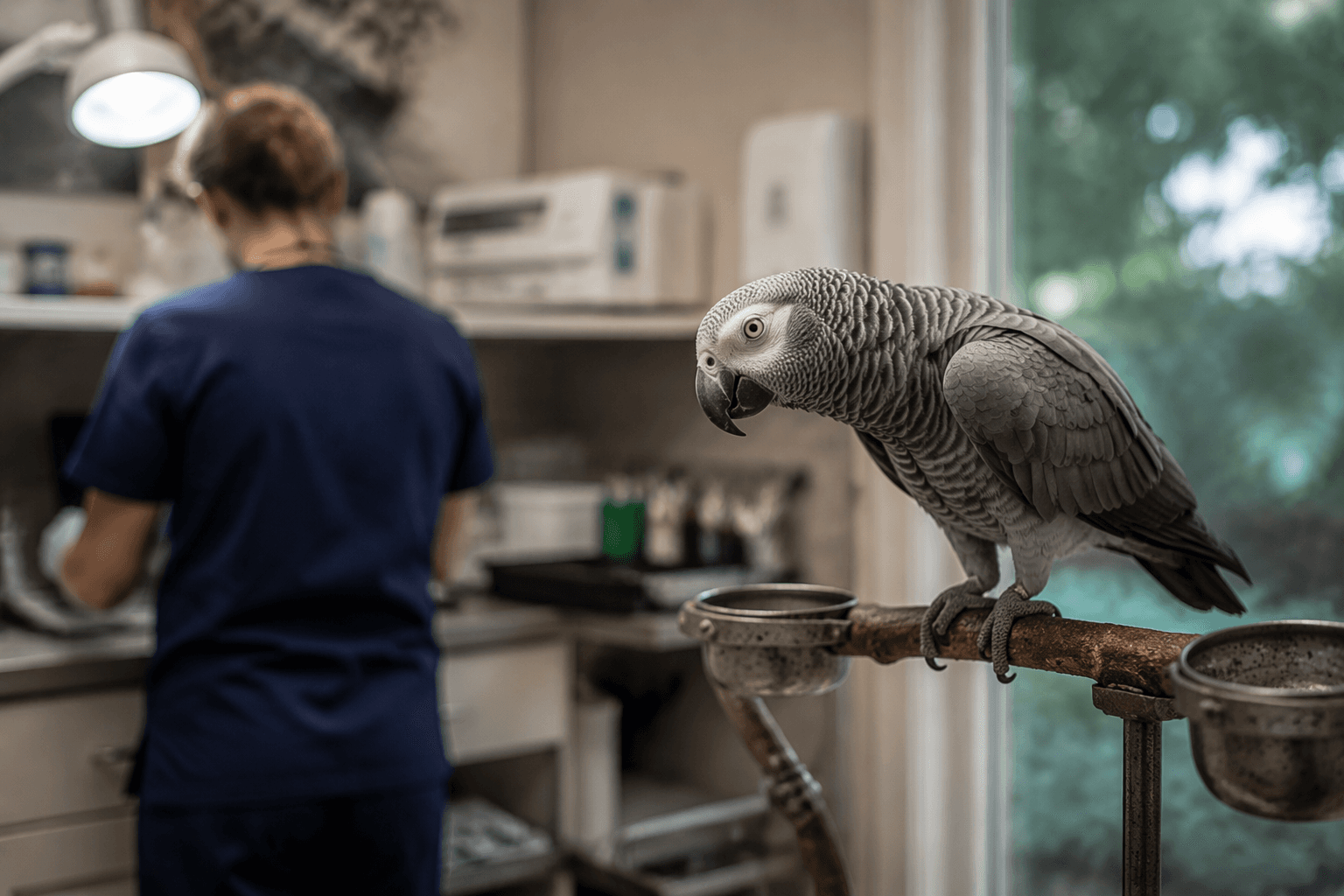
The emphasis on fear-free veterinary handling is one of the strongest signals in the program. For many parrots, a clinic visit is not a routine errand, it is a high-stress event that can shape how they respond to future care. That is why a conference built around low-stress handling is so relevant: it moves the conversation from simply getting the bird through the appointment to preserving trust for the next one.
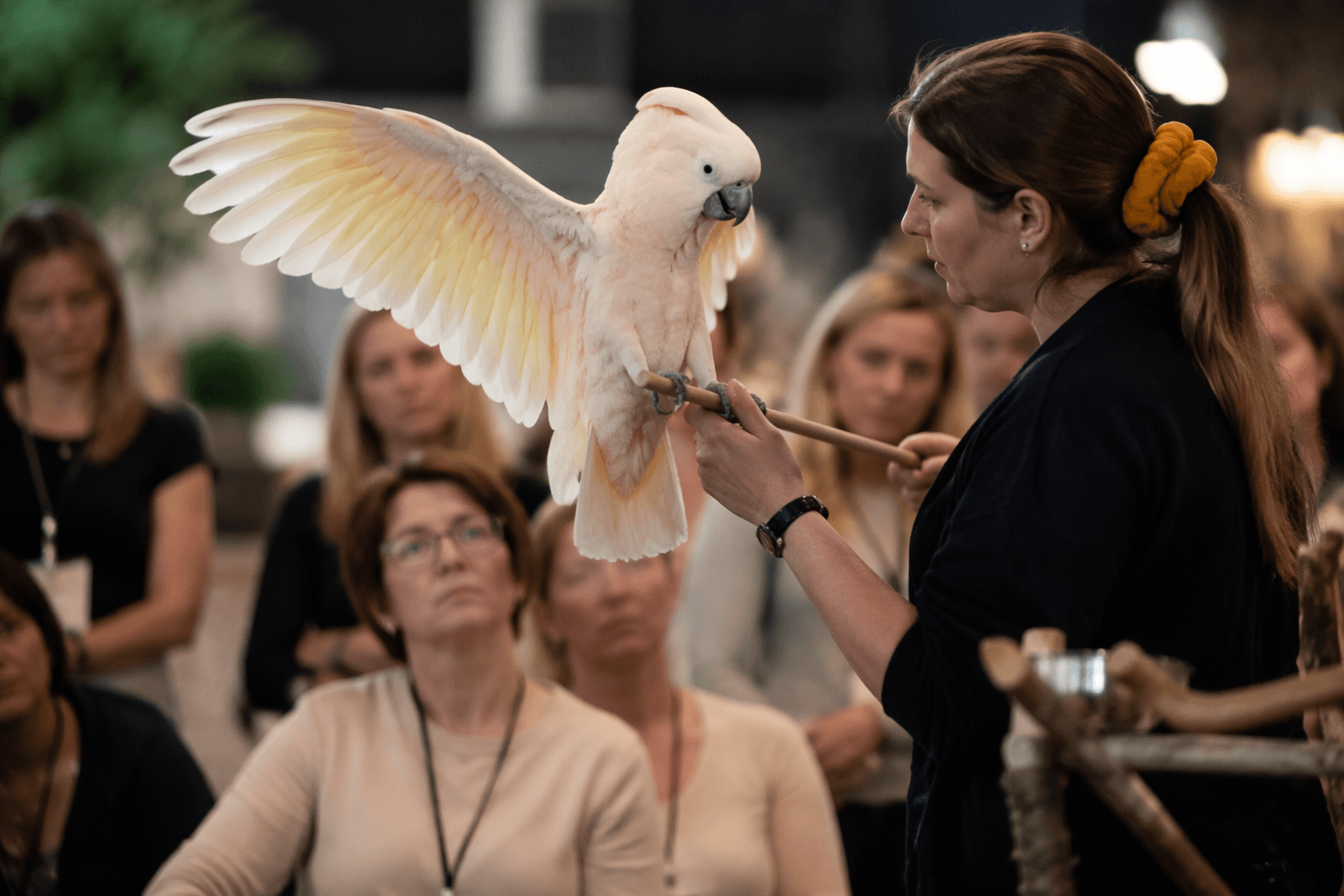
That approach lines up with peer-reviewed veterinary guidance. A 2023 article in Today's Veterinary Nurse, Veterinary visits for avian patients can be very stressful because birds have unique qualities and often receive little or no at-home training for handling. The article recommends minimizing change, moving slowly, offering treats, toweling when needed, and using sedation when appropriate. Those are the kinds of concrete techniques that turn fear-free care from a slogan into a usable clinic routine.
Behavior solutions are really husbandry solutions
The convention’s behavior focus also reaches beyond the exam room. In parrot care, behavior issues are often tied to how the environment is set up, how interactions are structured, and how much control the bird has during the day. That is why the program’s focus on foraging and more choice in human care matters so much: it shifts attention away from forcing compliance and toward building routines that help birds participate safely.
That shift has direct payoffs for everyday care. The ideas discussed at a conference like Parrots26 can shape how cages are arranged, how toys are rotated, how training sessions are structured, and how people communicate with avian veterinarians. For owners, rescue teams, and professionals, those are not abstract concepts. They are the points where stress either builds or drops.
The welfare tools behind the trend
The conference themes also match the direction of newer welfare tools. PsittaWel, a welfare assessment tool for companion parrots developed at Vetmeduni Vienna, is built to help caregivers evaluate welfare across 75 questions in 8 sections. That kind of structure matters because it gives people a way to look at welfare systematically instead of relying on guesswork or outdated habit.
Taken together, PsittaWel, the 2024 consensus study in Animal Welfare, and the ongoing review of what still is not known about parrot welfare all point in the same direction. Companion-parrot welfare is becoming more evidence-based, more measurable, and more tied to specific handling and enrichment choices. Parrots26 is positioned right in that current, with a program built around techniques people can actually use after they leave the convention hall.
A field that keeps expanding
The broader avian medicine community has also grown into a serious international network, and that matters for a convention in Queensland. The Association of Avian Veterinarians began in 1980 with 175 veterinarians and now has more than 3,300 members from 43 countries. That scale shows how much avian education and specialization have expanded, and why a gathering like Parrots26 can draw on a genuinely global set of ideas.
Chermside is therefore not just a venue on the calendar. It is the meeting point for a larger conversation about what modern parrot care should look like when the goal is lower stress, better behavior, and more responsive welfare practice. With fear-free handling at the center, Parrots26 is set up to send people home with methods that can change the next vet visit, the next training session, and the next enrichment decision.
This article was produced by Prism’s automated news system from verified source data, official records, and press releases, then run through automated quality and moderation checks before publishing. The system is built and supervised by the people who set the standards it runs under. Read our full AI policy.
Did this article answer your question?