Association of Avian Veterinarians helps owners find bird veterinarians
The AAV says birds hide illness until they are very sick, so the smartest move is finding an avian vet before you need one.
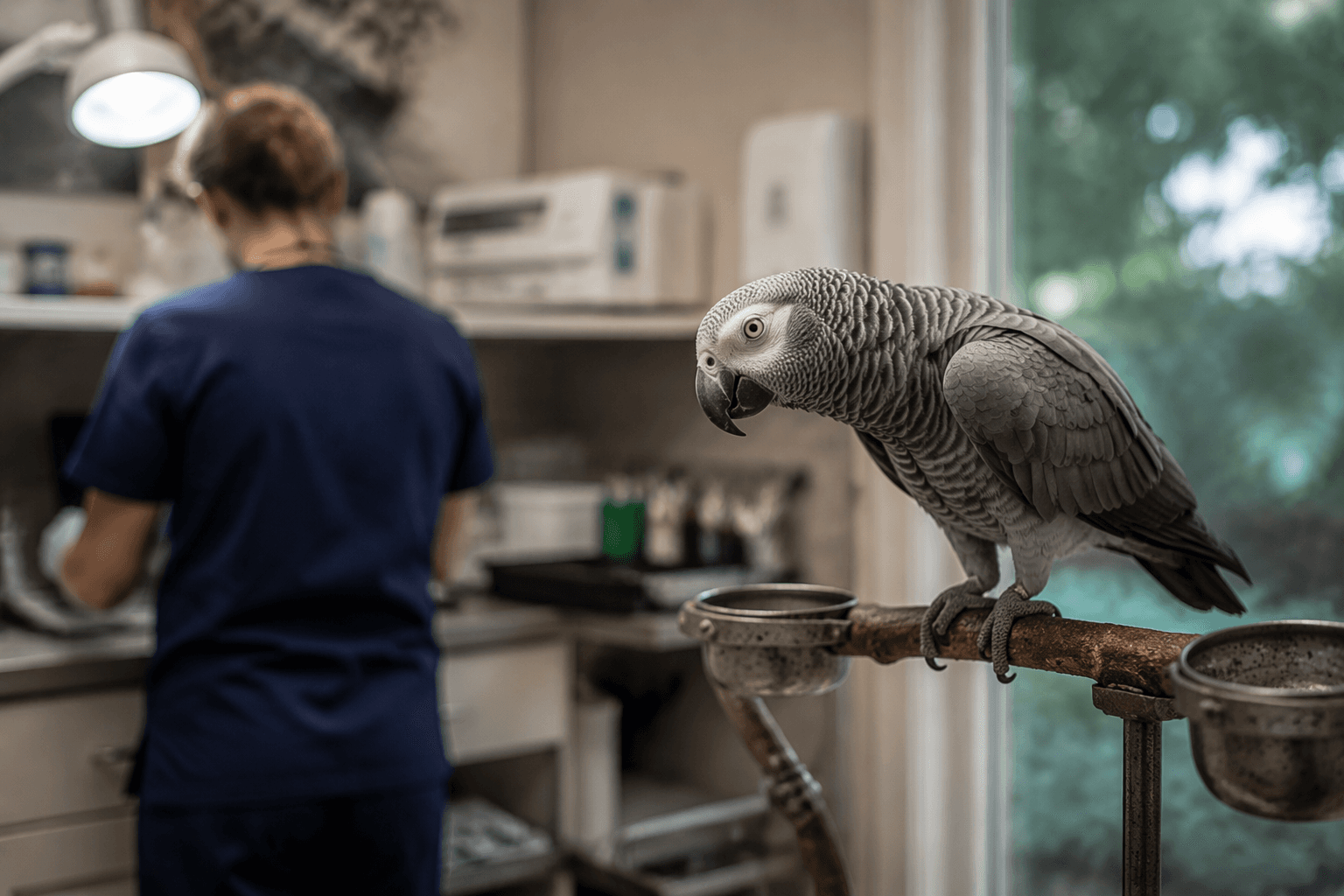
When your parrot is fluffed, quiet, and off feed, finding the right bird veterinarian stops feeling optional. The Association of Avian Veterinarians built its Find-A-Vet resource for exactly that moment, because birds are not small dogs or cats, and their anatomy, physiology, and illness patterns demand different care. If you have just brought home a new bird, moved to a new area, or you simply want a backup plan before trouble starts, this is the search that pays off early.
Why the AAV treats this as urgent preparation
The AAV’s pet-bird care brochure is blunt about the part many owners learn the hard way: birds tend to hide signs of illness until they are very sick. New or prospective bird owners should locate an experienced avian veterinarian right away, not after the first emergency. Pet birds need regular medical care just as dogs, cats, and people do, which puts routine wellness visits on the same level as food, cage size, and enrichment.
A good avian veterinarian can do far more than treat a crisis. Wellness exams, nutrition counseling, feather and skin issues, behavior questions that may have medical roots, and urgent problems that need species-specific treatment all land in the avian lane. The AAV directory helps you find someone already equipped for that work instead of hoping a general clinic can improvise when your bird is compromised.
What to verify before you trust the clinic
The AAV’s veterinarian-finder resource connects bird owners with clinicians who have the right experience, tools, and training. In practical terms, that means you want more than a clinic that is willing to “see birds.” You want evidence that birds are part of the practice, not an occasional add-on.
Look for these basics:
- Real avian experience, not just general small-animal practice with the occasional parakeet
- Training that shows the veterinarian understands avian health, welfare, and species-specific treatment
- Avian-focused equipment and handling that suit a bird’s size and stress level
- A clinic that can handle both routine care and urgent problems without guessing
- A practice that can tell you what to do if your bird gets sick after hours
Its resources include printable handouts on basic pet bird care, the avian health exam, signs of illness in birds, and when to take your bird to the vet. If a clinic cannot speak fluently to those basics, keep looking.
The first phone call is where you separate a bird vet from a bird-friendly vet
The first call should be short, direct, and practical. You are not trying to make friends, you are trying to confirm competence before you need it in a rush. Ask whether the veterinarian sees parrots regularly, what kinds of birds they treat most often, and whether they are board-certified, board-eligible, or otherwise specialized in avian practice.
A few questions are worth asking verbatim:
1. Do you regularly treat parrots and other pet birds, or is avian care only an occasional part of the practice?
2. What avian training or advanced credentials does the veterinarian have?
3. Can you handle wellness exams, nutrition counseling, feather and skin problems, and urgent illness in birds?
4. What is your plan for emergencies or after-hours issues involving a bird?
5. How do you reduce stress during avian physical exams?
The AAV has separate material on the avian physical exam and on increasing welfare while decreasing stress. If a clinic talks about restraint, handling, and calm set-ups in a thoughtful way, that is a good sign. If the answer sounds like they would simply treat your bird like a tiny dog in a towel, move on.
Build the backup plan before the cage goes quiet
A real avian-care backup plan has two parts: a primary vet and a second option. The primary vet is the clinician you want for wellness visits and long-term care. The backup is the bird-capable clinic you would call if your regular doctor is booked, traveling, or unreachable when your bird stops eating.
Keep the plan simple and written down. Put the clinic name, phone number, address, and any emergency instructions in the same place you keep your bird’s records. If you have rescues, foster birds, or multiple parrots, make the list for each bird, because species and medical histories can change what the vet needs to know first.
Its Resources page offers printable handouts for owners, and that makes it easier to assemble a small home file with care basics, signs of illness, and the threshold for calling the vet. That file should be ready before a move, before a vacation, and before you bring home another bird.
Why the AAV directory carries weight
The AAV is a global professional organization dedicated to advancing and promoting avian health, welfare, and conservation through education, advocacy, and science. It was founded in 1980, incorporated in Massachusetts in 1982, and received 501(c)(3) status in 1983. The first AAV conference was held in Kalamazoo, Michigan, in June 1980, and Dr. Spink was instrumental in organizing it.
Its history page includes photos from those early conferences and scans of original newsletters, showing a profession that has spent decades building avian medicine into something more formal and more accessible.
This article was produced by Prism’s automated news system from verified source data, official records, and press releases, then run through automated quality and moderation checks before publishing. The system is built and supervised by the people who set the standards it runs under. Read our full AI policy.
Did this article answer your question?