Shenzhen customs intercepts hidden CITES-listed parrots in travelers' pockets
Two travelers hid CITES-listed parrots in their pockets in Shenzhen, a fresh warning for buyers scanning “rare” bird listings and imports.
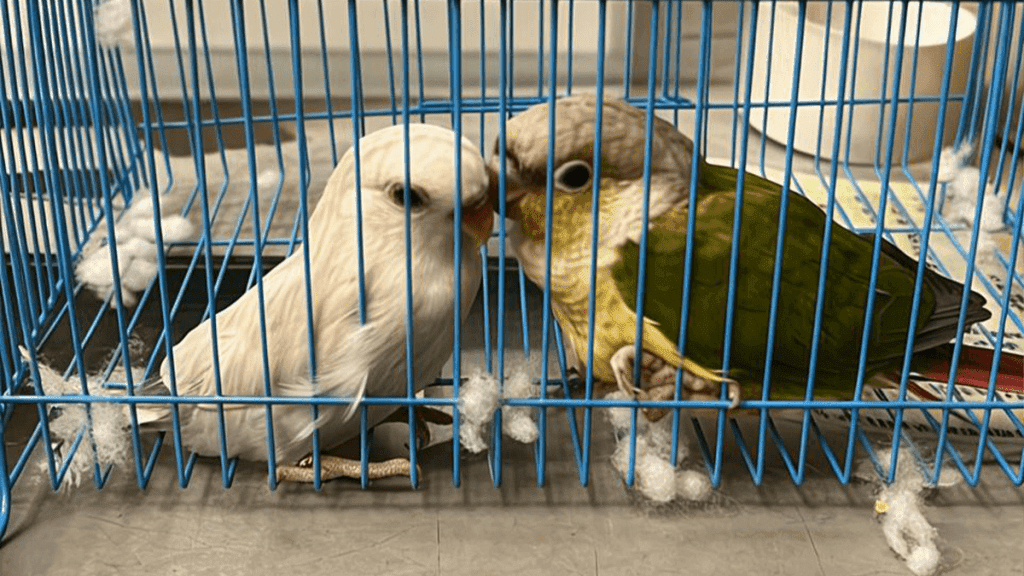
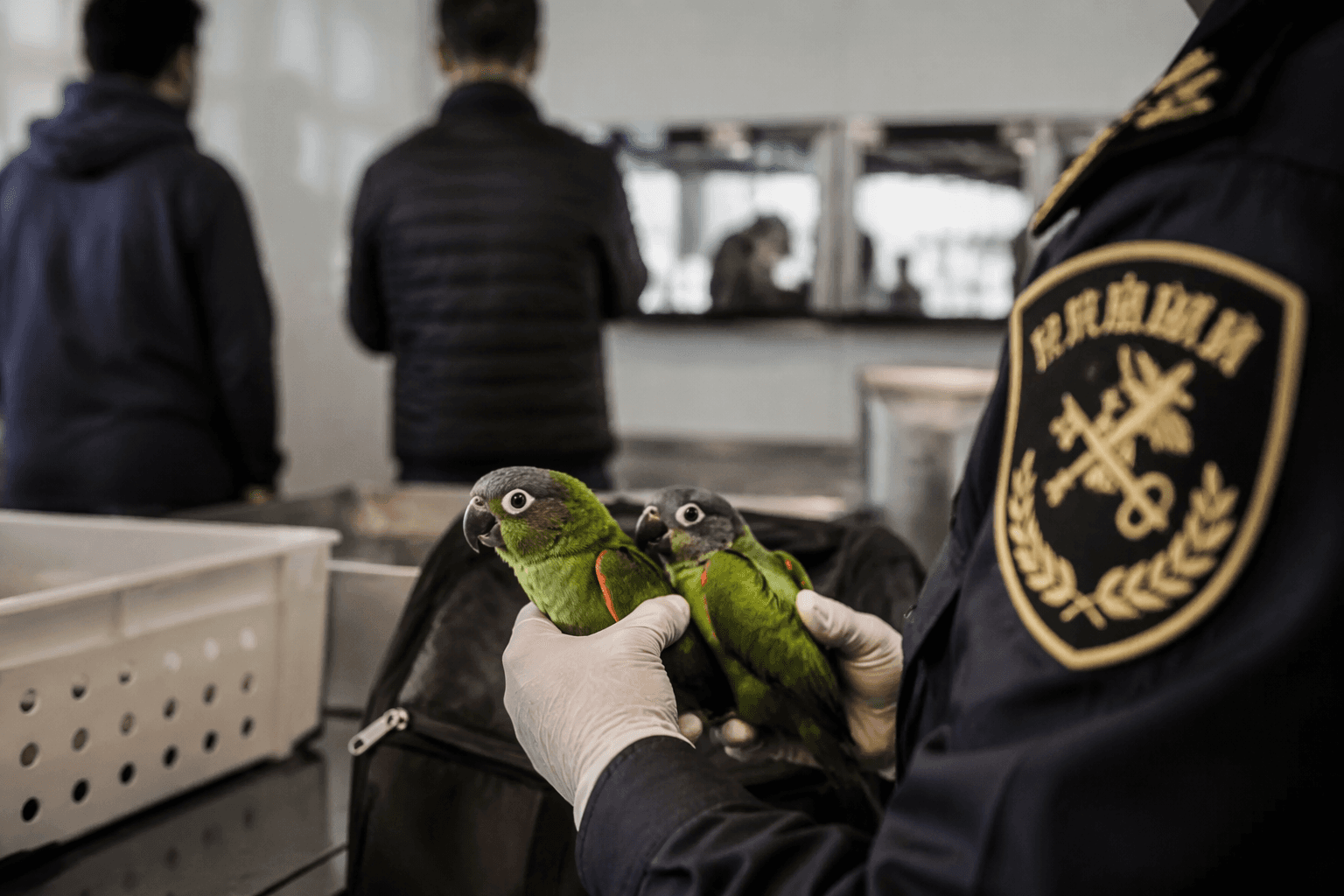
Shenzhen customs officers intercepted two travelers who tried to smuggle protected CITES-listed parrots hidden in their pant pockets. For parrot keepers, the case is a blunt reminder that birds sold through vague import routes and “rare species” offers can start with concealment, not legitimate trade.
China Customs classifies parrots as restricted in entry and exit as China’s Class-II Protected Wild Animals and lists them in Appendix II of the Convention on International Trade in Endangered Species of Wild Fauna and Flora, or CITES.
Hong Kong Customs seized 10 scheduled endangered live parrots and 43 live birds at Lo Wu Control Point from a 39-year-old female passenger, with a total estimated market value of about HK$11,000. The same kind of concealment turned up again at Brownsville’s Gateway International Bridge, where U.S. Customs and Border Protection officers found three live parrots hidden in a box during a secondary inspection.
For buyers, the red flags are hiding in plain sight. A seller who can’t show CITES paperwork, import documents, or a clean chain of custody is not offering a bargain, no matter how unusual the bird looks online. A parrot that arrives through baggage, boxes, pockets, or any handoff that avoids a documented transfer carries obvious welfare stress and leaves no way to verify whether the bird was legally obtained.
A peer-reviewed study of China’s international parrot trade from 1981 to 2022, built from the CITES Trade Database, shows how long these movements have been tracked across borders.
This article was produced by Prism’s automated news system from verified source data, official records, and press releases, then run through automated quality and moderation checks before publishing. The system is built and supervised by the people who set the standards it runs under. Read our full AI policy.
Did this article answer your question?