Limbe Wildlife Centre Rescues 71 African Grey Parrots From Illegal Trade
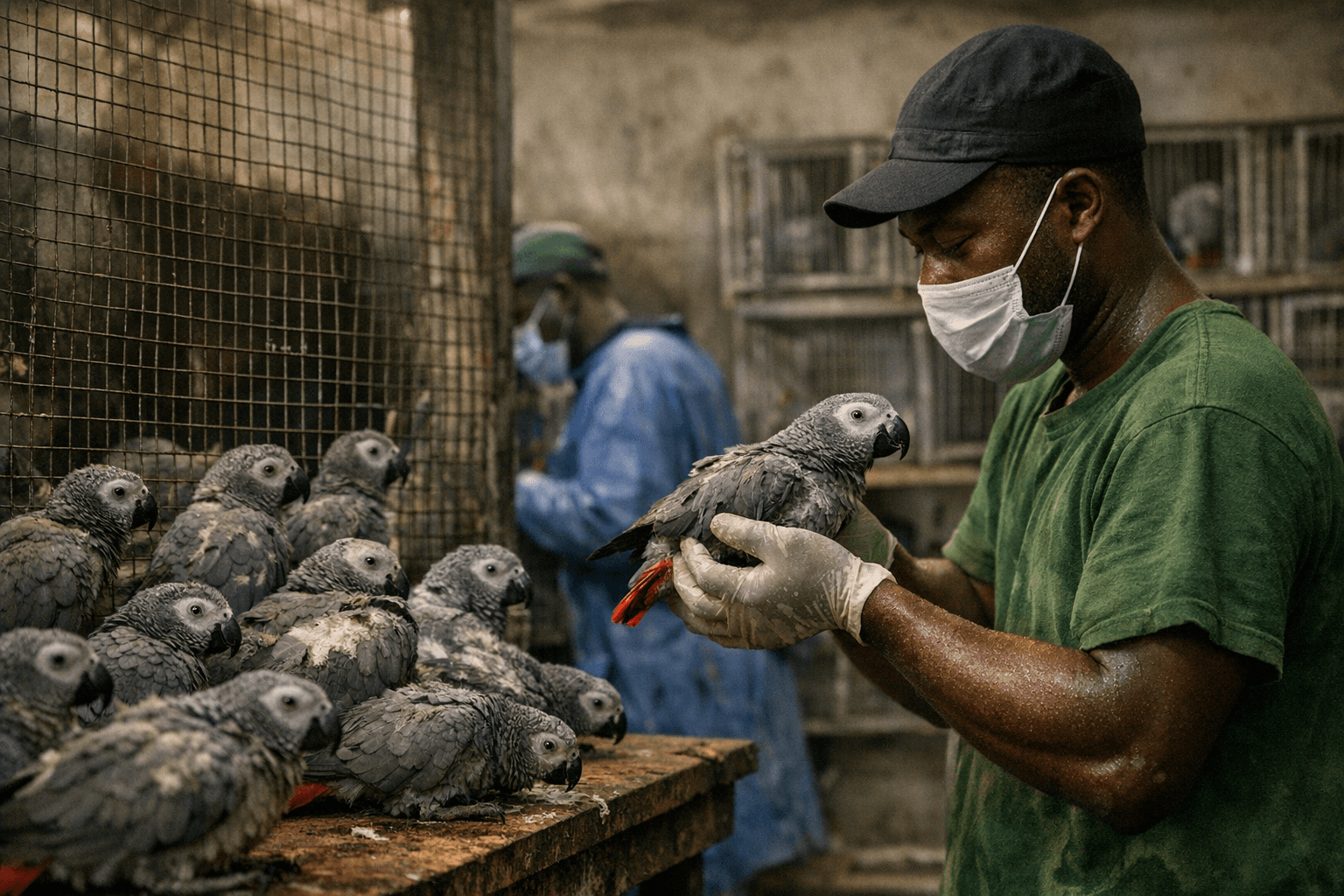
Seventy-one African grey parrots, seized from traffickers with clipped wings and riddled with parasites, are now in rehabilitation at Limbe Wildlife Centre in Cameroon.
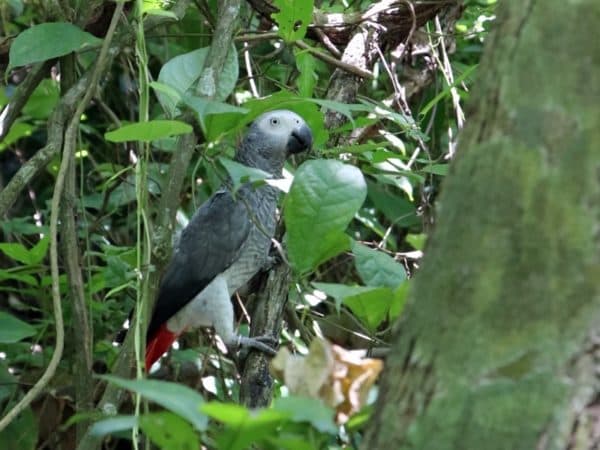
Seventy-one African grey parrots arrived at Limbe Wildlife Centre (LWC) in Cameroon carrying the standard damage of the illegal trade: flight feathers deliberately clipped by poachers to prevent escape, bodies dehydrated and riddled with parasites, and a degree of physical and psychological stress consistent with extended confinement in small cages and boxes. Seized from traffickers and transferred to LWC, these birds entered what is currently the only specialist African grey rescue and rehabilitation programme in Cameroon.
The rehabilitation arc is neither fast nor simple. Before any bird can begin relearning how to fly, the clipped feathers must regrow, a process that cannot be rushed. Staff then introduce isolated birds into a flock, which is not a welfare nicety but a clinical necessity: African greys are among the most socially dependent parrots in the world, and solitary confinement compounds their trauma significantly. Once feathers and flock dynamics are established, structured flight training begins in the Centre's purpose-built rehabilitation aviary, measuring 22 by 11 metres, before birds are assessed for return to wild forest habitat. The goal is always release, not permanent captivity.
British actor Peter Egan, LWC's first ambassador and a longtime animal rights activist, brought the rescue to a far wider audience through a video update that circulated widely online, directing public attention to the Centre's rehabilitation work. Egan's involvement carries real reach inside and outside the parrot-keeping community, and the visibility matters: the species is in genuine crisis. African grey populations have declined by an estimated 50 to 79 percent across just three generations, a collapse that prompted the IUCN to list the species as Endangered in 2016 and triggered its transfer to CITES Appendix I, the highest level of international trade protection available.
That listing has not stopped the trade. It has, however, driven more of it underground and into channels that intersect directly with the legal pet market. Wild-caught birds regularly enter circulation carrying falsified captive-bred documentation. The laundering mechanism is straightforward: a seized or poached bird is repapered and resold at a price that undercuts legitimate breeders, who carry the genuine costs of hand-rearing and proper husbandry. Red flags worth acting on include pricing well below market rate for a hand-tame, well-socialised bird; vague or absent provenance paperwork; no closed leg ring from a registered breeder; and sellers who cannot or will not provide a microchip number. Online platforms have documented African greys changing hands at between 600 and 900 Euros despite the international commercial ban, prices low enough to signal questionable origin.
LWC has operated as a national rescue centre since 1993 and has taken in more than 4,000 African grey parrots over those three decades. The 71 birds now in its care represent one more intake in a long, ongoing effort to hold the line against a trade that, as one conservation analyst put it, functions as a well-organised transnational operation. When these particular birds clear rehabilitation, they will join a programme that has already returned multiple flocks to the wild, totalling nearly 200 released grey parrots to date.
This article was produced by Prism’s automated news system from verified source data, official records, and press releases, then run through automated quality and moderation checks before publishing. The system is built and supervised by the people who set the standards it runs under. Read our full AI policy.
Did this article answer your question?