Malaysia seizes four smuggled parrots in border wildlife bust
A GOF border stop near Pengkalan Kubor uncovered four parrots in abandoned cages, a fresh reminder that missing permits and fast handoffs can signal trafficked birds.
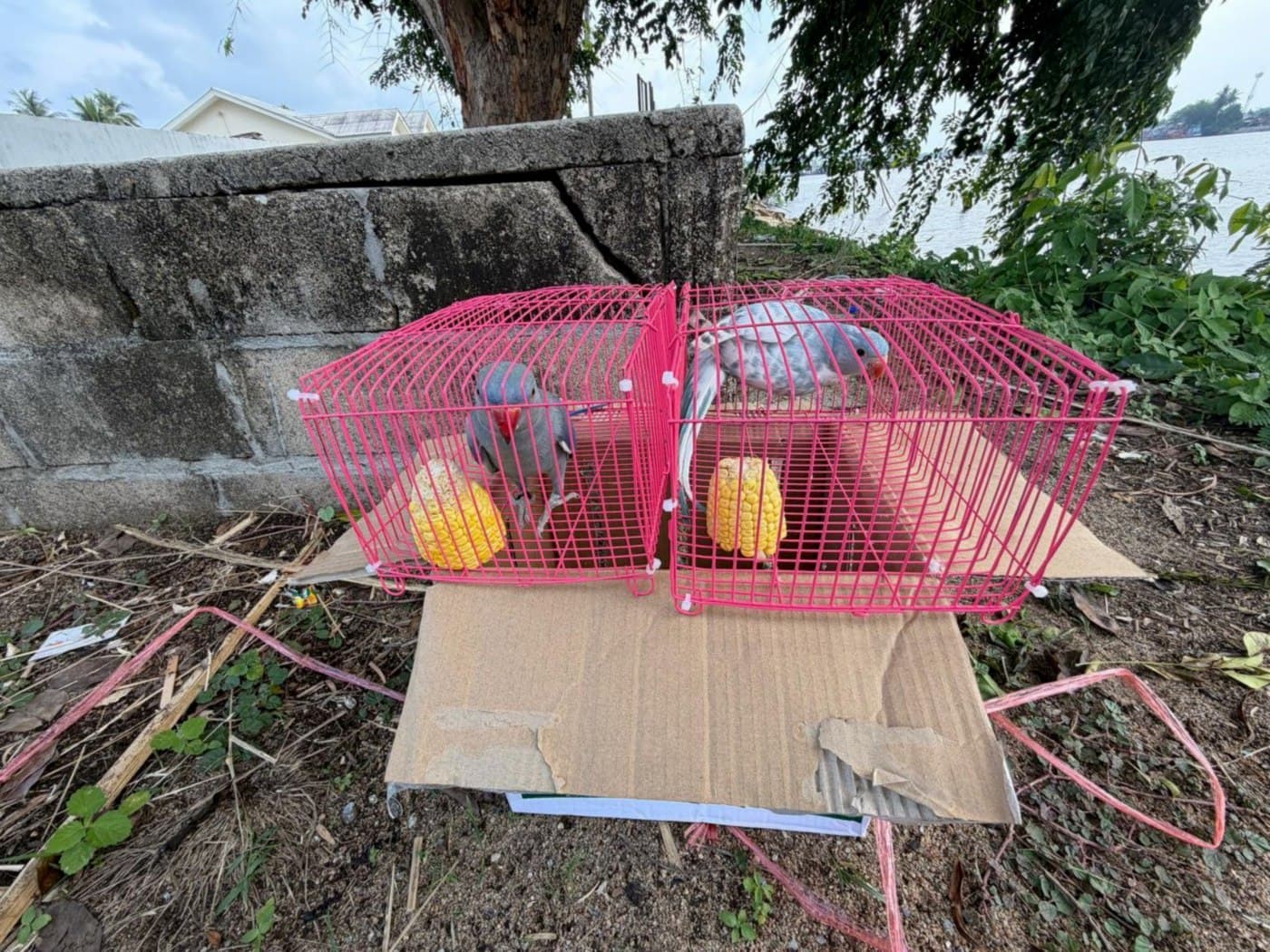
A bird that arrives through a side jetty, changes hands fast and has no permit trail is not a normal rehome. That was the pattern on the Thai border near the illegal Kak Nah jetty in Pengkalan Kubor, Tumpat, where the General Operations Force intercepted a smuggling attempt and found two blue-and-gold macaws and two blue-fronted Amazon parrots abandoned in cages after a suspect fled by boat toward the Thai bank.
The seizure happened on June 2, 2026 and was made public the next day. Bernama reported the four birds were valued at RM100,200, while other reports put the figure at about RM100,000. Officers said the man had been unloading cages when the strike-force team moved in, then escaped across the river. The birds were believed to have been brought in without valid permits and were likely meant for local buyers, a detail that turns a border bust into a warning about how high-demand companion parrots move through illegal trade channels.

Authorities handed the case to Perhilitan for further action under Malaysia’s Wildlife Conservation Act 2010, Act 716, which commenced on December 28, 2010 and was later amended by the Wildlife Conservation (Amendment) Act 2022. The law sits at the center of enforcement on this stretch of Kelantan river border, where the Malaysian Maritime Enforcement Agency and other units have been pushing patrols and monitoring to curb wildlife smuggling.
The species involved make the risk especially clear. Blue-and-gold macaws are listed in CITES Appendix II, which covers species that can become threatened if trade is not tightly controlled. BirdLife International says the species has been heavily traded, with 55,531 wild-caught birds recorded in international trade since 1981. Blue-fronted Amazon parrots are also CITES-listed, putting their international movement under similar controls. For birds, that paperwork gap is not just a legal issue. It can mean stress, dehydration, rough transport and exposure to disease long before a buyer ever sees the cage.

Kelantan has seen this pattern before. In May 2025, officers in the same border area foiled another exotic-bird smuggling case near Pengkalan Kubor and seized three exotic parrots and a white peacock valued at RM65,000. The abandoned cages at Kak Nah jetty show how quickly a charismatic parrot can move from riverbank smugglers to the pet trade, and why the real warning sign is often the route, not just the bird.
This article was produced by Prism’s automated news system from verified source data, official records, and press releases, then run through automated quality and moderation checks before publishing. The system is built and supervised by the people who set the standards it runs under. Read our full AI policy.
Did this article answer your question?