Mystery green parakeet in Riverdale sparks debate over escaped pet or wild bird
A green parakeet named Houdini turned a Riverdale balcony bump into a lost-bird hunt, raising the question: escaped pet or wild monk parakeet?
Carla Olinger was reading the newspaper on May 23 when a neighbor waved her over to a balcony door and pointed out a green parakeet that had just flown into it. Olinger, who said the bird looked calm and quickly earned the name Houdini, followed the story as sightings stacked up from Independence Avenue and West 237th Street to Hudson Manor Terrace and, later, Hayden on the Hudson. The immediate lesson for bird people was plain: a small green parakeet can disappear into a neighborhood in a hurry, then turn into a full-scale search before the day is over.
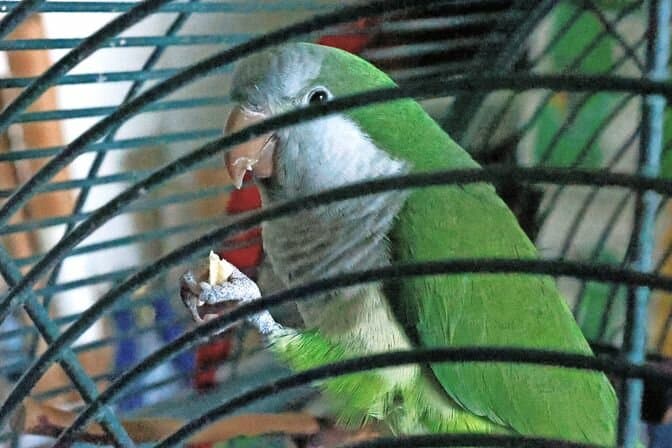
The identification debate centered on monk parakeets, also called monk parrots or Quaker parrots, a social South American species that established wild U.S. populations in the 1960s and is known for communal stick nests on trees, power poles and other human-made structures. Cornell says males and females look alike externally, which is why Olinger could not tell Houdini’s sex, and the lack of a leg band pushed her to suspect an escaped pet. At the same time, New York State materials say the state’s wild monk parakeets likely descend from legally imported birds from Argentina and number fewer than 1,000, with colonies in parts of New York City and lower Westchester County.

That gray area is why the bird’s backstory matters. Audubon says the old JFK crate legend is murky, with versions placing the escape in 1968, 1969 or the early 1970s, and notes that the species is now an established introduced bird in New York and other cities rather than a single-tale curiosity. Monk parakeet colonies can also create utility problems, since their nests may interfere with power equipment and raise concerns about outages and fires. Cornell adds that the birds in the U.S. often feed on ornamental fruit trees and seeds, which fit Houdini’s behavior when Olinger saw the bird take Nutri-Berries, fruit and corn from her hand without looking thin or injured.
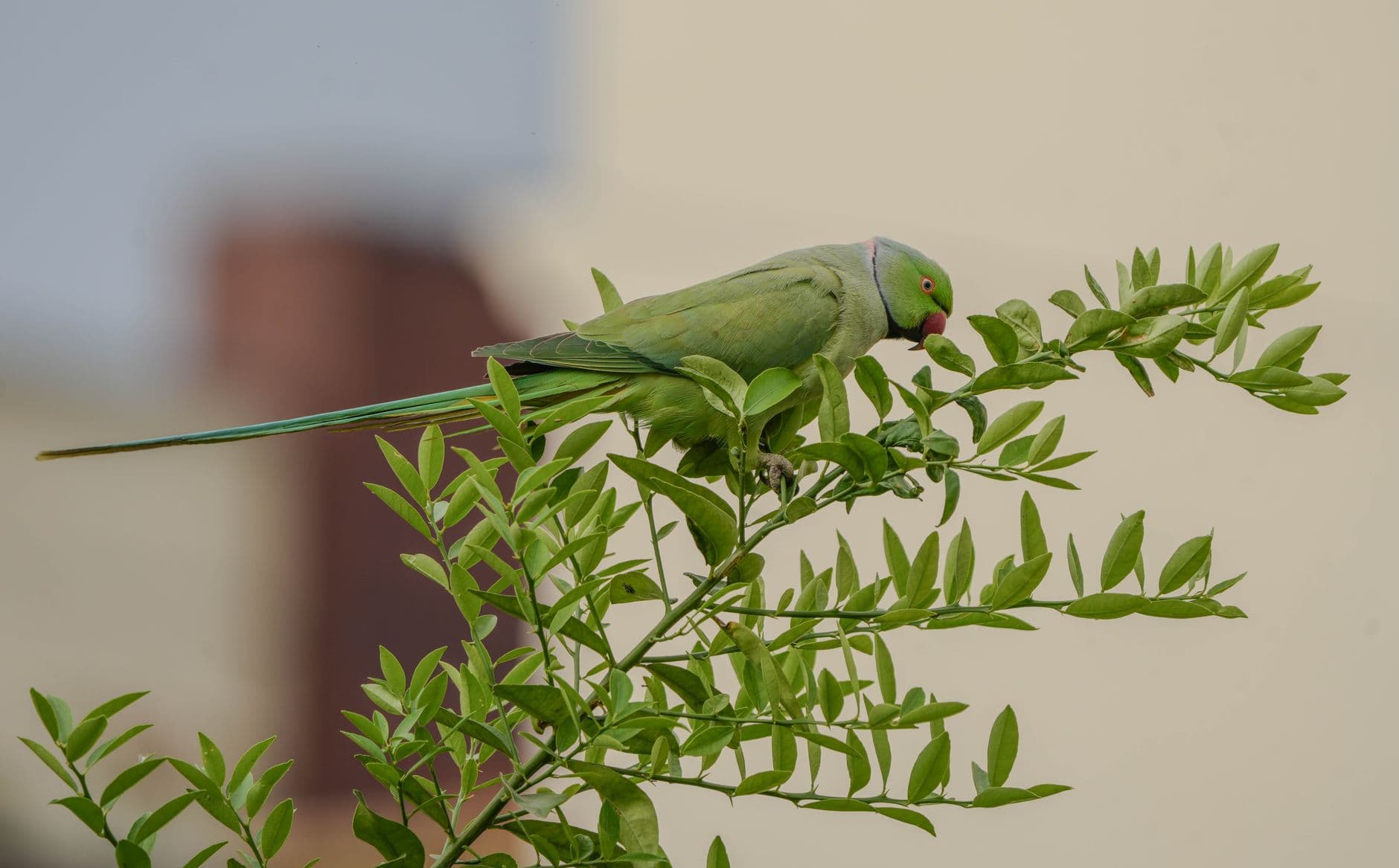
For owners, the first 24 hours after a bird gets out should be treated like a recovery sprint. Keep calm, track the bird’s direction visually, call it by name, and if it lands nearby, use the familiar cage and favorite treats rather than chasing it; if you have another friendly parrot, its cage or voice can help lure the lost bird down. At the same time, build the neighborhood net fast: alert local vets, shelters, pet stores and bird clubs, hang flyers, tell neighbors and kids, and post the bird on lost-and-found systems such as ParrotAlert and 911 Parrot Alert. Houdini’s Riverdale cameo was charming, but it also showed how quickly a balcony sighting can become a rescue mission.
This article was produced by Prism’s automated news system from verified source data, official records, and press releases, then run through automated quality and moderation checks before publishing. The system is built and supervised by the people who set the standards it runs under. Read our full AI policy.
Did this article answer your question?