Natural Encounters offers live online parrot behavior and training course
Natural Encounters’ live online parrot course brings structured, humane training to your screen, with July and August sessions built around trust, behavior, and positive reinforcement.
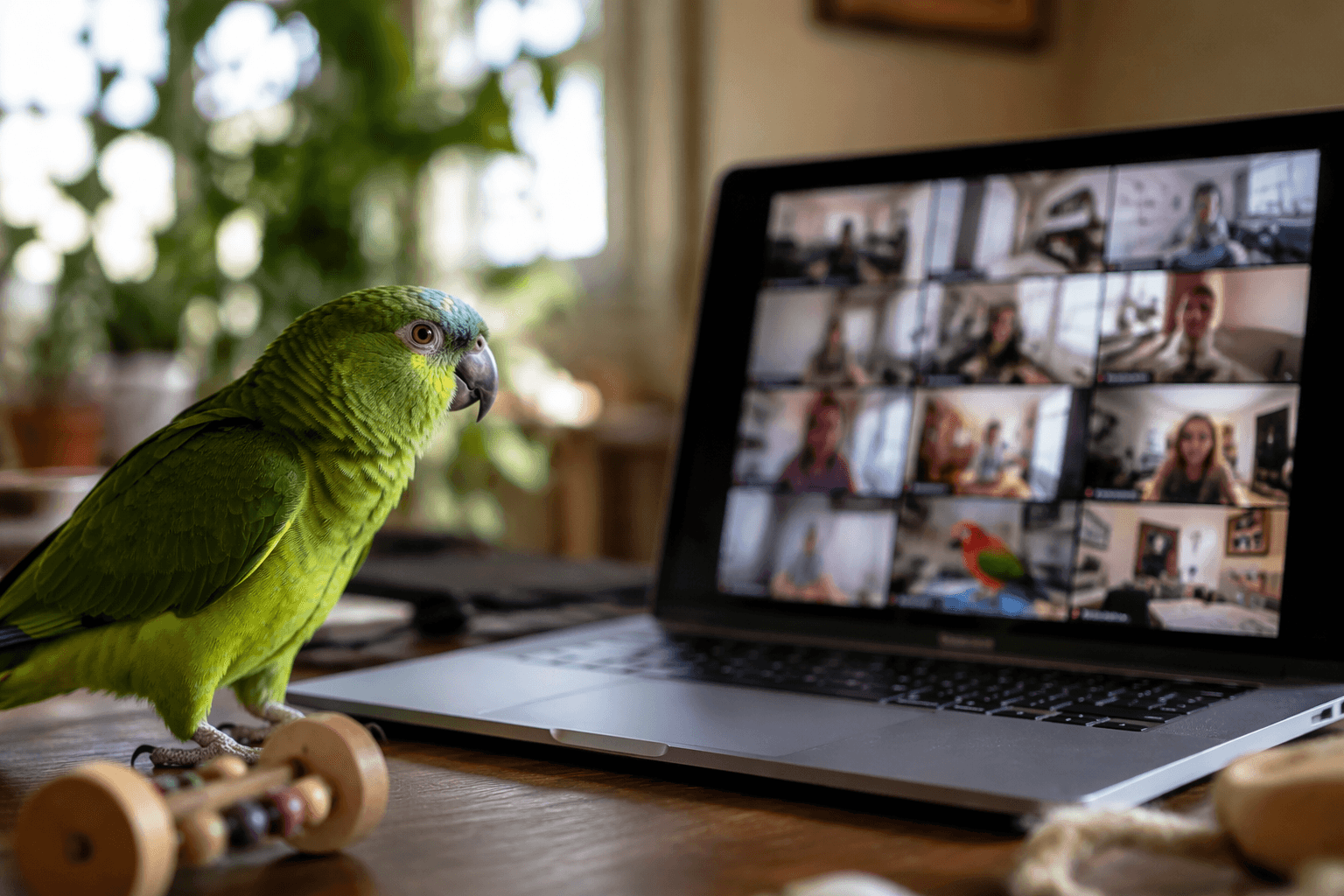
Natural Encounters’ three-session online parrot behavior and training course runs on Tuesday evenings, with meetings on July 21, July 28 and August 4. The first two sessions are listed from 7:00 to 9:00 PM EDT. Registration moves from a Square payment link to Zoom webinar sign-up, making this a remote class for bird owners who want expert guidance without relying on scattered clips or outdated dominance advice.
A live course built for real household problems
The course title tells you exactly where the focus lies: parrot behavior and training, not a generic pet-care overview. Many daily frustrations, from biting to loud calling, are often treated as obedience problems when they are really communication, fear or learned habits shaped by the bird’s environment. A live format gives participants a chance to hear the reasoning behind each technique, then return with questions as the sessions progress.
Natural Encounters’ online courses are aimed at animal trainers, educators and animal care professionals who want contemporary information on training, team behavior and educational programs. The classes are built around 90-minute PowerPoint presentations followed by live discussion, which gives the course a more interactive feel than a pre-recorded webinar. That format is especially useful for people working through behavior issues at home, because the details behind a bird’s body language or handling response often matter more than a one-size-fits-all tip.
Why the curriculum speaks to parrot owners
Natural Encounters has long framed parrots as complex companions rather than easy pets. In The Anatomy Of Parrot Behavior, the organization calls parrots among the most misunderstood companion animals and says many are genetically influenced to be loud, independent and monogamous. The same traits that serve parrots well in the wild, including loud calls, strong beaks and strong pair bonds, can make them challenging household animals.
That is why a structured course is a practical upgrade for committed owners. Instead of chasing random advice, you get a framework for reading the bird in front of you, building trust and lowering stress around handling. The payoffs are the ones parrot homes know best: fewer bites, less screaming, easier cage transitions, smoother vet visits and a more cooperative relationship overall.
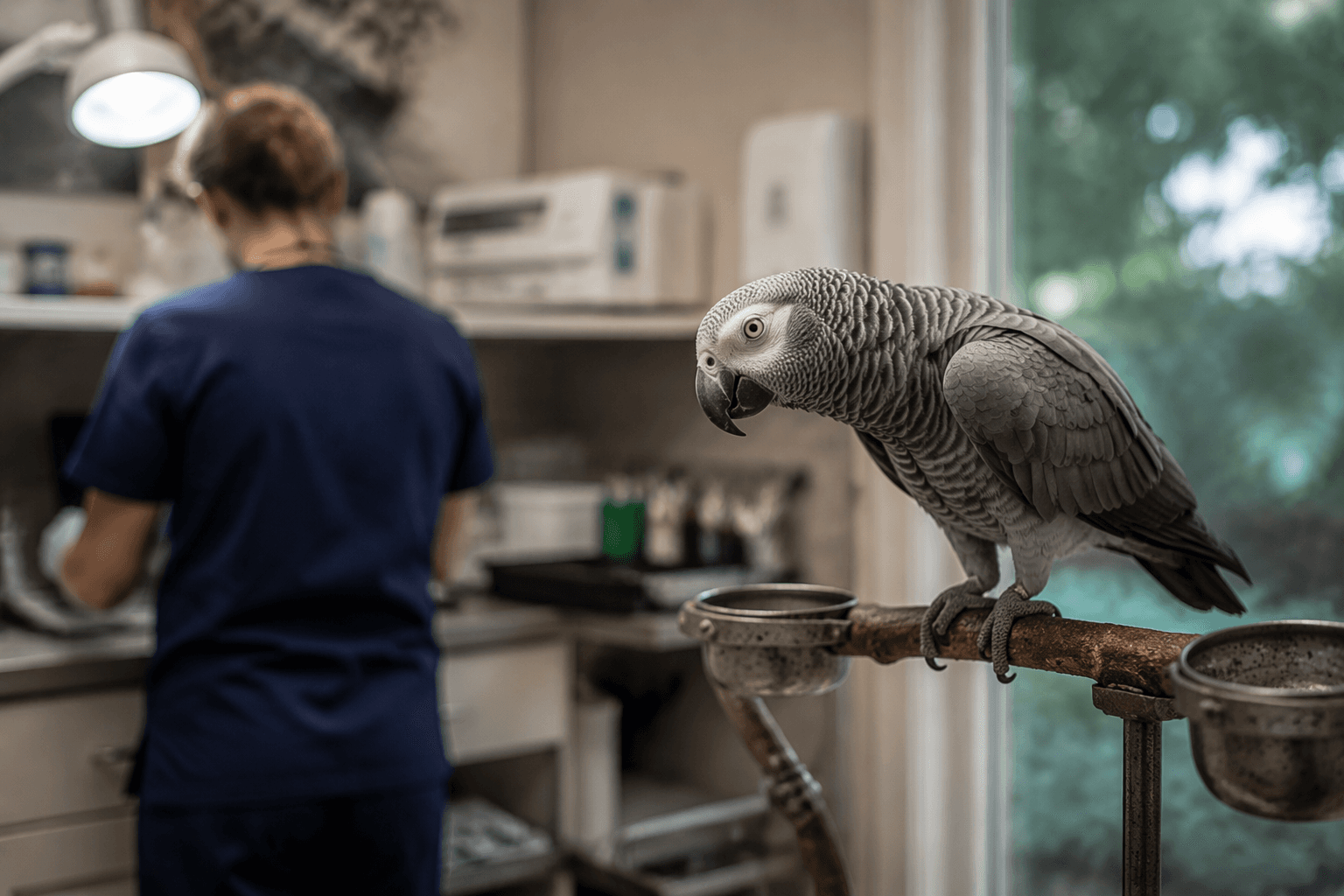
The course also fits especially well for newly rehomed birds. Those parrots often arrive with histories that demand patience, predictable routines and training that respects prior experiences rather than trying to override them. In that setting, a class built around behavior and communication is far more useful than a checklist of isolated tricks.
The training philosophy behind the class
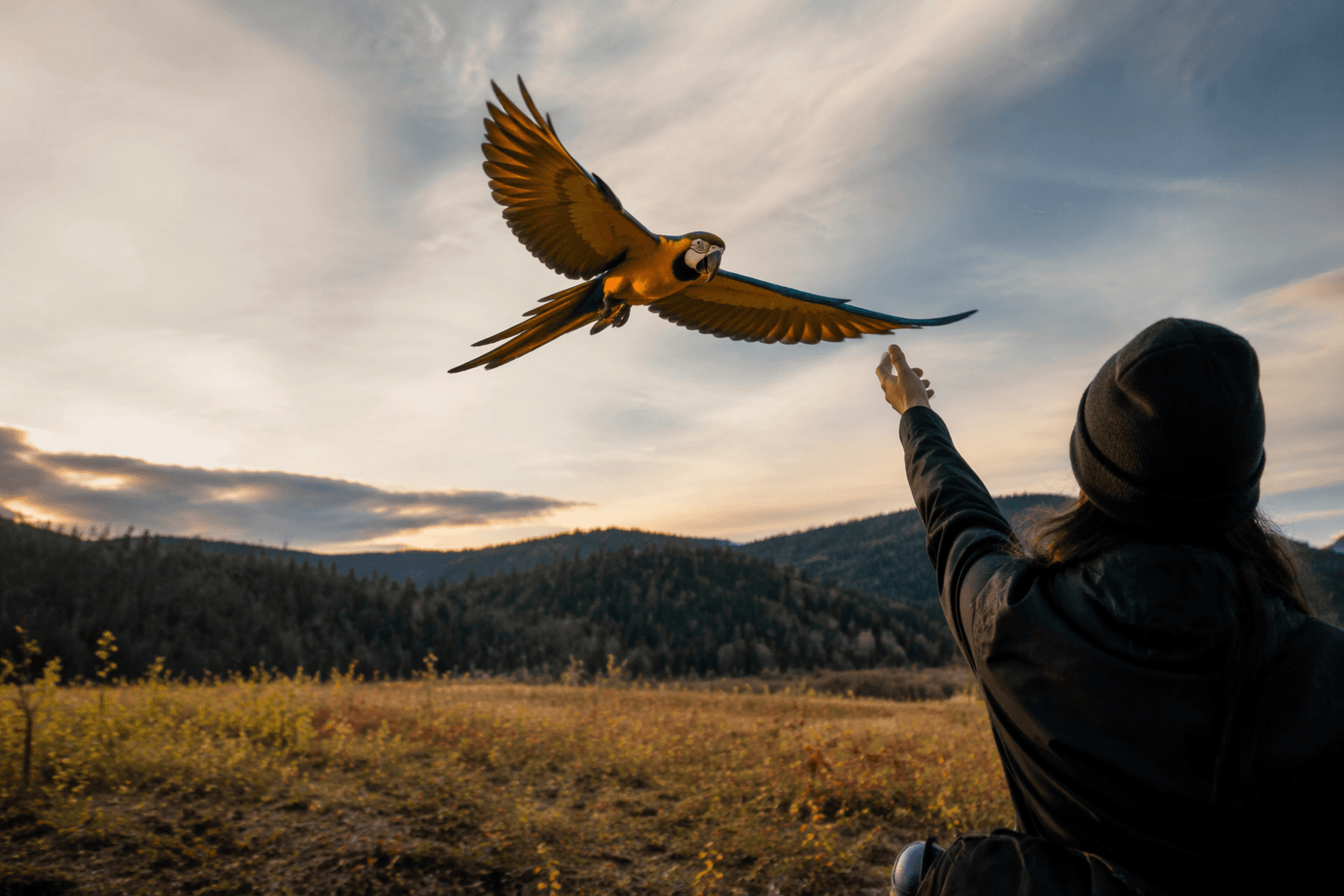
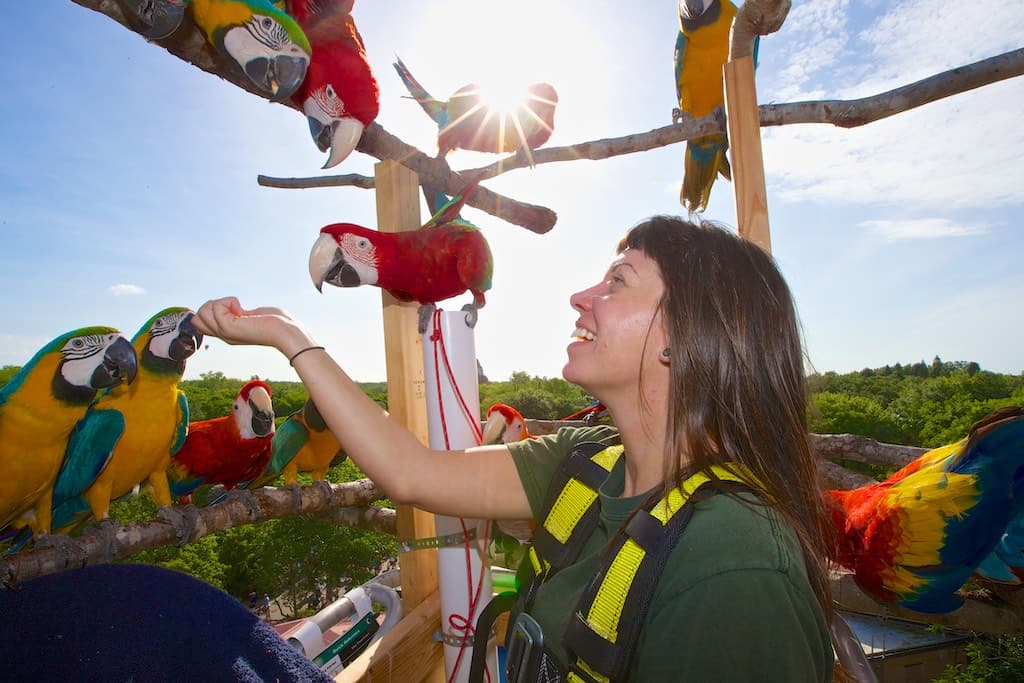
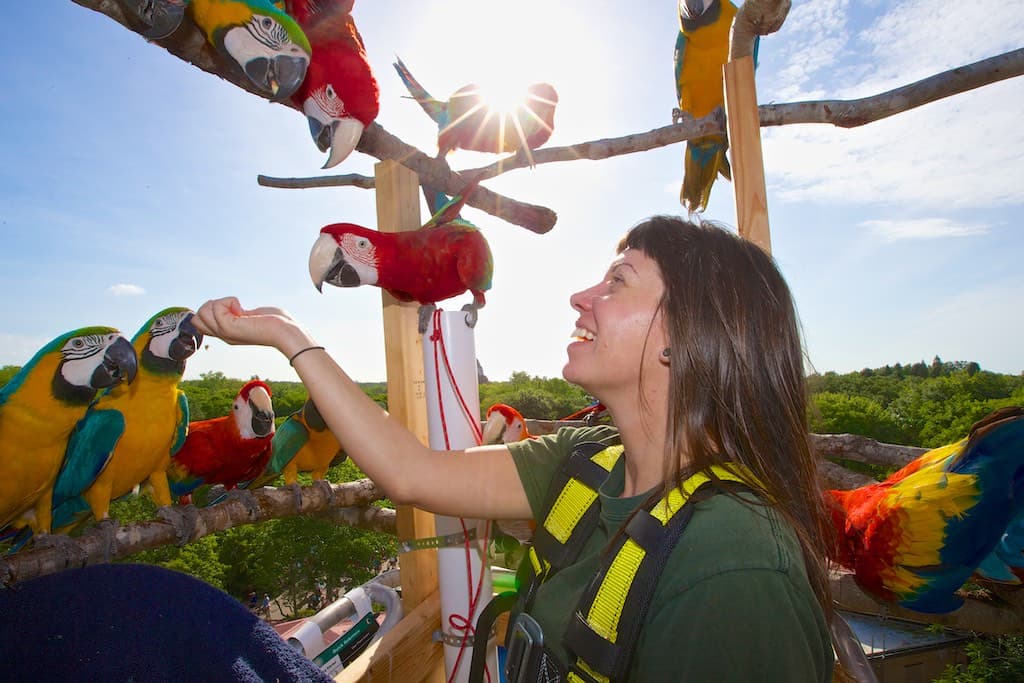
Steve Martin, the company’s president and CEO, pioneered free-flight bird training and voluntary participation in care using positive reinforcement techniques.
In The SECRET of Training Birds, Natural Encounters says coercive techniques are giving way to kinder, gentler approaches that make animals willing participants. Antecedent influences and motivating operations affect an animal’s motivation to engage in training. For parrot owners, what happens before the behavior often matters as much as the behavior itself.
That approach is a better match for birds than old-school dominance thinking. When a bird is afraid, overstimulated or guarding a resource, punishment usually escalates the problem instead of solving it. Positive reinforcement, by contrast, gives you a way to build reliability without eroding the bird’s trust, which is the foundation for safer handling and better long-term behavior.

Part of a broader education pipeline
Natural Encounters has served more than 130 facilities in over 25 countries. Its 2026 NEI TEC curriculum highlights workshops and events across in-person, virtual and mixed formats, so the parrot course sits inside a larger teaching program rather than as a one-off offering.
That wider setup also includes the TEC Talk Library, which gives access to past sessions for people who could not attend live. For bird keepers, live classes are not always easy to catch in the moment, especially when schedules are stacked around feeding, cleaning and work. It keeps past sessions available after the live class.
This article was produced by Prism’s automated news system from verified source data, official records, and press releases, then run through automated quality and moderation checks before publishing. The system is built and supervised by the people who set the standards it runs under. Read our full AI policy.
Did this article answer your question?