NW Parrot Rescue guide explains the 3-3-3 rule for new birds
A new parrot’s first three days can set the tone for everything that follows. NW Parrot Rescue’s 3-3-3 framework turns that move-in chaos into a calmer plan.
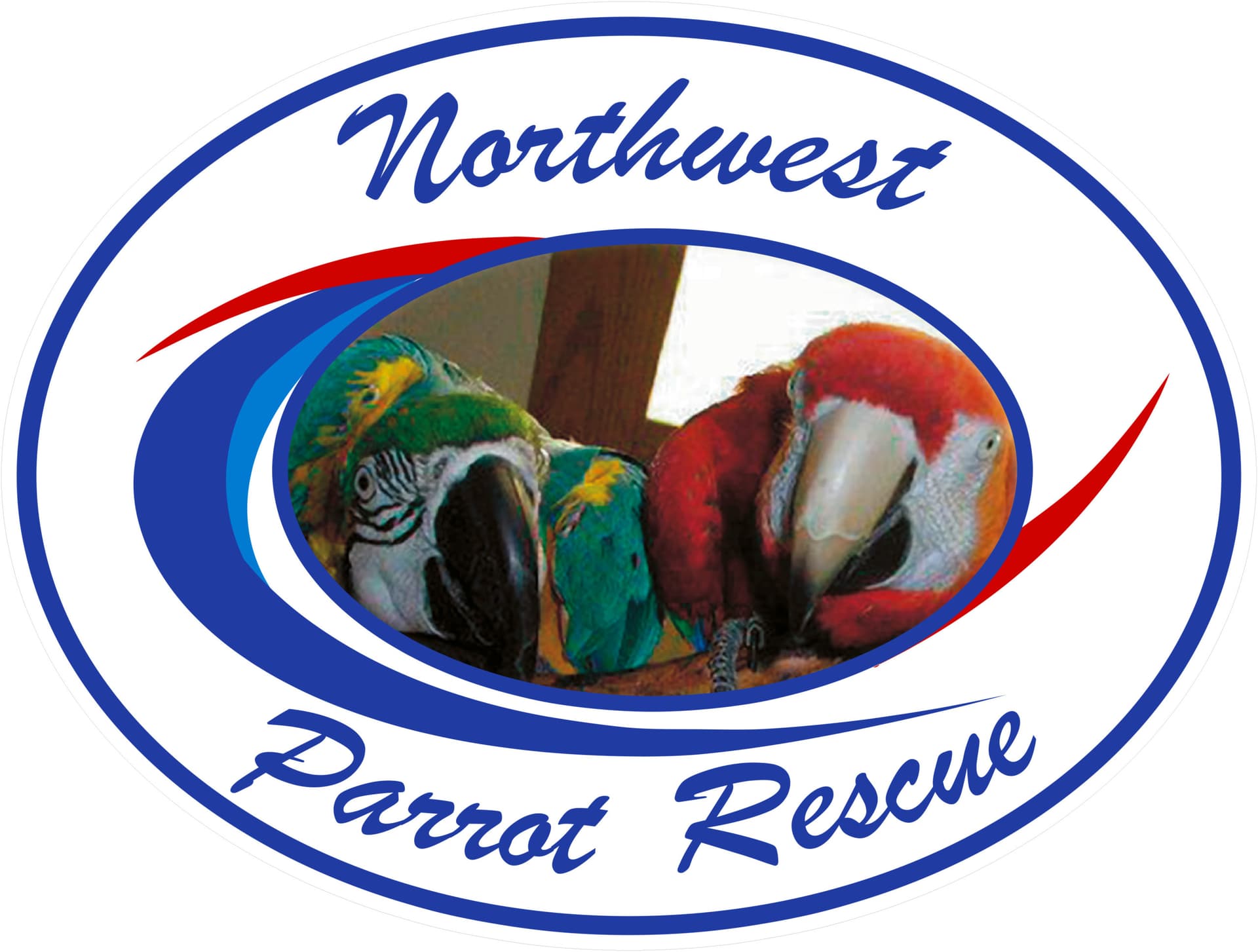
A new cage, a new room, new voices, and a new set of hands can be a lot for a parrot to process at once. NW Parrot Rescue treats that first stretch as a true adjustment period, not a test of personality, and centers it on the 3-3-3 rule to keep people from moving too fast. The Vancouver, Washington, rescue frames the transition around patience, structure, and the bird’s own comfort; the page is attributed on-site to Christopher Driggins.
The first three days are about decompression
The 3-3-3 rule starts with the simplest, hardest lesson in parrot adoption: a bird that looks frozen, wary, or reactive is often overwhelmed, not ungrateful or “difficult.” In the first three days, the goal is to let the bird observe the room, eat without pressure, and hear the household without being chased into interaction. That means cage placement, noise level, and visitor traffic matter immediately, because a bright, busy corner can turn a move-in into a stress spike.
This is the moment to keep expectations low and the environment predictable. A parrot that has just crossed into a new home needs time to map where the cage sits, which voices belong to which people, and whether any part of the room feels safe enough for a first sip of water or a first bite of food.
The first three weeks are when routine starts to speak
After the initial shock wears off, the next three weeks are where the bird begins to learn the rhythm of the household. NW Parrot Rescue treats this phase as the beginning of routine and trust-building, when feeding times, cover time, and daily handling choices start to teach the bird what to expect. For a parrot, that predictability is often more valuable than a flurry of attention.
This is also where many people discover how much a bird’s behavior changes once it no longer feels like it is bracing for the next unfamiliar thing. Appetite can steady, vocalizing can become more legible, and exploration may start in small, cautious steps. Parrots are intelligent, sensitive, curious animals, and bird care can be much more challenging than many people anticipate.
The first three months reveal the bird underneath the stress
The final part of the 3-3-3 rule is the long reveal. Over roughly three months, the bird’s comfort level, preferences, and behavior patterns often become clearer, which is why rescues and experienced bird homes push people to wait before deciding they know the full personality in the carrier. A parrot that was withdrawn in week one may become playful, chatty, or demanding once it finally feels safe.
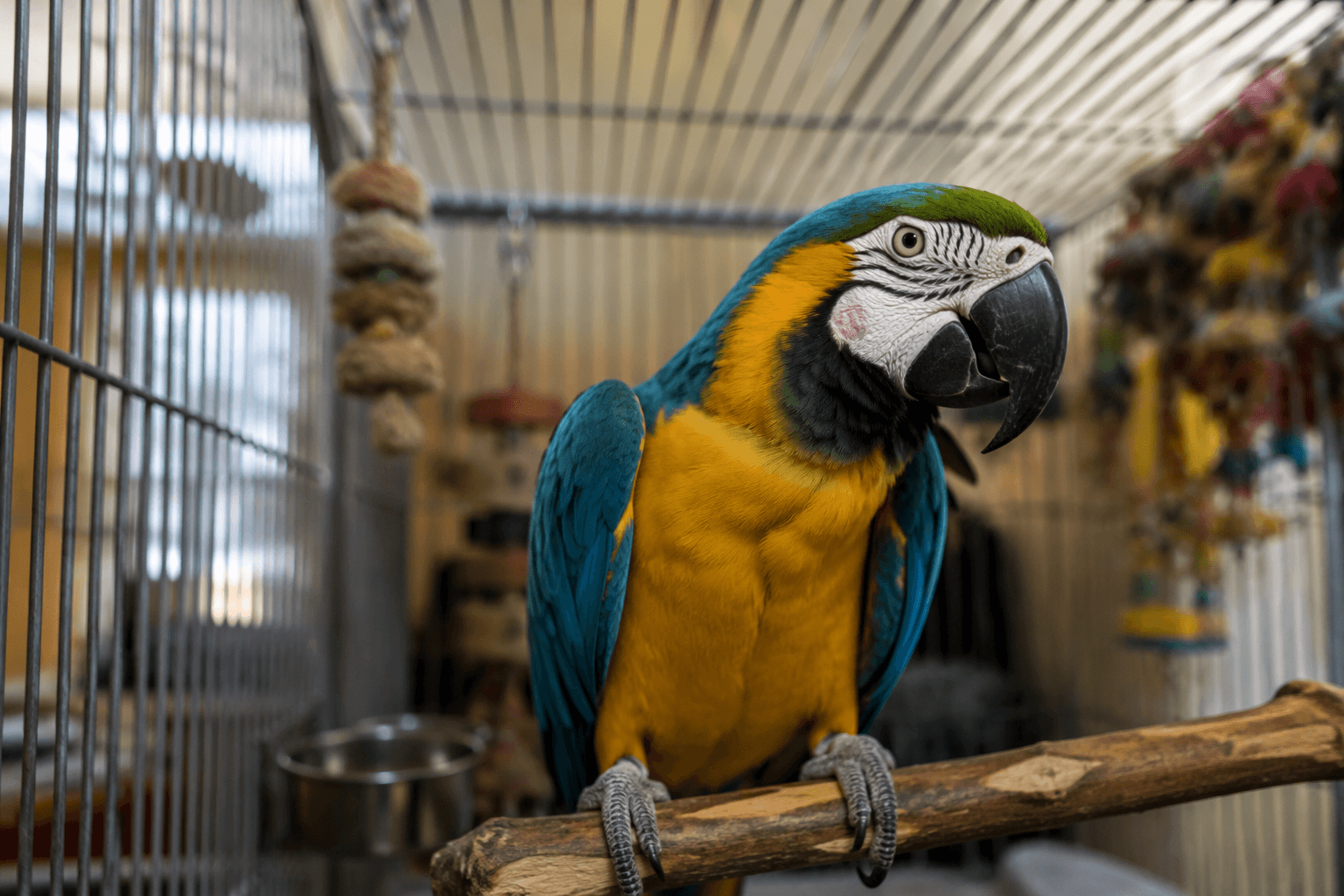
Many rescued parrots have been through multiple homes and may have special needs, which makes this slower timeline even more important. Best Friends’ Parrot Garden puts some parrots’ lifespans at 100 years, so a new placement is not a short-term experiment.
Body language is the first language to learn
Before you ask a new parrot to step up, touch a toy, or accept a hand, watch the body. Some birds do not like human hands on them, which is a reminder that physical contact should follow comfort, not the other way around. Stiff posture, withdrawal, and avoiding contact are not invitations to push harder; they are cues to slow down.
Avian veterinarian and behaviorist Dr. Jan Hooimeijer has linked unhealthy behaviors to the way people relate to parrots, a point cited in Best Friends’ training material. When handling is rushed, fear can turn into biting, shutdown behavior, or other neurotic patterns that become harder to unwind later.
Why rescues build acclimation into the adoption story
The 3-3-3 rule fits neatly into rescue work because many parrots arrive after upheaval, not from a clean slate. Companion Parrots Re-homed’s exclusive mission is to accept companion parrots from unwanted, emergency, or crisis situations throughout the Greater Charlotte, North Carolina area, and it pairs that work with training and education to place birds into new adoptive homes.
Best Friends’ resources include guidance on new-home acclimation, and Lafeber Pet Birds’ materials address communicating with parrots. Reba’s Animal Rescue also uses the 3-3-3 rule as a standard adoption adjustment concept.
This article was produced by Prism’s automated news system from verified source data, official records, and press releases, then run through automated quality and moderation checks before publishing. The system is built and supervised by the people who set the standards it runs under. Read our full AI policy.
Did this article answer your question?