Parrot Club to spotlight avian heart disease in May Zoom talk
A slowed gait, heavier breathing or a sudden wobble can point to more than age, and The Parrot Club put those warning signs at the center of its May Zoom talk.
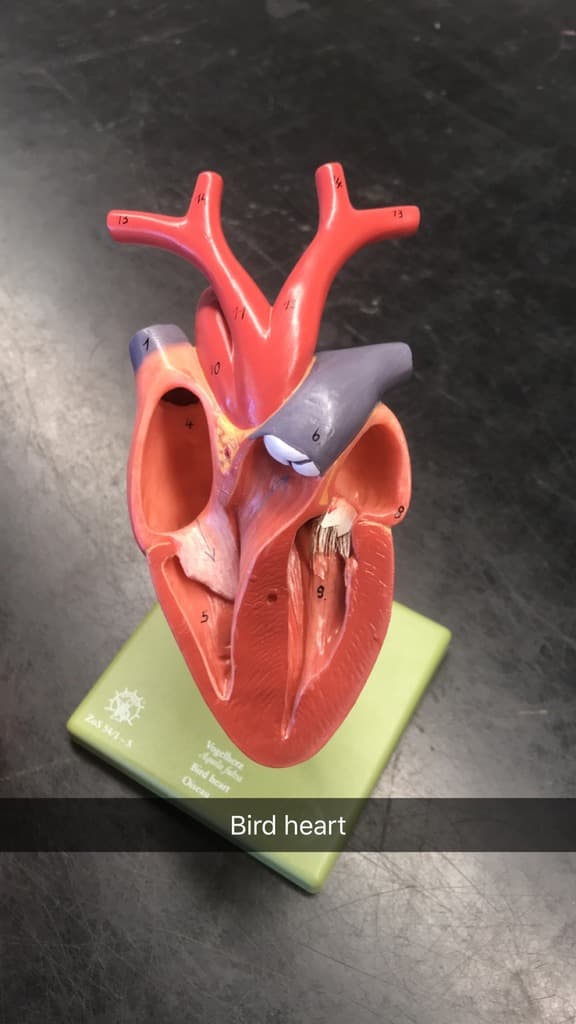
A parrot that looks a little slower, a little winded or a little unsteady may be showing the first signs of heart disease, not just aging. That warning sat at the center of The Parrot Club’s Zoom talk with board-certified avian specialist Dr. Kristin Sinclair, who walked viewers through the cardiovascular problems that are becoming more common in companion parrots.
The club scheduled the meeting for Tuesday, May 19, 2026, at 7 p.m. ET. The talk named atherosclerosis, congestive heart failure and strokes as conditions owners should know about, and it framed avian cardiology as a growing part of everyday parrot care as birds live longer lives.
Sinclair brought a long veterinary training path to the discussion. She earned her DVM at the University of Tennessee in 2005, completed a small animal rotating internship at Garden State Veterinary Specialists in 2006, followed with an avian and exotics internship at Broward Avian and Exotic Animal Hospital in 2007, and finished a residency in Companion Animal and Exotic Pet Medicine and Surgery at the University of California, Davis in 2011. She became board certified in avian medicine in 2012, and a later professional profile lists her as ABVP certified in avian practice and exotic companion mammal practice.
The concern, veterinarians say, is that heart disease in parrots often hides in plain sight. Psittacine birds, especially Amazon parrots, macaws and African grey parrots, are at higher risk, and the biggest contributors include lack of exercise, high-fat diets and high cholesterol. Warning signs can look like respiratory trouble instead of a cardiac problem, including weakness, sluggishness, faster or more labored breathing, trembling or sudden loss of balance.

That is why the club’s timing mattered. The Parrot Club, founded in 1974 and describing itself as Connecticut’s oldest companion bird club, said it meets mostly online over Zoom and records most meetings for YouTube, widening access to veterinary education for owners far beyond Connecticut. The cardiology session fit that model, pairing practical prevention with a specialist who has spent years inside avian medicine.
The larger research picture backs up the urgency. A JAVMA study reviewed 7,683 psittacine birds and found 525 with advanced atherosclerosis, while later reviews described atherosclerotic lesions as prevalent in companion psittacine species. A 2024 paper reported postmortem prevalence ranges from 1.9% to 91.8% in parrots, and UC Davis researchers continue to study imaging and atorvastatin treatment approaches. For owners, the message from the May Zoom talk was blunt: by the time a parrot looks “old,” the heart may already be asking for help.
This article was produced by Prism’s automated news system from verified source data, official records, and press releases, then run through automated quality and moderation checks before publishing. The system is built and supervised by the people who set the standards it runs under. Read our full AI policy.
Did this article answer your question?