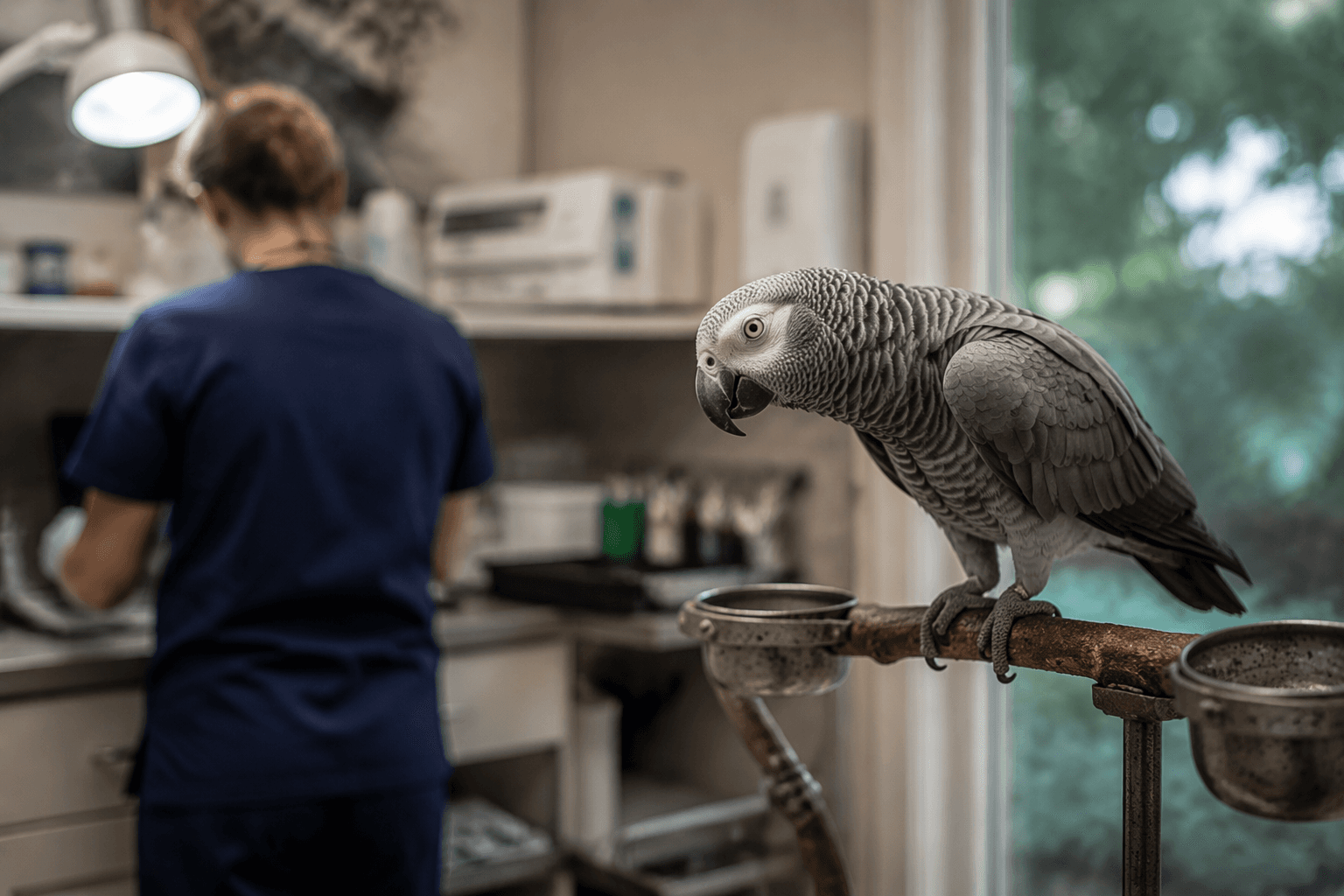
PEAC spotlights parrot behavior and enrichment in monthly classes
PEAC is treating behavior class as prevention, not cleanup: its July 26 seminar teaches owners to catch boredom before it turns into screaming or feather-plucking.
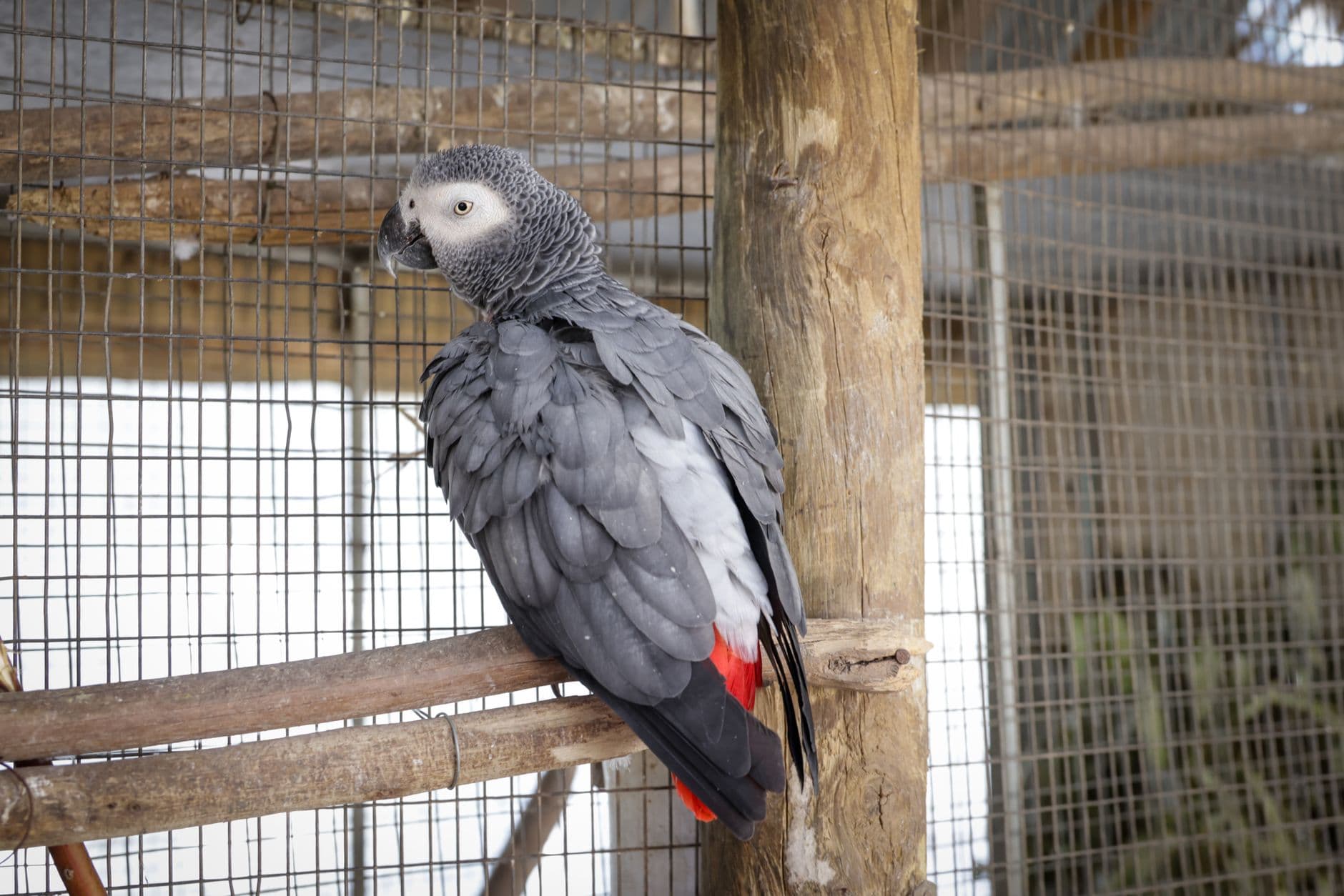
The Parrot Education & Adoption Center will hold a Virtual Adoption Seminar on Parrot Behavior and Enrichment for Parrots on Sunday, July 26, 2026, from 1:00 p.m. to 4:00 p.m. Pacific time, with more dates already lined up for August and September. At PEAC, parrot behavior and enrichment are framed as the first line of prevention, not a cleanup crew for a bird that is already screaming, biting, or pulling feathers.
A class built around early care, not crisis management
The seminar is part of PEAC’s adoption and volunteering process, but it is open to anyone who wants to learn. It is a practical entry point into the daily realities of living with a parrot, where small changes in stimulation and routine can shape the whole household.
The logistics are straightforward. Registration closes three hours before start time, class times are in Pacific time, and Zoom links are emailed during the week before the class and again the day before. The seminar is virtual, which lowers the barrier for people who want structured guidance without needing to travel.
PEAC also sets a clear price structure: the class is free for members and costs $10 for non-members. Volunteers can attend regardless of membership status.
Why behavior and enrichment matter so much
Birds that do not get enough stimulation can develop biting, screaming, and feather-pulling behaviors, and the Merck Veterinary Manual identifies boredom as a major driver of those unwanted habits. In other words, a loud or destructive parrot is often not being “bad” so much as being under-served.
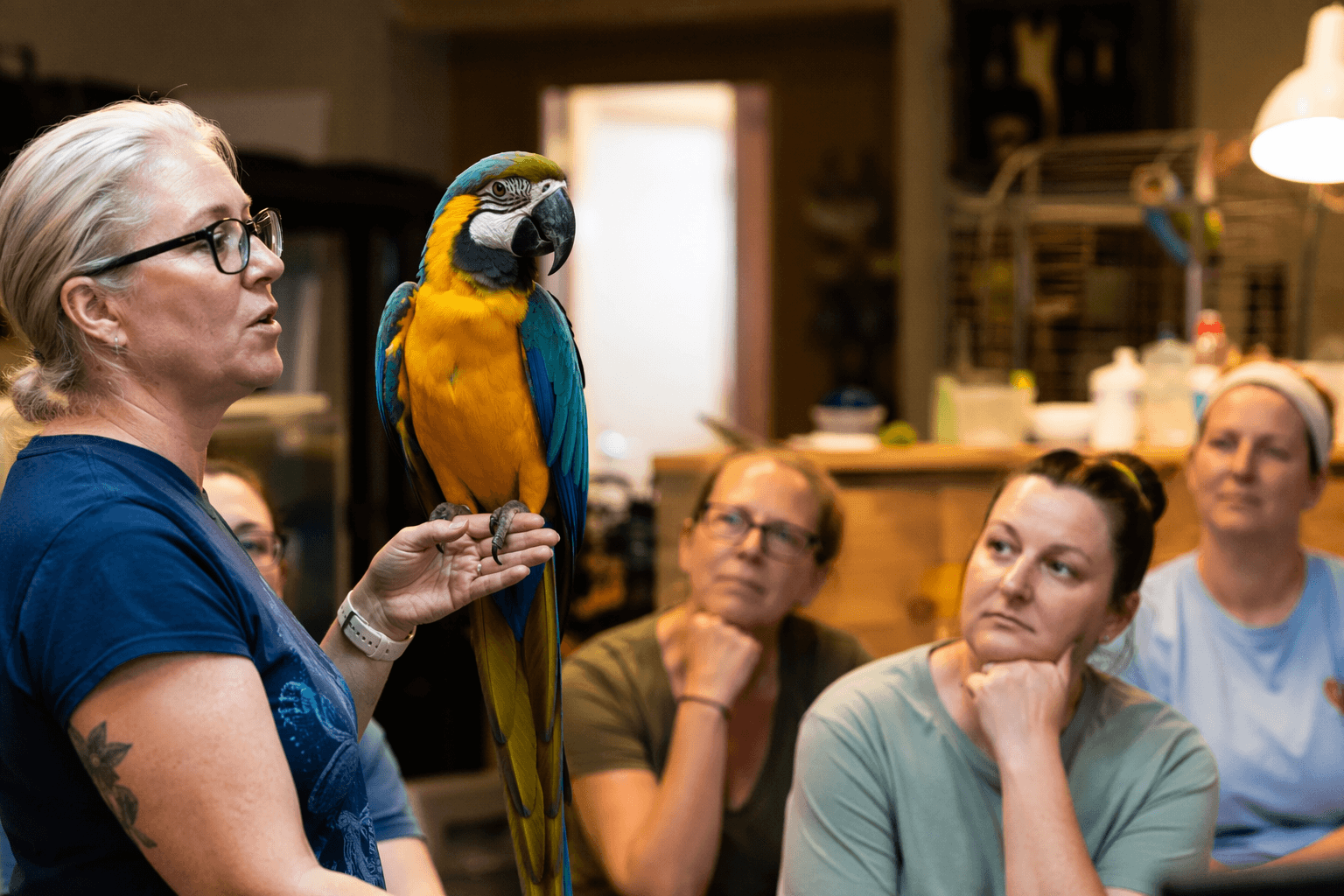
Feather plucking is especially important to read carefully. Feather destructive behavior can range from mildly excessive preening to severe self-mutilation, and its causes can be medical or psychological. Stress, boredom, and sexual frustration are all on that list, which means a plucking bird is not just displaying a nuisance habit, but sending a welfare signal that deserves attention.
The Association of Avian Veterinarians’ enrichment framework divides enrichment into five categories: sensory, nutritional, manipulative, environmental, and behavioral. Taken together, those five buckets turn enrichment from a vague idea into a practical checklist for daily life with a bird.
What the five-part enrichment framework changes at home
PEAC’s seminar teaches people to read those five categories before they become problems. Sensory, nutritional, manipulative, environmental, and behavioral enrichment are not separate hobbies for a parrot to sample on weekends. They are the structure that keeps a bird occupied enough to stay healthy in a home setting.
In practical terms, that means the right question is not whether a parrot has “toys,” but whether the bird’s day has enough variety to satisfy several different needs at once. A bird that can see, touch, work, chew, move through its space, and engage with people or tasks is less likely to slide into the boredom patterns Merck associates with biting, screaming, and feather loss.
Enrichment works best as part of the day’s rhythm rather than an occasional treat. PEAC’s class puts that logic into a structured lesson instead of leaving people to guess after the first scream or the first bare patch of skin.
Who benefits most from showing up
This class is especially relevant for people thinking about adoption, volunteer work, or a first serious bird. PEAC’s adoption policies require potential adopters to complete an online Avian Basic Care seminar, attend two seminars on Parrot Behavior and Enrichment for Parrots, and then spend hands-on time with a bird at least three times under volunteer supervision before adopting a specific parrot. The sequence puts preparation before placement.
AVMA pet-bird guidance states that avian veterinarians play an important role in keeping birds healthy throughout life, and it warns prospective owners not to assume that smaller parrots require less skill, knowledge, or commitment. For anyone tempted to think a small bird means an easy bird, that reminder can change a bad match before it starts.
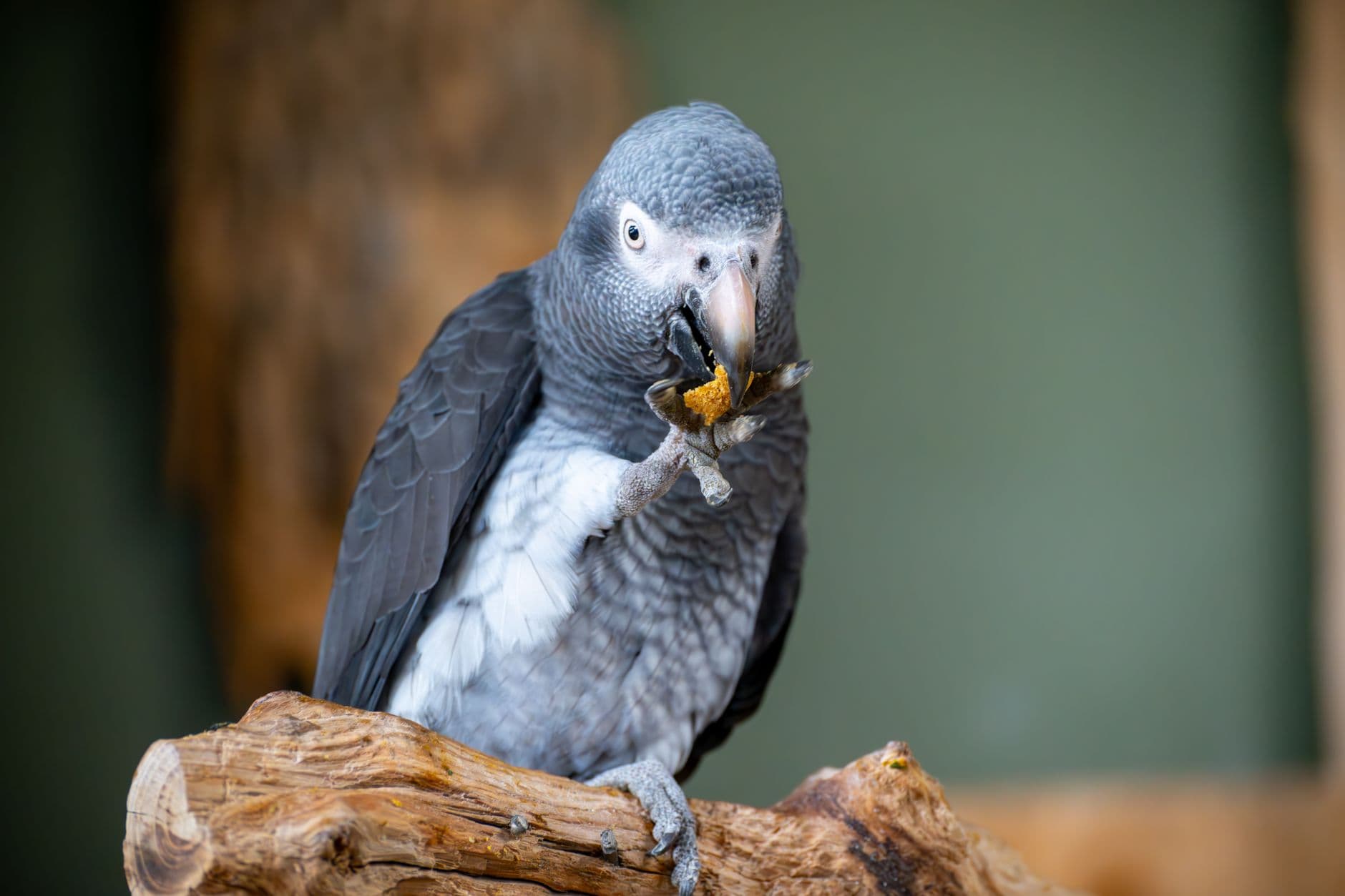
Merck says African gray parrots can live 30 to 50 years and are known for intelligence and behavior challenges. That combination makes them the kind of bird for whom behavior and enrichment are not optional extras, but part of the basic contract of care.
Why PEAC uses the class as a doorway
PEAC began operations in 1996, is based in San Diego, and serves Southern California as a 501(c)(3) volunteer organization. Its monthly class calendar gives the group a repeatable way to prepare adopters and volunteers before they get close to the birds.
This article was produced by Prism’s automated news system from verified source data, official records, and press releases, then run through automated quality and moderation checks before publishing. The system is built and supervised by the people who set the standards it runs under. Read our full AI policy.
Did this article answer your question?