Pet parrots eagerly start video calls to socialize with other birds
Parrots did not just watch screens: in two studies, they chose live bird calls, preened, sang and played on tablets and smartphones.
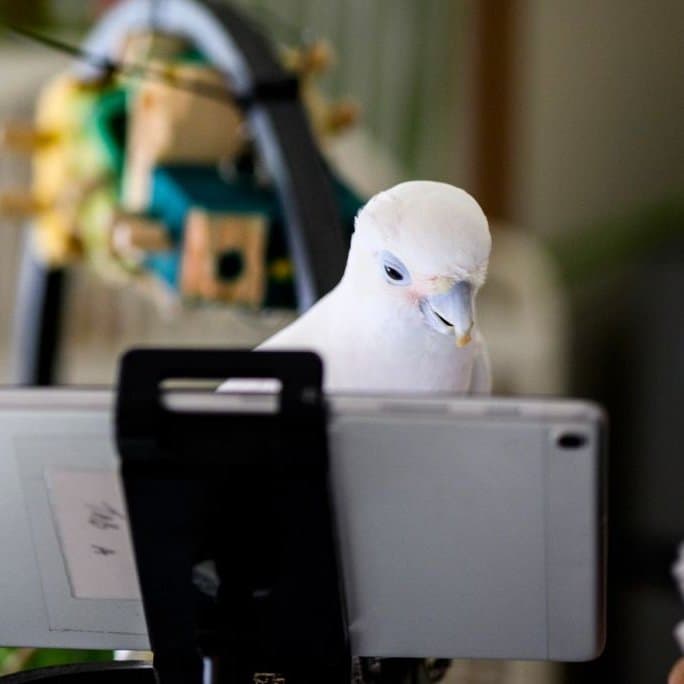
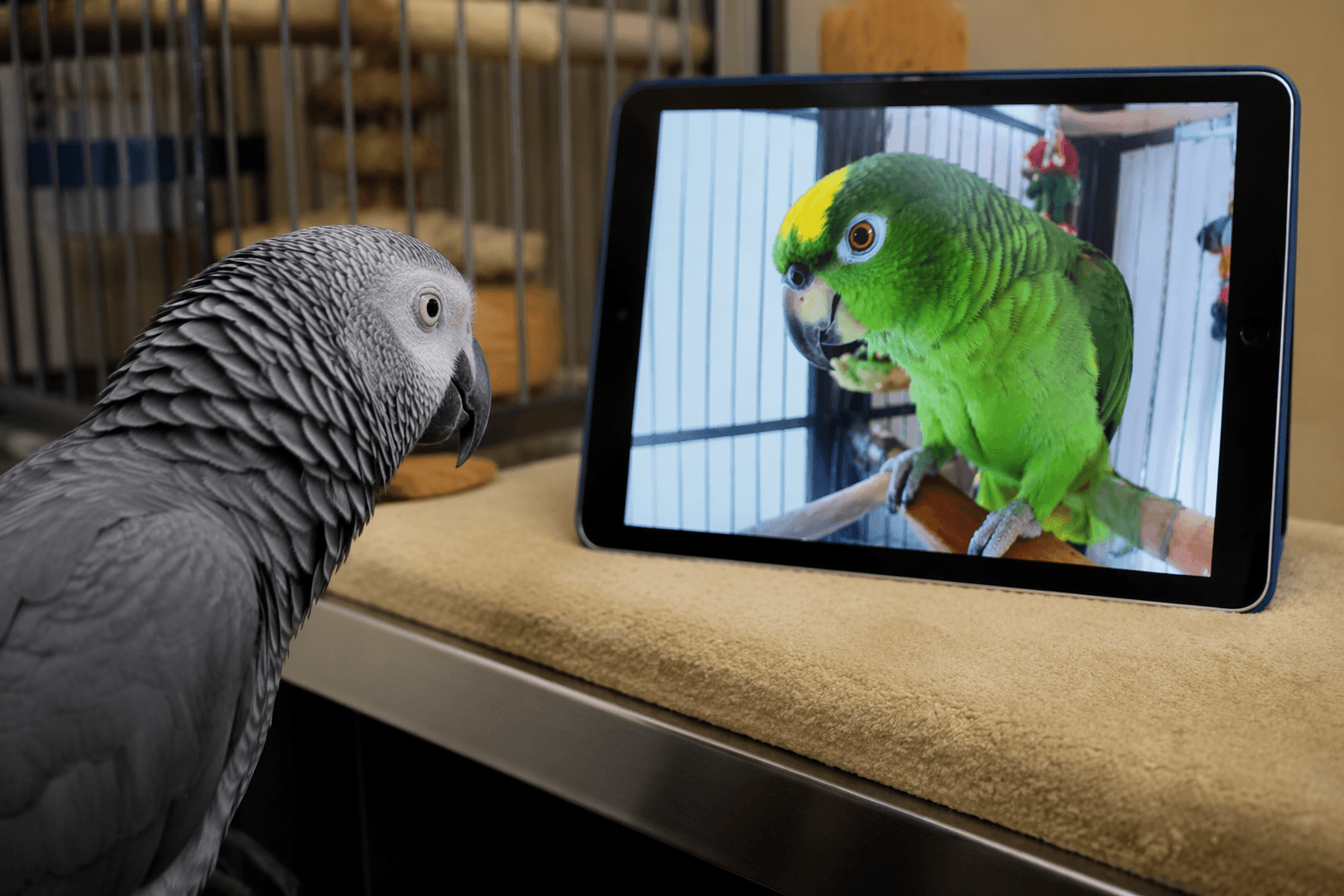
The big surprise was not that parrots noticed the screen. It was that they treated it like a social doorway, eagerly starting calls with other birds and behaving as if they had joined a flock. In studies led by researchers from Northeastern University, the MIT Media Lab and the University of Glasgow, pet parrots used tablets and smartphones on their own terms, then responded with preening, singing and play once the calls began.
The original 2023 project, “Birds of a Feather Video-Flock Together: Design and Evaluation of an Agency-Based Parrot-to-Parrot Video-Calling System for Interspecies Ethical Enrichment,” followed 18 pet parrots for three months and produced more than 1,000 hours of video observations. The birds were given agency over the interactions, and the results suggested that mattered. Rather than passively staring at a device, the parrots chose when to connect, and researchers said the video contact helped approximate the social life they would normally get in the wild, where parrots live in flocks.
That idea of flocking through a screen carried into a follow-up study presented at CHI 2024 in Honolulu. Over six months, researchers compared live video calls with pre-recorded bird videos and found that parrots initiated significantly more live calls and spent more time in live calls than in the playback sessions. The University of Glasgow said pet parrots may be able to tell the difference between live and pre-recorded content, a detail that helps explain why the birds kept leaning toward the real-time option.
The welfare question, though, did not end with the birds. Caregivers said the pre-recorded setup was easier to manage, even if they preferred the live calls for the parrots under their care. That tension sits at the center of the work from Ilyena Hirskyj-Douglas, Rebecca Kleinberger, Jennifer Cunha and Megha M. Vemuri: technology can help with loneliness and social deprivation in captivity, but only if it does more than deliver moving images.
For the estimated 20 million pet parrots in the United States, the studies sketch a practical future in which a screen is not a substitute for flock life, but a tool that can give a lonely bird something closer to the social contact it is built to seek. The parrots, as the experiments showed again and again, did not wait to be invited. They made the call themselves.
This article was produced by Prism’s automated news system from verified source data, official records, and press releases, then run through automated quality and moderation checks before publishing. The system is built and supervised by the people who set the standards it runs under. Read our full AI policy.
Did this article answer your question?