Phoenix Landing adds avian physical exam talk for parrot owners
Phoenix Landing’s 2-hour, 16-minute exam talk shows what avian vets look for before illness is obvious, with Anna Osofsky breaking down the checks.
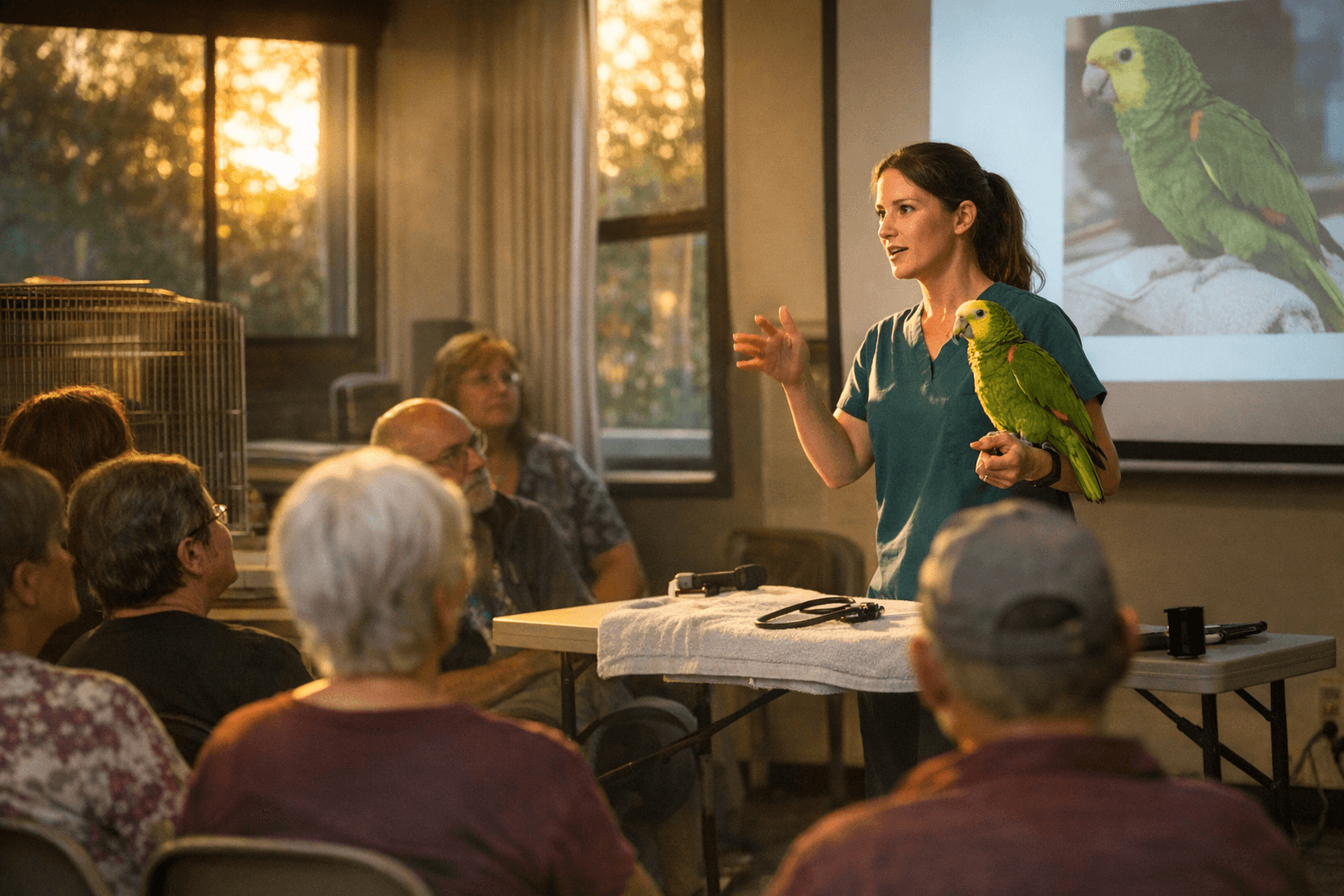
A 2-hour, 16-minute avian physical exam talk landed on Phoenix Landing’s YouTube channel with just 39 views at capture, and that long runtime is exactly why parrot owners may want to save it. Anna Osofsky, DVM, ABVP (Avian), walks through the exam in a way that turns a routine veterinary visit into a practical checklist for spotting trouble earlier.
Phoenix Landing Foundation has built its channel around that kind of owner education. The volunteer 501(c)(3) parrot welfare organization serves Maryland, Washington, D.C., Virginia, North Carolina and Northeast Florida, and it says its educational events are open to everyone no matter where they live. Many of those events are held online and recorded, which means the new exam talk joins a library that already covers pet bird toxicities, avian ganglioneuritis, foraging, step-up behavior and biting.
That matters because birds are expert at hiding illness. The key lesson from the exam talk is that a veterinarian is not looking at a parrot in one quick glance. The avian physical exam is usually split into a distant exam and an in-hand exam, with attention to posture, breathing, feather quality, body condition and demeanor. For owners, the useful takeaway is not to imitate that handling at home, but to learn what normal looks like so changes stand out fast.
That distinction is where the talk becomes especially useful for first-time owners, adopters and anyone whose bird has never had a full wellness visit. Safe home observation means watching body language, feather condition, droppings and weight trends, then acting when something shifts. The work that should never be DIY is the hands-on restraint and medical assessment that belong with an avian veterinarian.
Osofsky’s credentials also give the session extra weight. The American Board of Veterinary Practitioners says its diplomates have proven knowledge and expertise beyond general veterinary requirements, and Avian Practice is one of its recognized specialties. That makes this a board-certified avian specialist explaining the exam, not a general overview from outside the field.
The timing is useful too. The American Veterinary Medical Association says avian influenza periodically appears in the United States and spreads among wild migratory aquatic birds, while the Merck Veterinary Manual says birds showing respiratory signs should be separated and examined promptly. With preventable husbandry problems such as nutritional deficiencies, trauma, poisoning and unsanitary housing also among common causes of illness or death, Phoenix Landing’s new talk gives owners a clear, practical reason to pay attention before a small change becomes an emergency.
This article was produced by Prism’s automated news system from verified source data, official records, and press releases, then run through automated quality and moderation checks before publishing. The system is built and supervised by the people who set the standards it runs under. Read our full AI policy.
Did this article answer your question?