Phoenix Landing Zoom event explains how experts judge parrot species risk
José Antonio Díaz Luque’s Zoom talk shows how Red List labels shape what companion-parrot owners buy, ask, and avoid, from wild capture to species awareness.
José Antonio Díaz Luque is the name to know if you want to understand why a parrot species can move from “interesting” to “at risk” in the eyes of experts. Phoenix Landing’s April calendar puts him on a live Zoom with the IUCN Parrot Working Group, and the subject is one that reaches well beyond conservation circles: how specialists decide when a species is endangered, threatened, or vulnerable, and what those labels actually mean in practice.
That matters at home more than many new parrot people realize. The bird in your living room is connected to a wider species story, and the choices you make around sourcing, education, and anti-wild-capture ethics are shaped by how much you understand that story. A talk like this does not just explain a distant conservation system; it gives companion-parrot owners a cleaner way to think about responsibility, species awareness, and the ripple effects of demand.
What this Zoom session is really about
The event is framed around a basic conservation question, but it is not basic in consequence: how do experts know when a parrot species is in trouble? Phoenix Landing points readers toward the International Union for Conservation of Nature and Natural Resources, the organization behind the Red List, as one of the key sources of reliable information. That is the benchmark many conservation conversations eventually come back to, because the Red List is where risk categories get translated into a shared language.
Díaz Luque’s role makes the session especially useful. He is identified as co-chair of the Wild Parrot Specialist Group within the IUCN Species Survival Commission, which means he works inside a network of experts that assesses conservation status, identifies major threats, and helps build targeted strategies across species’ ranges. In plain terms, this is not abstract label-making from a distance. It is the machinery behind real-world decisions about birds that are under pressure.
For a parrot-care audience, that is the bridge worth paying attention to. Many people meet a species first through captivity, through a rescue intake, a breeder listing, a shelter post, or a photo that grabs the eye. Once that interest is established, the next step should not stop at ownership alone. It should widen into habitat loss, trade pressure, and the unequal outlook different parrots face in the wild.
Why a conservation talk changes how you keep birds at home
A conservation webinar can seem, at first glance, like something for field biologists or policy people. But in the companion-parrot world, it has immediate practical value. It helps explain why some species are discussed with more urgency, why some birds carry more ethical baggage than others, and why responsible ownership is never just about food bowls and vet visits.
It also gives rescue and education organizations better language for the conversations they are already having. When a species is harder to place, harder to source responsibly, or globally more vulnerable than others, those realities should shape how the community talks about adoption, breeding, and trade. Knowledge does not remove the responsibility; it sharpens it.
Here are the takeaways owners can use right away:
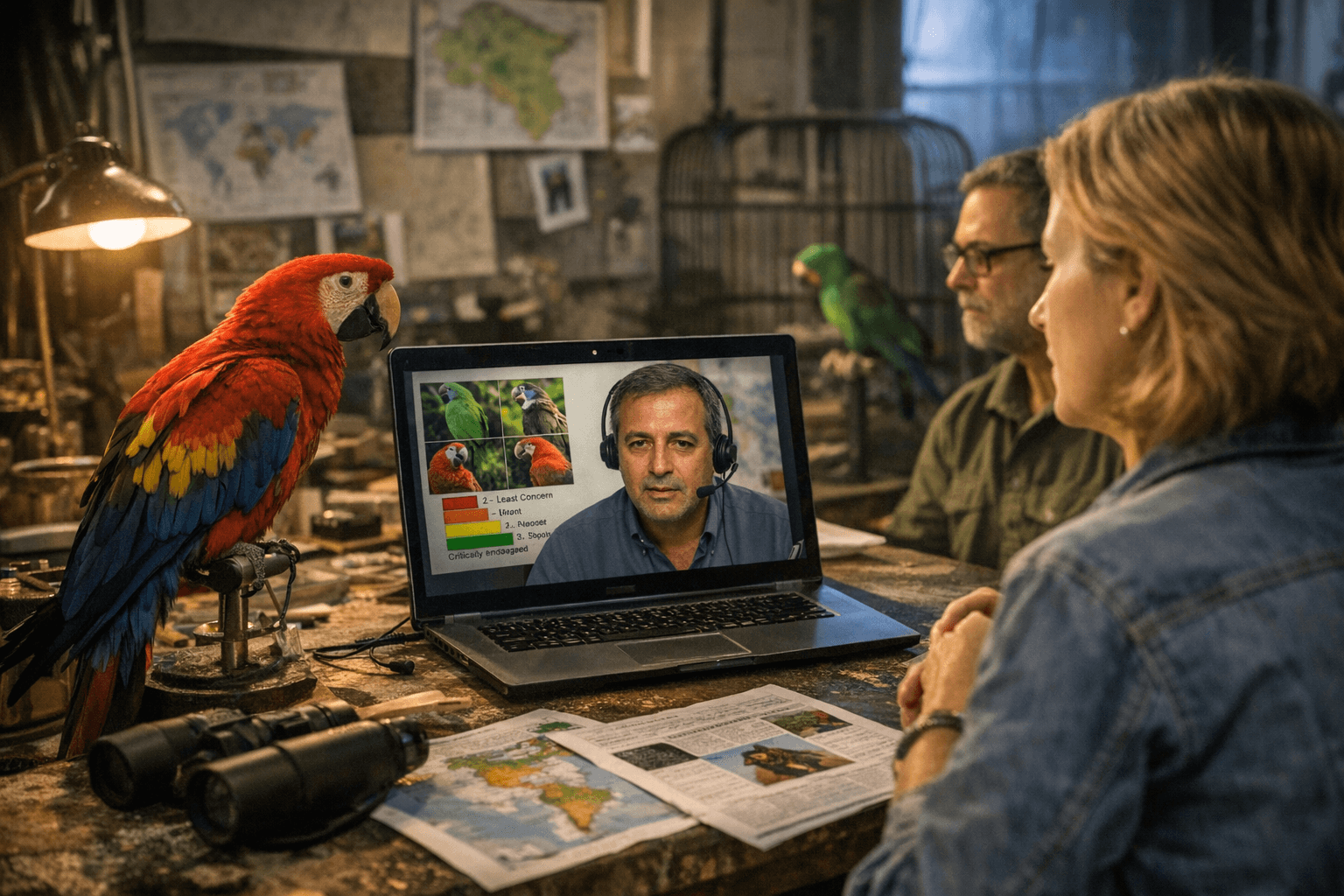
- Species labels are not just semantics. “Endangered,” “threatened,” and “vulnerable” point to different levels of conservation concern, and those distinctions matter when you are thinking about ethics and sourcing.
- The Red List is a reliable reference point. Phoenix Landing highlights the International Union for Conservation of Nature and Natural Resources as a central source for understanding species risk.
- Field experience matters as much as theory. Díaz Luque’s work combines field knowledge, research coordination, and international collaboration, which is exactly the mix that makes conservation guidance practical rather than academic.
- Wild-bird survival and companion-bird care are linked. If you care about the bird in your home, it helps to care about the population the species came from and the pressures it faces in the wild.
- Responsible ownership includes anti-wild-capture thinking. A conservation lens makes it easier to ask where birds come from and what demand does to species under strain.
What you should expect to learn live
The most useful part of this session is likely to be the translation work. Owners can expect a clear explanation of how experts judge risk, what criteria sit behind those familiar conservation words, and why some parrots end up listed at higher concern levels than others. Because the event description emphasizes Díaz Luque’s role in assessing conservation status and identifying key threats, the session should also help clarify how experts decide which threats matter most and how priorities shift across a species’ range.
That is useful whether you keep one bird or follow the broader parrot world closely. It helps you separate vague “some parrots are declining” talk from actual conservation structure. It also gives context to the way rescue groups, educators, and ethical breeders talk about rarity, trade, and long-term viability.
If you are joining the Zoom, bring questions that connect the wild picture to your daily decisions at home:
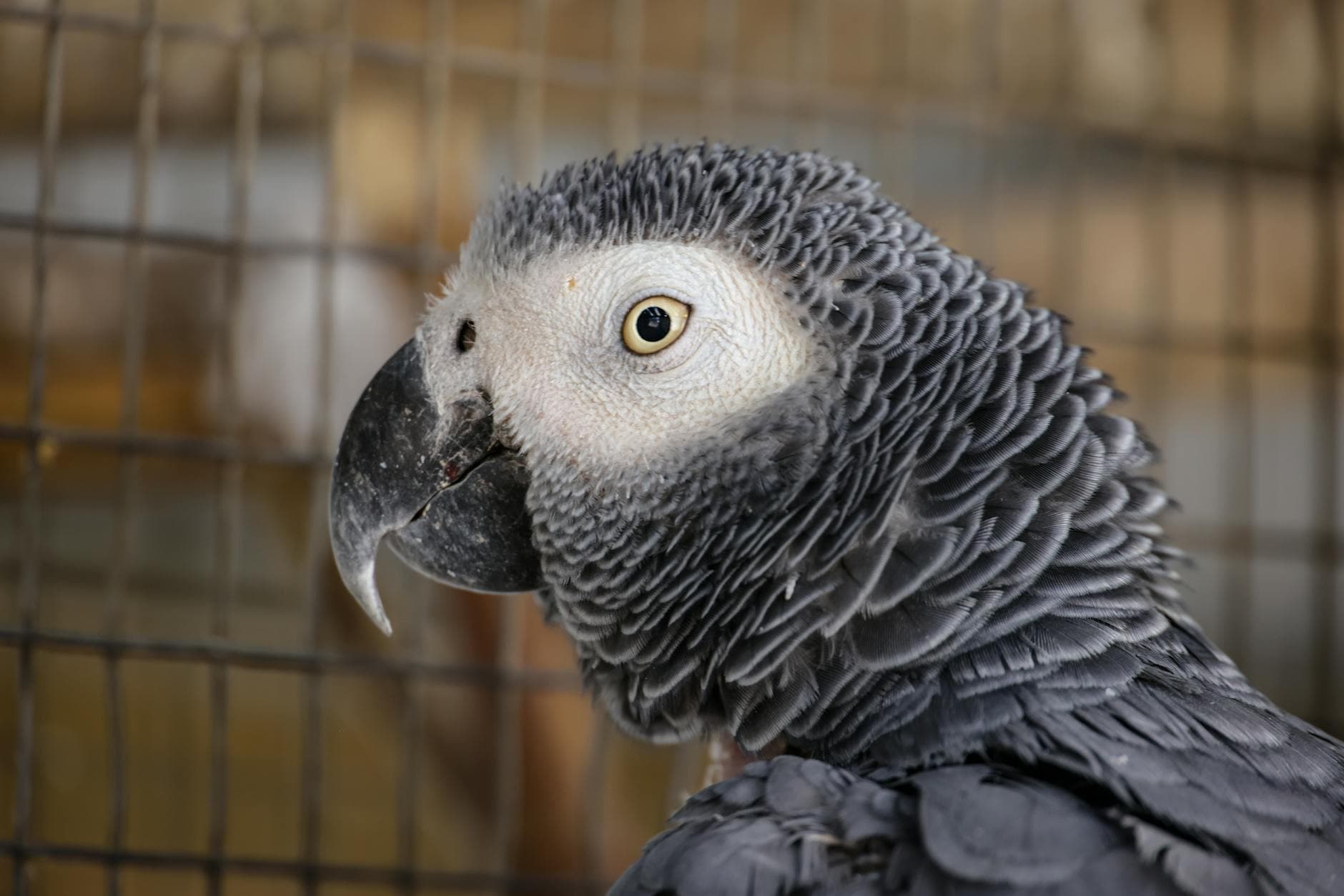
Questions worth bringing to the session
- How do experts decide whether a parrot is vulnerable, threatened, or endangered?
- What kinds of evidence carry the most weight in a conservation assessment?
- How does the Red List shape real conservation strategy?
- Which threats tend to matter most for parrots across different ranges?
- How should companion-parrot owners think about wild-capture ethics when choosing where birds come from?
The bigger lesson for Phoenix Landing readers
Phoenix Landing’s decision to spotlight this talk is a reminder that the parrot community is strongest when it sees beyond the cage front. A species can be beloved in homes and still be under serious pressure in the wild, and those two truths have to be held together. That is what makes a conservation talk worth showing up for: it gives owners the context to make more informed, more responsible choices.
Díaz Luque’s presence signals that the conversation will be rooted in actual expert practice, not just broad concern. For anyone who wants to care well for parrots, that is the real value of the session. It turns conservation labels into usable knowledge, and it connects everyday ownership to the larger ethics of how parrots survive at all.
This article was produced by Prism’s automated news system from verified source data, official records, and press releases, then run through automated quality and moderation checks before publishing. The system is built and supervised by the people who set the standards it runs under. Read our full AI policy.
Did this article answer your question?