Puerto Rican parrot rebounds to 250 wild birds after setbacks
Puerto Rico’s native parrot has climbed to about 250 wild birds, backed by 469 more in captive breeding and a decades-long recovery push after Hurricane Maria.
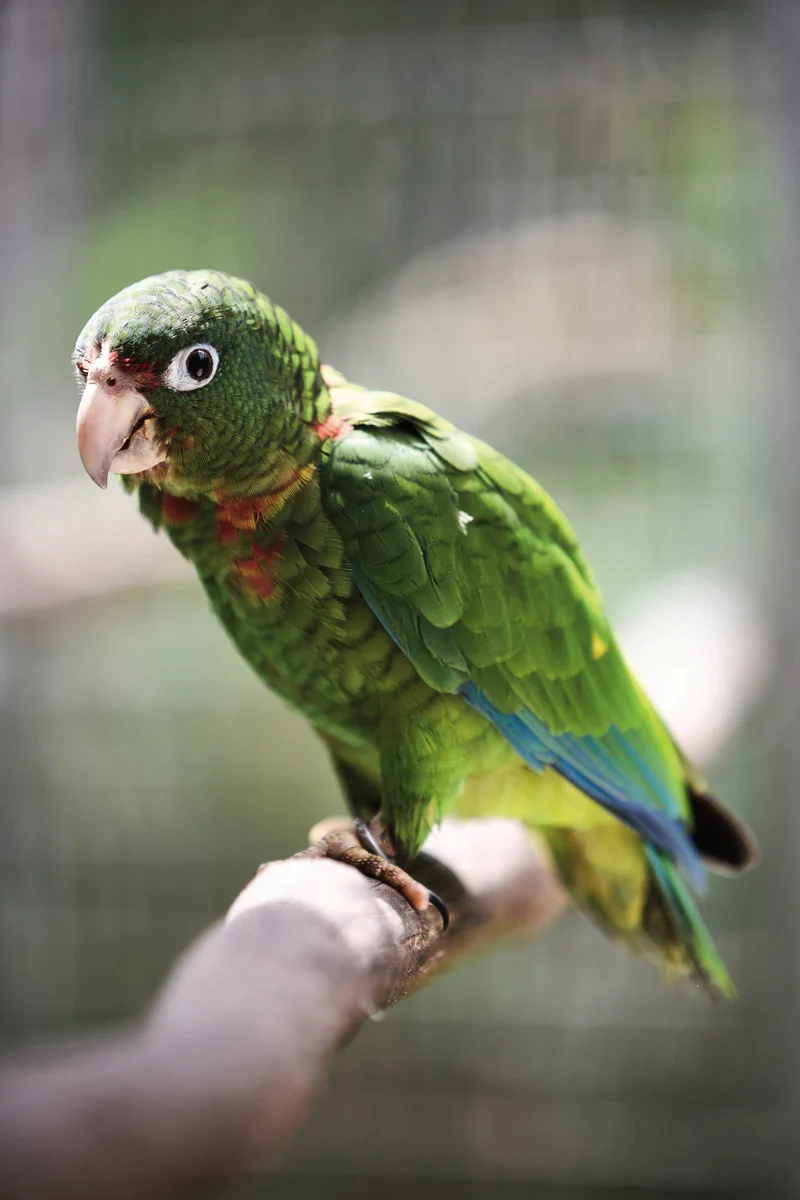
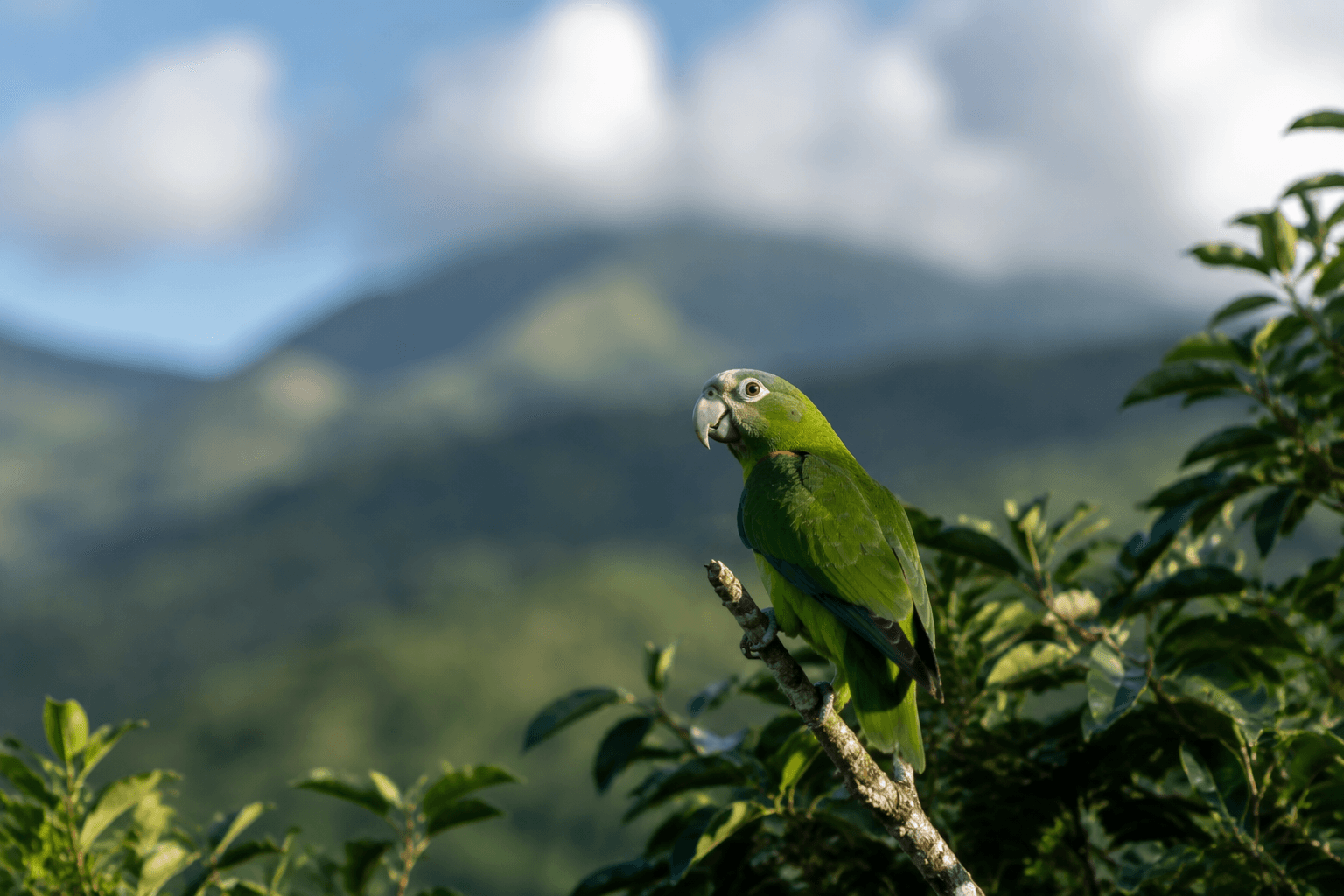
The Puerto Rican parrot population now stands at about 250 wild birds across El Yunque National Forest, Maricao State Forest and Río Abajo State Forest, with another 469 birds in captive breeding. That recovery has depended on long-running breeding, release and habitat work led by the U.S. Fish and Wildlife Service, the Puerto Rico Department of Natural and Environmental Resources and the U.S. Forest Service.
The bird, also known as the Puerto Rican amazon or iguaca, is the only native parrot in the United States and has been protected under the Endangered Species Act since 1967. It is endemic to Puerto Rico and remains one of the most endangered birds in the world, which makes every increase in the wild population more than a symbolic gain.
The comeback is striking because the species has been this close to disappearing before. In 1975, only 13 known Puerto Rican parrots were left in the wild, all on El Yunque. Hurricane Maria again drove the species toward extinction in 2017, leaving the recovery program to absorb severe losses and rebuild from a tiny base.
The rebound did not come from a single breakthrough. In the early months of 2018, captive parrots produced 70 chicks in specially designed artificial nests, a sign that the breeding program was still functioning after the storm. By 2022, federal officials marked another step forward in the future recovery of the species, reflecting steady progress in captive breeding and reintroduction.
For parrot keepers and conservation-minded bird lovers, the Puerto Rican parrot is a reminder that success depends on more than numbers in a nursery. Wild release sites, disease management and protected forest habitat have all been part of the effort, and the birds now spread across three separate forests rather than a single fragile pocket.
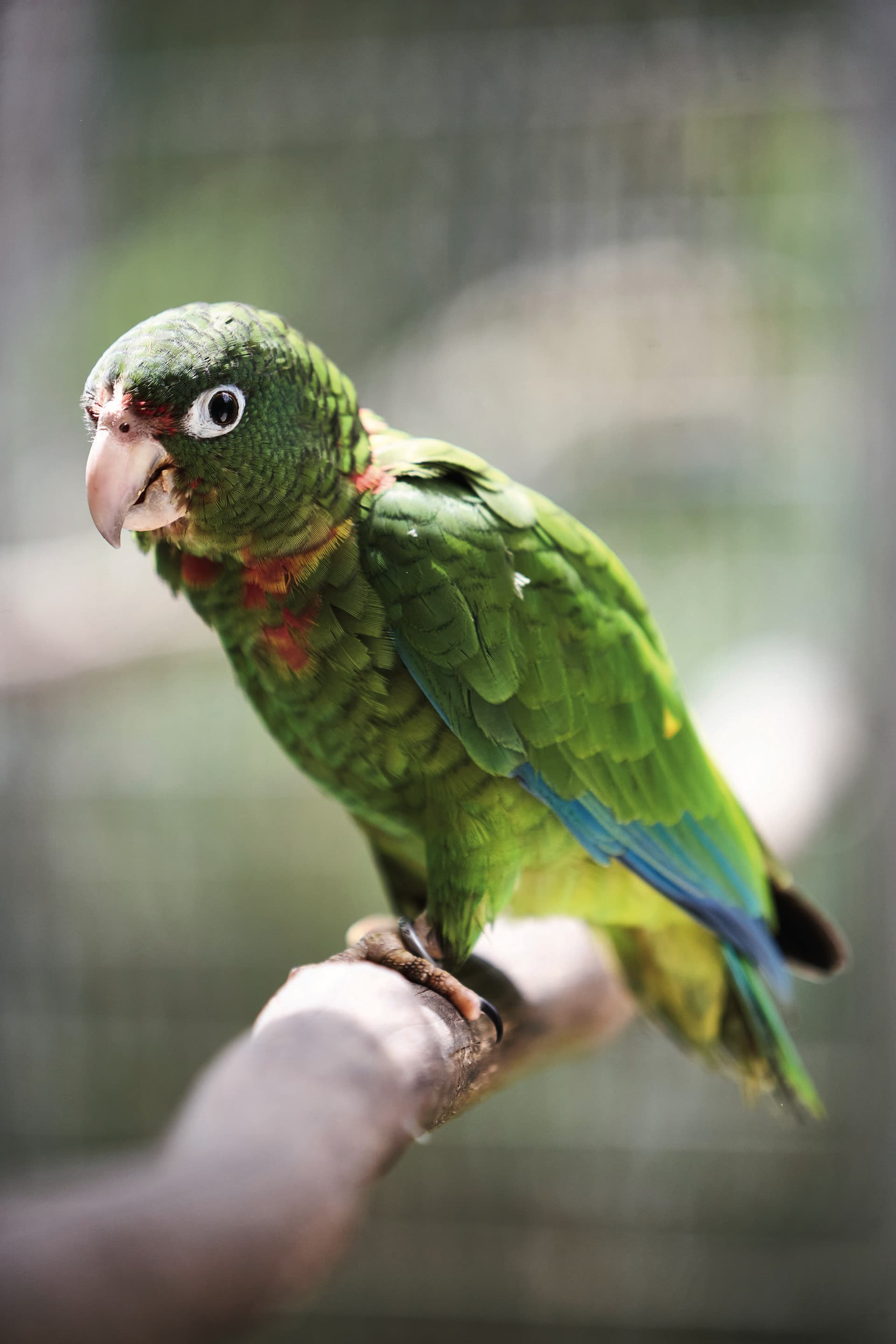
That is what makes 250 wild birds matter. The figure does not just mark a population gain after setbacks from Hurricane Maria; it shows that coordinated breeding, release and habitat protection can still pull one of the rarest parrots in the Western Hemisphere back from the edge.
This article was produced by Prism’s automated news system from verified source data, official records, and press releases, then run through automated quality and moderation checks before publishing. The system is built and supervised by the people who set the standards it runs under. Read our full AI policy.
Did this article answer your question?