Safe Hand-Feeding for Cockatiel Chicks, Nutrition, Hygiene, and Brooder Care
A cockatiel chick can crash fast if formula, temperature, or hygiene slip. Safe hand-feeding looks more like ICU care than a kitchen chore.
When hand-feeding is necessary, and when it is not
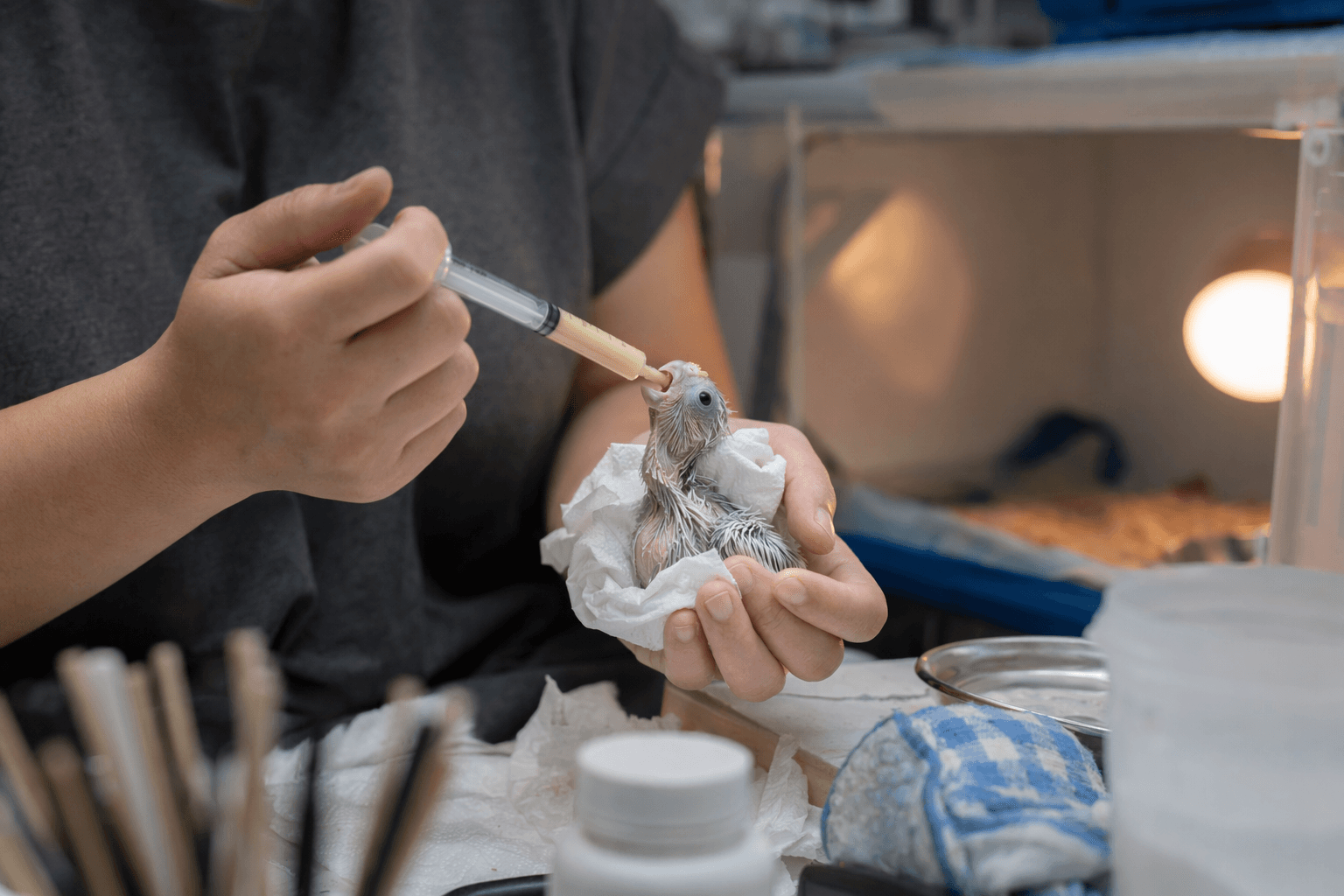
Hand-feeding a cockatiel chick is not a feel-good shortcut. It is a controlled rearing method for birds that need support, and the first question is whether you should be doing it at all. Lafeber notes that it is very hard to hand-feed a cockatiel chick from day 1, and chicks do better when parents feed them if that is possible. That matters because the margin for error is tiny: a young bird that misses formula, gets chilled, or inhales food can deteriorate quickly.
The safest hand-feeding plan starts with restraint. If the parents are feeding well, the chick is warm, growing, and active, that is usually the better path. If parents are absent, rejecting the chick, or unable to keep up, then hand-feeding becomes a rescue skill, not a hobby experiment. In some parts of the United States, selling unweaned chicks of any species is illegal, which reflects how high-risk this stage really is.
Why nutrition has to be exact
A cockatiel chick is not eating like an adult bird, and it should not be fed like one. Veterinary guidance places adult maintenance protein for cockatiels at about 7 to 12 percent, while growing chicks need substantially more. One practical target used in commercial hand-rearing formulas is 20 to 25 percent protein, because rapid growth demands more building material than adult maintenance ever will.
That gap is the reason formulated diets matter so much. The MSD Veterinary Manual says exact nutritional requirements for most bird species are still not fully known, so avian diets are often extrapolated from poultry research. In that uncertain landscape, hand-feeding formulas have been pivotal in improving avian nutritional health. They give you a way to deliver protein, fats, carbohydrates, vitamins, and minerals in a consistent package when the chick’s body is asking for growth, not just maintenance.
The hard lesson here is that “food” is not enough. A chick needs the right mix, the right consistency, and the right timing. Underfeeding slows growth. Overfeeding can be dangerous. A formula that is too thin, too thick, or too cool can cause its own problems before the chick has a chance to benefit from it.
The brooder is part of the feeding plan
Nutrition does not work if the chick is cold. Lafeber is blunt about this: you need some type of brooder to keep chicks at the right temperature. That is not a side note, it is the foundation of everything, because warm digestion is what allows formula to move through the crop properly.
A proper brooder setup means stable heat, clean bedding or lining, and a calm environment with routines that do not swing wildly from one feeding to the next. Temperature control, cleanliness, and handling discipline all work together. If the brooder is off, even a well-mixed formula can become unsafe because the chick cannot process it normally.
That is why experienced breeders treat the brooder like part of the nutrition system, not just a holding box. A chick that is too cold is not simply uncomfortable. It is at higher risk of slow crop emptying, weakness, and the cascade of problems that follow.
Hygiene is not optional
Hand-feeding chicks is a bacteria-and-yeast problem as much as a nutrition problem. Lafeber warns that yeast and bacterial infections are very common with hand-fed chicks, and the instruction is clear: disinfect everything. Feeding syringes, spoons, cups, hands, and the brooder area all need to be kept scrupulously clean.
That warning exists because contamination can move fast through a tiny bird. A feeding routine that looks harmless to a person can introduce organisms the chick is too fragile to fight off. Clean formula preparation, clean tools, and clean storage habits are the line between routine care and a sick chick.
This is also where discipline matters most. If you are improvising between feedings, guessing at sanitation, or reusing dirty equipment, you are gambling with a bird that has almost no reserves. Hygiene is not about being neat. It is about preventing infections that are common, serious, and often preventable.
Feeding rhythm, technique, and the tools you need
Successful hand-feeding depends on repeatability. The chick needs the right formula, the right temperature, and a predictable schedule. The tools matter too, because you are not just delivering food, you are controlling how that food enters the bird and how much enters at once.
The biggest beginner errors are usually timing and texture. Feed too early and you can overload a crop that has not emptied. Feed too late and the chick may already be depleted. Mix formula inconsistently and you risk a feed that is too watery to nourish or too thick to move safely. These mistakes are especially costly in cockatiels, which Lafeber describes as fragile and difficult to hand-feed successfully.
That is why “watching the crop” and paying attention to appetite are part of the job. If a chick suddenly stops eating, something is wrong. In a hand-fed juvenile, that is not a mood shift. It is a warning.
The red flags that should send you to a vet fast
Some problems are not home-management problems. Veterinary Partner says crop stasis in a juvenile psittacine is a medical emergency, and that should change how you think about every stalled feeding. A depressed baby bird with a crop that is not emptying is not waiting for the next meal. It needs urgent veterinary attention.
Aspiration, overfeeding, and underfeeding are common dangers in juvenile psittacines, and they can become life-threatening quickly. If formula is going into the wrong place, if the crop is not moving, or if the chick is weak and unresponsive, the safest move is to stop improvising and get help from an avian vet or an experienced breeder immediately.
- A crop that stays full too long or feels abnormal
- Reduced interest in feeding or sudden refusal
- Weakness, depression, or fluffed-up posture
- Formula coming from the nares or signs of choking
- Poor weight gain, dehydration, or repeated messy feedings
Watch for these warning signs:
Those signs are not part of normal learning. They are the moments when hand-feeding stops being routine and becomes triage.
Why psittacosis makes hygiene even more serious
There is also a human and flock-health angle that cannot be ignored. Veterinary Partner notes that psittacosis is highly contagious among birds and can spread to people. Cockatiels, budgies, and parrots are among the most commonly affected companion bird species.
That means a sloppy hand-feeding station is not only a risk to the chick in front of you. It is a biosecurity problem. Good hygiene protects the bird, other birds in the home, and the people doing the feeding. In a breeding setup, that makes sanitation and early veterinary care part of responsible ownership, not just best practice.
The real goal: stability, not improvisation
Hand-feeding a cockatiel chick is technical work wrapped in emotion. It asks for patience, clean tools, reliable heat, the right formula, and the humility to call for help when the chick is telling you that something is off. The birds that do best are the ones raised with consistency, not confidence.
That is the part people miss when they first step into this world. Success is not a matter of pouring food and hoping for the best. It is a chain of small decisions that keep a fragile chick warm, nourished, and infection-free long enough to grow into the bird it is meant to be.
This article was produced by Prism’s automated news system from verified source data, official records, and press releases, then run through automated quality and moderation checks before publishing. The system is built and supervised by the people who set the standards it runs under. Read our full AI policy.
Did this article answer your question?