Species-specific diets, monitoring and slow transitions keep parrots healthy
The healthiest parrot diets are built bird by bird: pellets, vegetables, weekly weights, and slow seed cutbacks that match the species, not the pet store aisle.
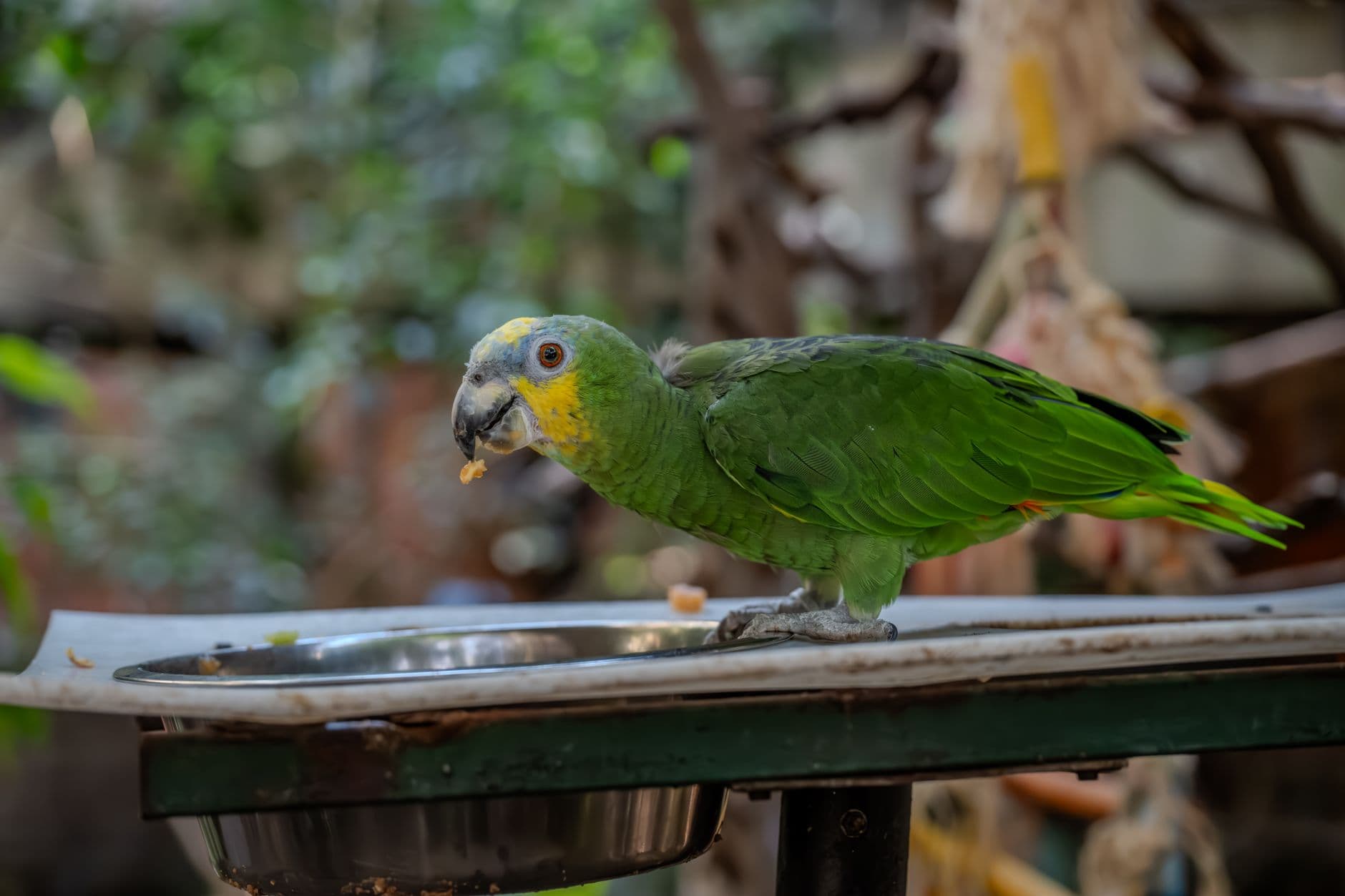
A seed mix can look harmless in the bowl and still set a parrot up for obesity, nutrient gaps, and a long climb back to health. The central lesson from this guide is blunt: healthy parrot diets are species-specific systems, not one-size-fits-all menus. That means pellets, produce, monitoring, and slow change have to work together, because a macaw, a conure, a budgie, and a grey parrot do not eat or metabolize like copies of the same bird.
Why seed mixes keep getting parrots into trouble
Seed-heavy feeding is still common, but it is a poor default for companion birds. The Association of Avian Veterinarians warns that birds on seed-heavy diets often become obese, develop fatal diseases early in life, and may need lifelong treatment. Merck Veterinary Manual is equally direct: strictly seed-based diets are suboptimal for psittacines because seeds fall short in vitamin A, protein, especially lysine and methionine, calcium, and other nutrients.
That is why the old habit of treating seeds as a complete meal is so risky. Seeds are energy-dense, but they do not automatically cover the nutritional bases that parrots need for steady health, feather quality, and long-term organ function. The problem is not just what is missing in the bowl, but what that imbalance does over time: too much fat, not enough balance, and a bird that can look “fine” right up until it does not.
Build around pellets, then tailor the rest
The strongest practical shift is to make high-quality pellets the backbone of the diet, not an afterthought. The exact percentage should change with species and life stage, because the nutritional profile that works for one bird will not be right for another. That species-by-species approach is the point of the AvianBliss guide, and it lines up with the way avian organizations organize care in the real world.
The Association of Avian Veterinarians publishes separate pet bird care brochures for budgies, canaries and other finches, cockatiels, cockatoos, conures, eclectus, grey parrots, lories, lovebirds, macaws, and quakers. That alone says a lot: the field does not treat a parrot as a generic bird, and feeding should not either. Fresh vegetables belong in the mix too, especially alongside formulated pellets made for parrots, because that pairing helps cover core nutritional needs more reliably than seeds do.
Watch the body, not just the bowl
A healthy diet is not something you buy once. It is something you keep checking. Weekly weight checks and body-condition monitoring are the simplest ways to catch drift before it becomes disease, and they matter because birds hide trouble well. A sudden drop in weight, a change in feathers, or an appetite shift should trigger a veterinary conversation, not just a new treat or a guess at what the bird “seems” to want.
Merck defines avian obesity as being 20 percent over ideal body weight, and it notes that obesity in pet birds is commonly caused by high-fat diets, overabundance of food, and lack of exercise. It also identifies obesity by a body condition score of 4 out of 5. That makes regular weighing more than a housekeeping chore. It is the easiest way to see whether the current plan is feeding the bird’s actual needs or simply overfilling the dish.

For companion birds, the Association of Avian Veterinarians recommends regular checkups, and the American Veterinary Medical Association says regular nutritional assessment and counseling are vital preventive care. In practice, that means food brands, formulas, and feeding routines should be part of every exam, not a side note.
Change diets slowly, or expect a fight
The most common owner mistake is the abrupt switch. Birds are creatures of habit, and sudden diet changes can lead to refusal, stress, or weight loss. The better path is a slow taper over roughly three to six months, cutting seeds by about 10 to 20 percent each week while introducing pellets and vegetables in ways that feel less threatening to the bird.
That transition works best when food presentation becomes part of the strategy. Foraging opportunities and small tricks with how food is served can make pellets and vegetables more acceptable, especially for birds that have learned to sort for the favorite bits and ignore the rest. The goal is not to win a battle of wills at the food bowl. It is to make the new diet feel normal enough that the bird keeps eating while its preferences change.
Think in nutrients, not in single ingredients
A balanced plan is bigger than pellets versus seeds. Water, protein, fats, carbohydrates, calcium, vitamins, and minerals all need to function together rather than being adjusted in isolation. That is why a bird can look like it is getting “variety” and still be underfed in key areas if the diet is built from the wrong base.
The cautionary backdrop is clear in avian medicine. Merck notes that obesity is common in companion birds, and it points out that galahs, macaws, Amazon parrots, and Quaker parrots are prone to it. A 2025 case report in the Journal of Avian Medicine and Surgery described a 25-year-old male Congo African gray parrot whose diet included pellets, seeds, nuts, and fresh table items, a reminder that mixed home diets can persist for decades without necessarily being well balanced.
That is also why routine diagnostics matter so much in bird care. Cornell University College of Veterinary Medicine’s avian health service has conducted more than 49,000 tests, a useful marker of how often avian medicine relies on ongoing monitoring rather than waiting for a crisis. Feeding is part of that same vigilance. The healthiest routine is not dramatic; it is steady, species-aware, and checked often enough to catch change early.
The bowl is where the story starts, but it is not where it ends. A parrot’s diet works best when it is treated as a living system, shaped by species, watched by weight, and changed slowly enough that the bird can keep up.
This article was produced by Prism’s automated news system from verified source data, official records, and press releases, then run through automated quality and moderation checks before publishing. The system is built and supervised by the people who set the standards it runs under. Read our full AI policy.
Did this article answer your question?