Tripoli Zoo Reopens After 17 Years, Welcoming Families and Parrots Back
A parrot perched on a visitor's arm became the image of Tripoli's rebirth: the Abu Salim Zoo welcomed families again after 17 years shuttered by war.
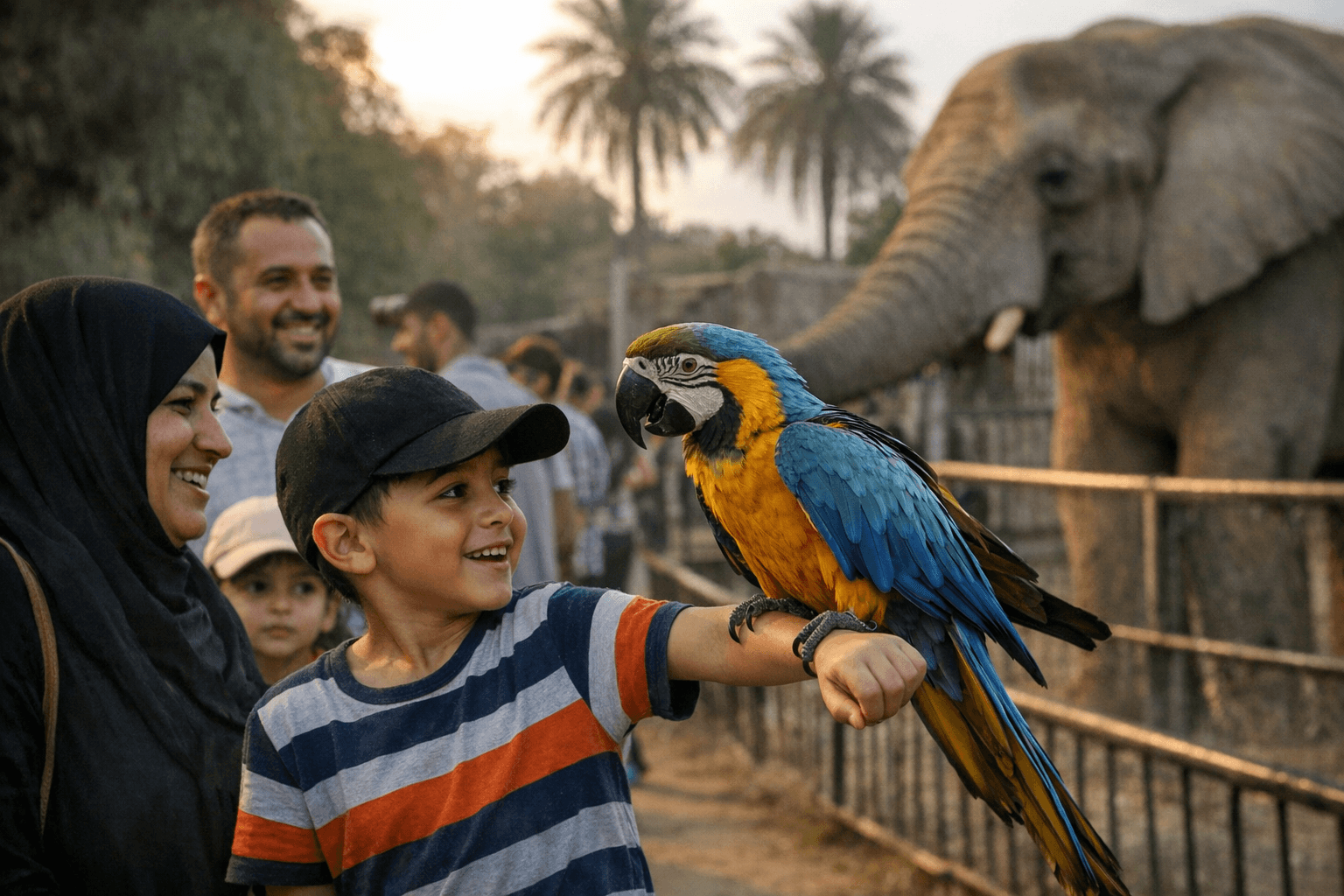
For a city that went 17 years without a functioning public zoo, the scene was quietly extraordinary. A visitor stood in the sunlit grounds of Tripoli's Abu Salim Zoo on March 27, a parrot settled on his arm, surrounded by children experiencing animals in person for what many of them was the very first time. The photograph circulated internationally, and it said more than any press release could.
The Abu Salim Zoo reopened on March 21, 2026, the first day of Eid al-Fitr, after closing in 2009. Libyan Prime Minister Abd Alhamid Aldabaiba led the official opening ceremony, touring the nearly 45-hectare grounds alongside children from the Abu Hreida care home and several families. The renovation was carried out by the Tripoli General Services Company and included the rehabilitation of more than 80 restrooms, the refurbishment of the main arena with granite marble, the modernization of animal enclosures, and the complete overhaul of water, sewage, and electrical networks. New trees and shrubs were planted to restore the green spaces the site was once known for.
The reopening carries an unusually heavy weight for a zoo inauguration. During Libya's civil war, the Busleem militia, the Support and Stability Agency, converted the zoo into a military base. The grounds served as a launching pad for shelling, and after the militia's fall, authorities discovered mass graves on the property. Returning the site to families and schoolchildren represents something more than a civic amenity restored.
Visitor Hisham Farag put it plainly. "This park holds many memories for us," he said. "And now, thank God, we are seeing our children enter this place. Everyone is happy about it." Fellow visitor Ali Abushina described it as "an opportunity for all the Libyan people and those near Tripoli to come and see the zoo, change scenery and explore what is in the country."
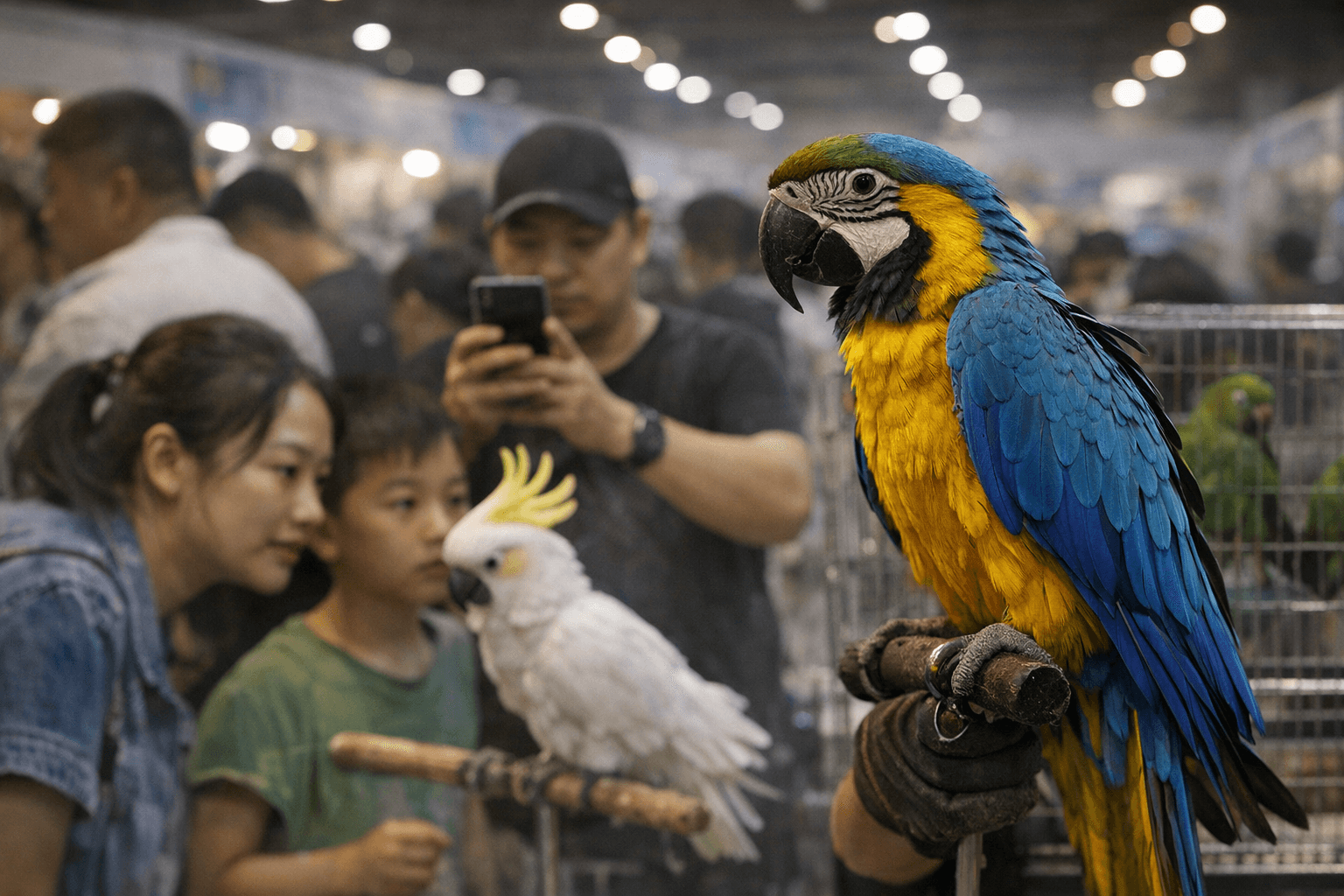
For those of us who follow parrot care closely, the images from opening week carry a particular charge. Parrots appeared prominently alongside flamingos and zebras in wire photos distributed by international agencies, and at least one widely-circulated shot showed a visitor handling a bird directly. That kind of hands-on encounter is a powerful draw, and it also raises questions that responsible facilities take seriously: supervised handling time, hygiene protocols, trained staff oversight, and consistent avian veterinary checks to minimize stress and disease transmission. The Abu Salim Municipal Council stated the zoo was "rehabilitated and equipped according to modern standards that prioritize animal safety and welfare," language that now needs to be backed up in practice as visitor numbers grow.
What the reopening undeniably delivered, on its first day and in the days that followed, was a city reconnecting with something it had lost. The parrots at Abu Salim Zoo are no longer just birds in an enclosure; for families in Tripoli, they became the living proof that something worth preserving had survived.
Know something we missed? Have a correction or additional information?
Submit a Tip