Tucson volunteers help Paradise Parrot Rescue care for rescued birds
Volunteers spent a Tucson morning scrubbing enclosures, prepping food and water, and keeping rescued parrots on routine at Paradise Parrot Rescue.
By 9 a.m., the work at Paradise Parrot Rescue was already hands-on. Volunteers gathered at 5300 N. Placita Del Pensador in Tucson to spend a Shared Saturday morning doing whatever the birds needed most, from cleaning and tidying enclosures to prepping food, fresh water, and other support work.
The June 20 volunteer day, organized with Our Safe Space, was built for ordinary community members, not just seasoned bird people. The listing said no prior bird experience was required, only a willingness to pitch in around rescued parrots. It also gave practical advice that fit the job itself: wear comfortable clothes, bring water, and choose closed-toe shoes. Carpooling from the east side could be arranged, another small detail that underscored how local and hands-on the effort was.
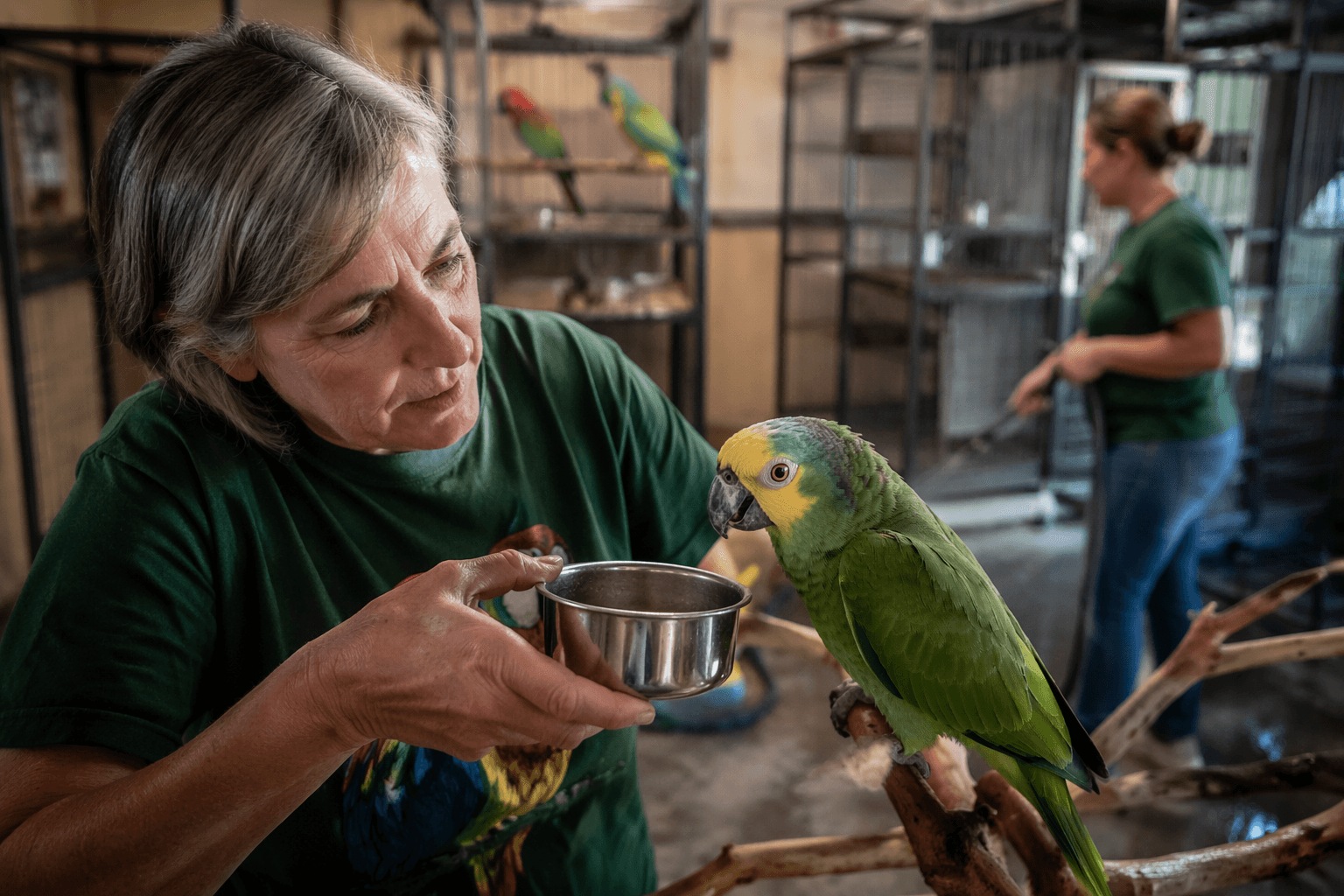
That kind of labor maps directly onto what Paradise Parrot Rescue says it does every day. The Tucson nonprofit sanctuary, a registered 501(c)(3), says donations go to food, veterinary care, toys, and building and maintaining enclosures and structures. Founded in 2020 by Bryan Klontz, the rescue sits on 4 acres in the Tucson mountain foothills and describes itself as a response to an unmet need in the community. It says some parrots can live past 70 years and may have more than 12 homes over a lifetime, a reality that makes consistency and routine as important as a clean dish or a fresh perch.
That is also why the rescue has been pushing for more space. In its 2023 annual report, Paradise Parrot Rescue said it had reached about 50% of the funding needed for a new facility, had hired a local contractor, and expected phase one to break ground in 2024. The planned building was described as about 3,200 square feet, with room for 200 to 300 parrots, plus a full kitchen, a bathroom for volunteers and visitors, storage, a separate quarantine room, and a small sales area. The report said the rescue was already at capacity and could not keep taking in the birds that need care without it.
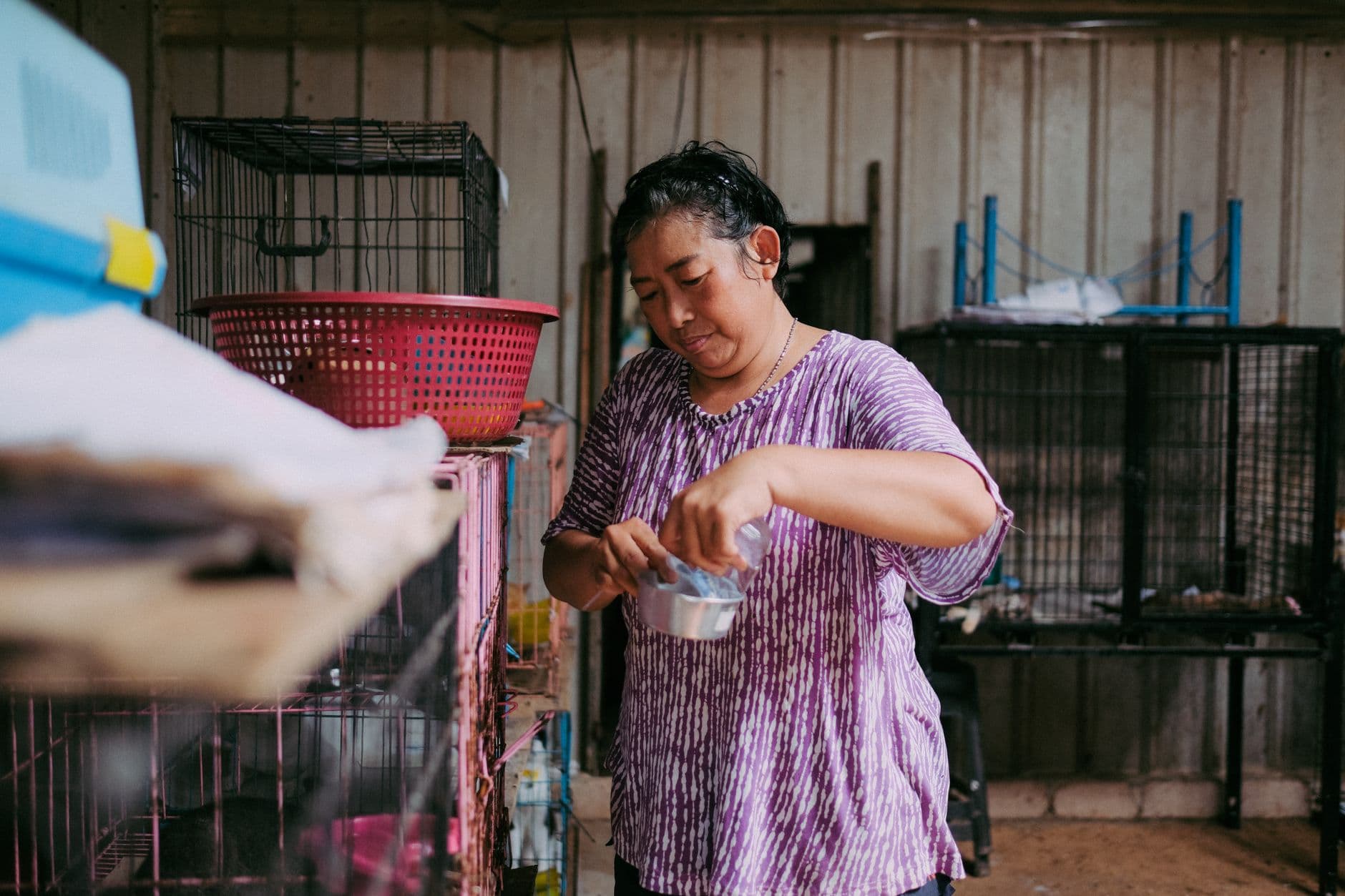
The intake side of the rescue explains the same pressure from another angle. Paradise Parrot Rescue screens adopters with applications, at least three references, interviews, and sometimes in-home assessments. Birds surrendered to the rescue may stay for days, weeks, or months while staff decide whether veterinary care or adoption is the better outcome. On Saturday morning, every rinsed bowl, filled water dish, and cleaned enclosure was part of that larger system, the quiet routine that keeps vulnerable parrots safe enough to wait for their next home.
This article was produced by Prism’s automated news system from verified source data, official records, and press releases, then run through automated quality and moderation checks before publishing. The system is built and supervised by the people who set the standards it runs under. Read our full AI policy.
Did this article answer your question?