Two parakeets in Christchurch produce over 10 percent of surviving population
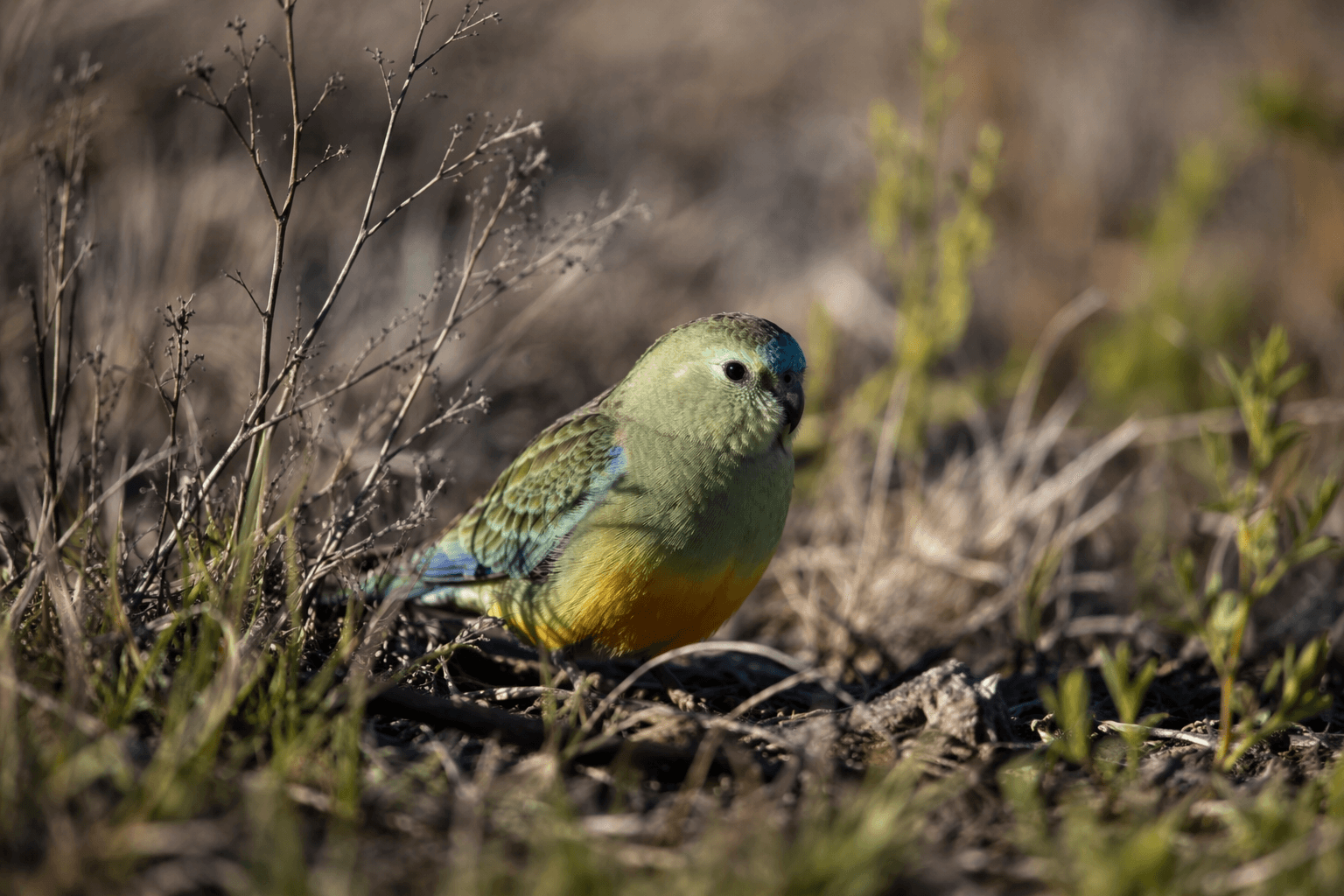
Two Christchurch parakeets, Nacho and Trixie, raised 55 chicks and now account for more than 10 percent of a species with only about 450 birds left.

In Christchurch, one breeding pair has become a lifeline for New Zealand’s rarest parakeet. Nacho and Trixie, housed at the Isaac Conservation and Wildlife Trust, produced 55 orange-fronted parakeet chicks, or kākāriki karaka, since 2024, including 33 this year alone, a tally equal to more than 10 percent of the species’ surviving population.
That number carries unusual weight because the bird has twice been declared extinct, in 1919 and again in 1965, before being rediscovered. Today, the Department of Conservation says only about 300 to 450 remain in the wild, scattered across a handful of places: the Hawdon Valley, the South Branch of the Hurunui River, Ōruawairua/Blumine Island, Brook Waimārama Sanctuary and Pukenui/Anchor Island. The species is classed as Threatened-Nationally Critical, and every breeding success matters.
The recovery programme, led by DOC and Te Rūnanga o Ngāi Tahu, depends on monitoring, habitat protection, captive breeding, research and finding safe new release sites. That is where Nacho and Trixie became so important. DOC says the Isaac Conservation and Wildlife Trust works closely with the agency on five endangered native bird species and raises hundreds of birds every year for release into the wild. In the case of kākāriki karaka, DOC has said that without the trust, the species would be extinct in the wild.

The work has already pushed birds back into the landscape. On 5 March 2025, 34 kākāriki karaka were released onto Pukenui/Anchor Island after time in acclimatisation aviaries, helping establish a new wild population there. In April 2023, DOC said 73 birds had been released into Hawdon Valley across four releases since November 2022, and chicks were later found there in March 2023 for the first time since 2015. More recently, in March 2026, eggs were retrieved from a Nelson predator-free sanctuary and flown to Christchurch for hatching for the first time, a milestone DOC said showed how tightly the recovery effort now links sanctuaries, aviaries and release sites.

For parrot lovers, the lesson is stark and hopeful at once: this is not a broad comeback built on numbers alone. It is a species hanging on through the output of individual birds, and in Christchurch, two parakeets have done more than their share to keep kākāriki karaka from slipping away again.
This article was produced by Prism’s automated news system from verified source data, official records, and press releases, then run through automated quality and moderation checks before publishing. The system is built and supervised by the people who set the standards it runs under. Read our full AI policy.
Did this article answer your question?