Virginia parrot rescue races to find new home for 60 birds
A Wakefield rescue had until August to move nearly 60 parrots, and older birds like blind 35-year-old Jude were the hardest to place.

A Wakefield parrot rescue was racing a hard deadline after learning its lease would not be renewed in August, leaving Nana & Papa’s Nest only a few months to find a new home for nearly 60 parrots and other birds already in its care.
The pressure was not just about moving cages and perches. Jodie Owrey, the rescue’s director of parrot care, was trying to keep older birds and special-needs birds stable while the search for a new property continued. That mattered because birds with years of routine behind them do not always handle upheaval well, especially when they already need daily handling, medication, or extra support.
Jude, a 35-year-old ruby macaw, showed exactly why the stakes were so high. His owner died a few months ago, and Owrey said he was blind after years on a seed diet. In a rescue setting, that kind of backstory is common enough to be sobering: long-term feeding and care choices can shape a bird’s health for the rest of its life.
Inside the rescue, the work was relentless and specific. Staff fed the parrots twice a day, cleaned cages regularly, and kept up constant attention. The diet was not the old seed-heavy shortcut many owners still default to. It included pellets, fresh vegetables, fruit, and nuts as treats, a more balanced mix that reflected the demands of sanctuary care.
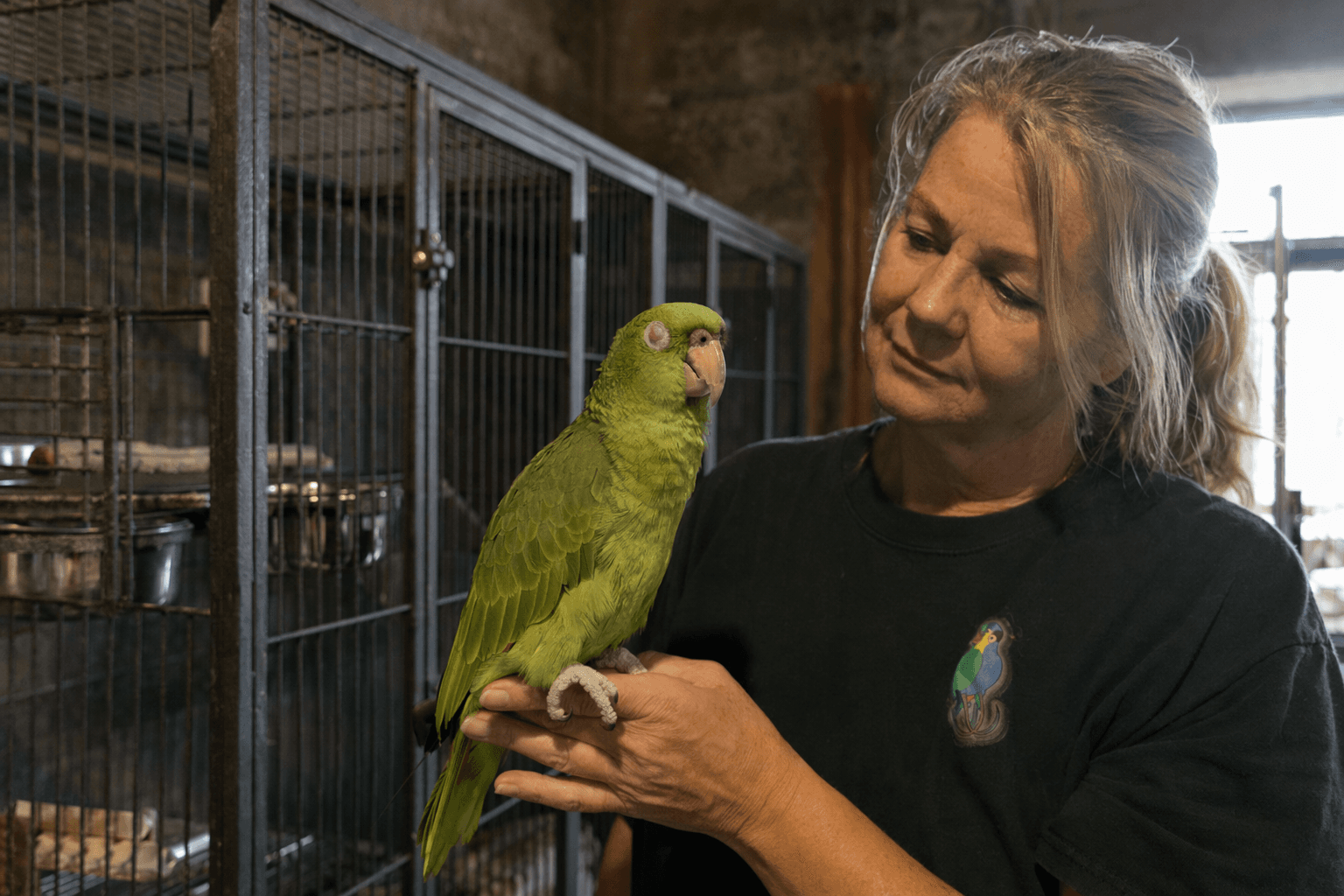
The flock also had enough personality to make the loss of a stable home feel immediate. Birdie, a 55-year-old resident, waved and blew kisses. Marigold flashed her golden wings. Cuddles, a 41-year-old Moluccan cockatoo, needed consistent medical care. Kokomo, a blue-and-gold macaw, perked up when a favorite song played. Those are not decorative details. They are proof that each bird had a routine, a caregiver set, and a place in the flock that would be hard to replicate somewhere else.
Owrey said parrots can live to be 100, which meant many outlive the people who first brought them home. Nursing homes, assisted living, illness, and simple exhaustion often pushed birds back into the system years later. That is why the rescue’s next move mattered so much. It needed a new property, money, and sponsors fast, before the August eviction clock forced another round of upheaval on birds that had already seen enough of it.
This article was produced by Prism’s automated news system from verified source data, official records, and press releases, then run through automated quality and moderation checks before publishing. The system is built and supervised by the people who set the standards it runs under. Read our full AI policy.
Did this article answer your question?