WHO Reports No New West Pacific Human H5 Cases, Biosecurity Reminder For Parrot Owners
No new West Pacific human H5 cases were reported, but parrot homes still need clean shoes, strict separation and close monitoring around wild-bird exposure.
No new human H5 cases were reported across the Western Pacific, but parrot homes should not read that as permission to relax. The latest regional update covered April 10 to April 16 and found no new human infections with avian influenza A(H5N1), A(H5N6) or unsubtyped A(H5) viruses. That pause matters because avian influenza still circulates in birds, and the risk to people begins with direct contact with infected animals or indirect contact with contaminated environments.
The numbers behind the quiet week are still sobering. The Western Pacific Region has logged 481 laboratory-confirmed H5N1 human cases and 319 deaths since 2003, while the global total stands at 993 cases and 477 deaths since January 1, 2003. For H5N6, the region has recorded 93 laboratory-confirmed human cases since 2014, including 57 deaths. WHO said the last H5N6 case it had from the region came from Anhui Province, China, with onset on June 17, 2024.
The most recent H5N1 case in the region that WHO cited came from Oddar Meanchey Province, Cambodia, and it was found through active case finding after a poultry outbreak. WHO’s earlier reporting period also included another H5N1 case from the same province, a child who was initially asymptomatic and later developed influenza-like illness before laboratory confirmation on March 29, 2026. That sequence is exactly why these weekly updates still matter for household bird keepers: the virus can move through poultry first, then appear in people, and companion-bird homes sit downstream from that animal health picture.
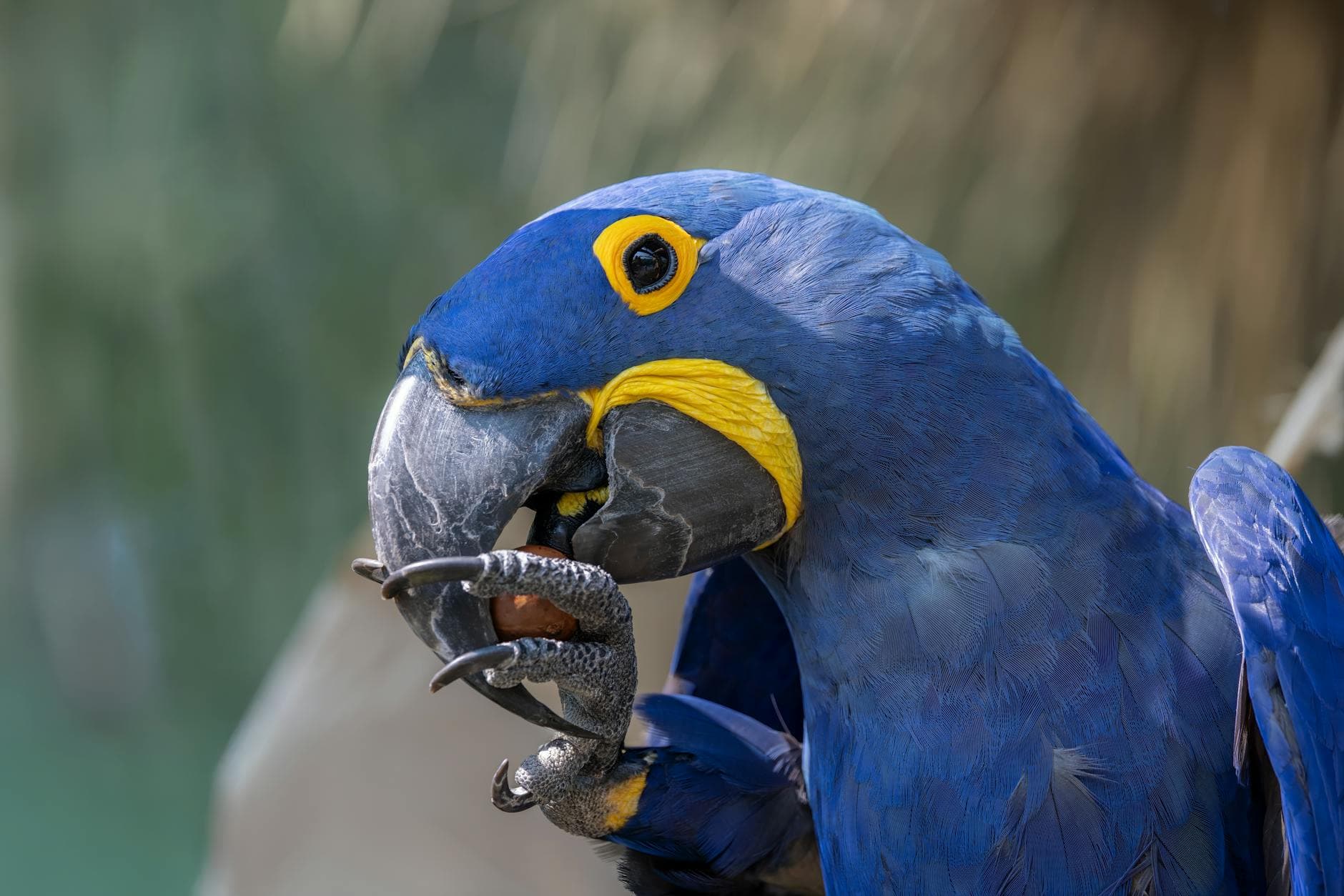
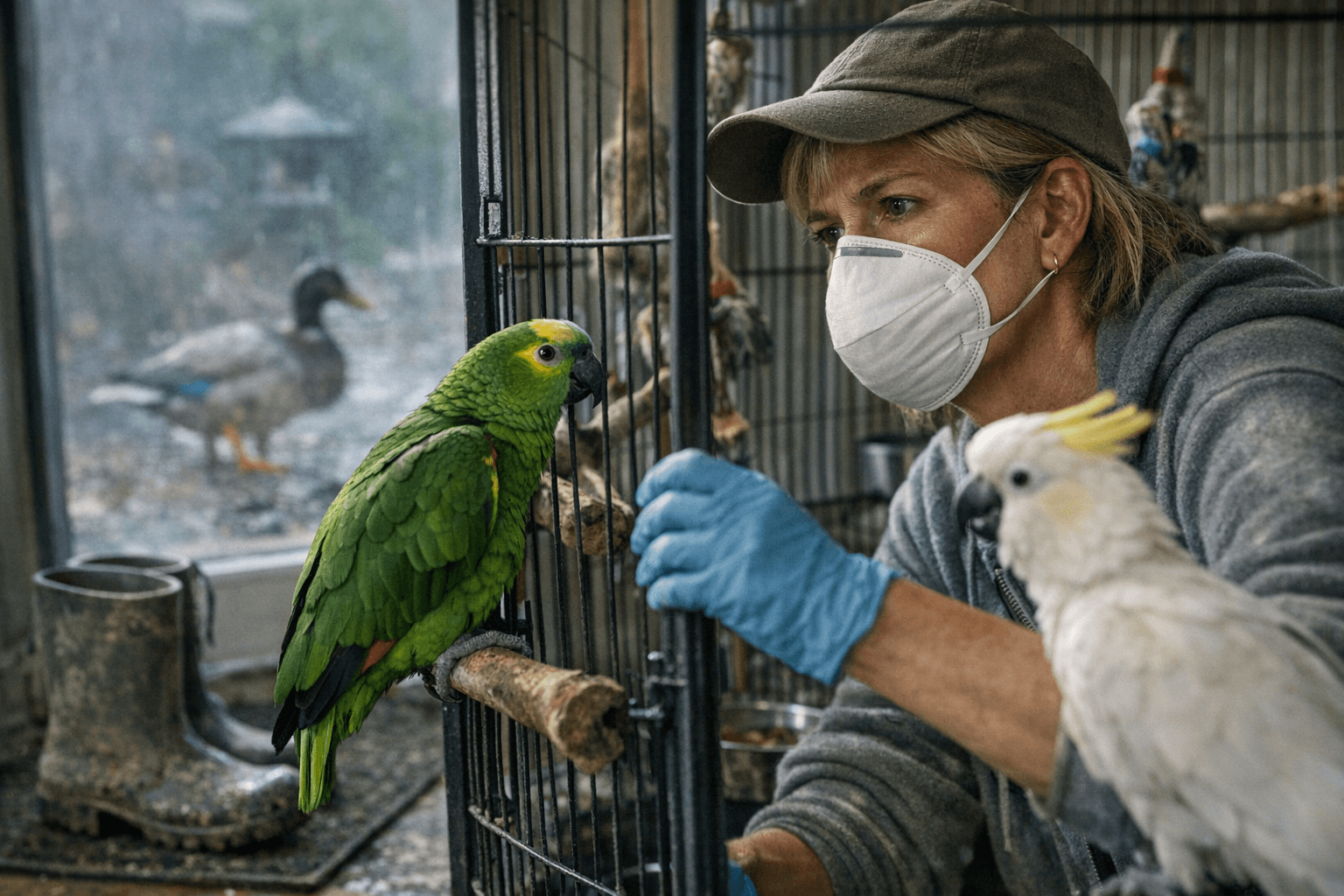
Keep the response practical. Clean shoes, clothing and equipment before stepping back near your birds, and do not carry in anything that may have touched wild birds, poultry yards or contaminated ground. Separate any bird that has had suspicious exposure from the rest of the flock, and do not mix new or exposed birds back in until the risk has passed. Monitor closely for anything unusual, because parrots often hide illness until they are already unwell.
WHO’s avian influenza fact sheet says direct contact with infected animals, including handling, culling, slaughtering or processing, and indirect contact through contaminated environments can pose a risk. The CDC says people with close or prolonged contact with infected birds, other infected animals or contaminated environments are at greater risk, while risk for the general public remains low. USDA APHIS says biosecurity is the key to protecting a flock and offers voluntary biosecurity assessments, including wildlife assessments. A no-case week is a breather, not a reset button.
This article was produced by Prism’s automated news system from verified source data, official records, and press releases, then run through automated quality and moderation checks before publishing. The system is built and supervised by the people who set the standards it runs under. Read our full AI policy.
Did this article answer your question?