Earth Day webinar spotlights Bolivia’s rare Blue-throated Macaw crisis
Fewer than 400 Blue-throated Macaws survive in Bolivia, and Earth Day put their fight for nest sites, habitat, and protection squarely in the spotlight.
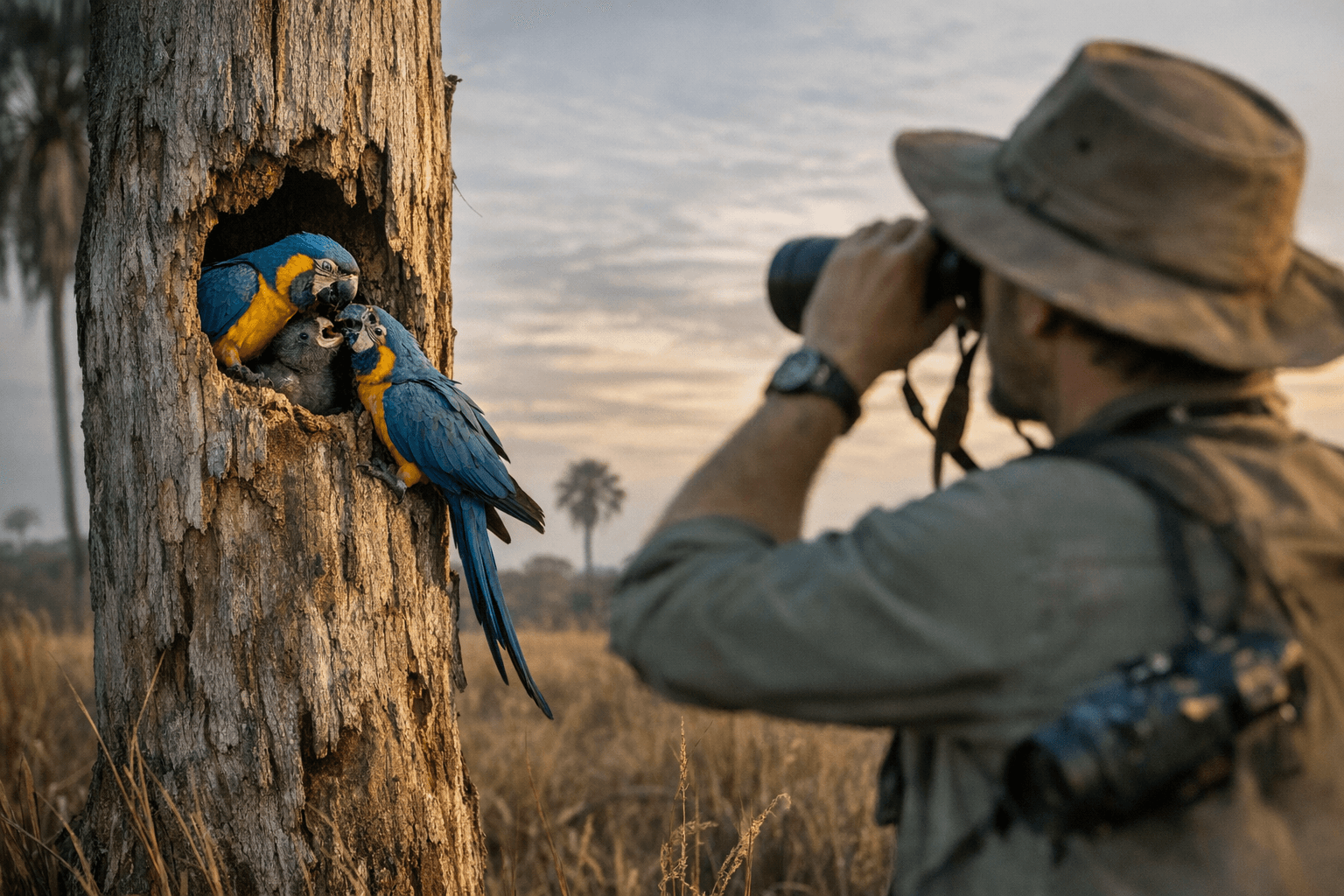
Fewer than 400 Blue-throated Macaws remain in the wild, and that number landed with force because this is not just a conservation statistic, it is a warning sign for every parrot that depends on intact habitat and reliable nesting sites.
World Parrot Trust used Earth Day to put Ara glaucogularis, one of the world’s rarest parrots, in the spotlight. The species is endemic to the Llanos de Mojos in north Bolivia, in the flooded savannahs of Beni, and the wild population was rediscovered in 1992 after decades of uncertainty. BirdLife International and the IUCN Red List classify it as Critically Endangered, a status that reflects how quickly habitat loss, poaching, and competition for the few cavities left in the landscape have pushed the bird toward the edge.
The crisis is bigger than a single macaw. The same wetlands and savannas that Blue-throated Macaws need also filter water, store carbon, and support local communities across the Beni Savanna. That is why the species has become a kind of shorthand for a larger fight: protect the habitat, and you protect the birds, the ranching communities, and the ecological systems that keep the region functioning.
World Parrot Trust’s project work in Bolivia leans heavily on partnerships. Its collaborators include Fundación para la Conservación de Loros Bolivianos, the Dirección General de Biodiversidad y Áreas Protegidas, the Centro de Custodia Paraba Barba Azul, the Federación de Ganaderos del Beni, the municipal governments of Loreto, Santa Ana, Santa Rosa del Yacuma, San Ramón and Exaltación, Universidad Autónoma del Beni, and the Asociación de Ganaderos de Loreto. That mix matters because the threats are local and immediate, especially conversion of savanna for cattle ranching and the illegal pet trade.
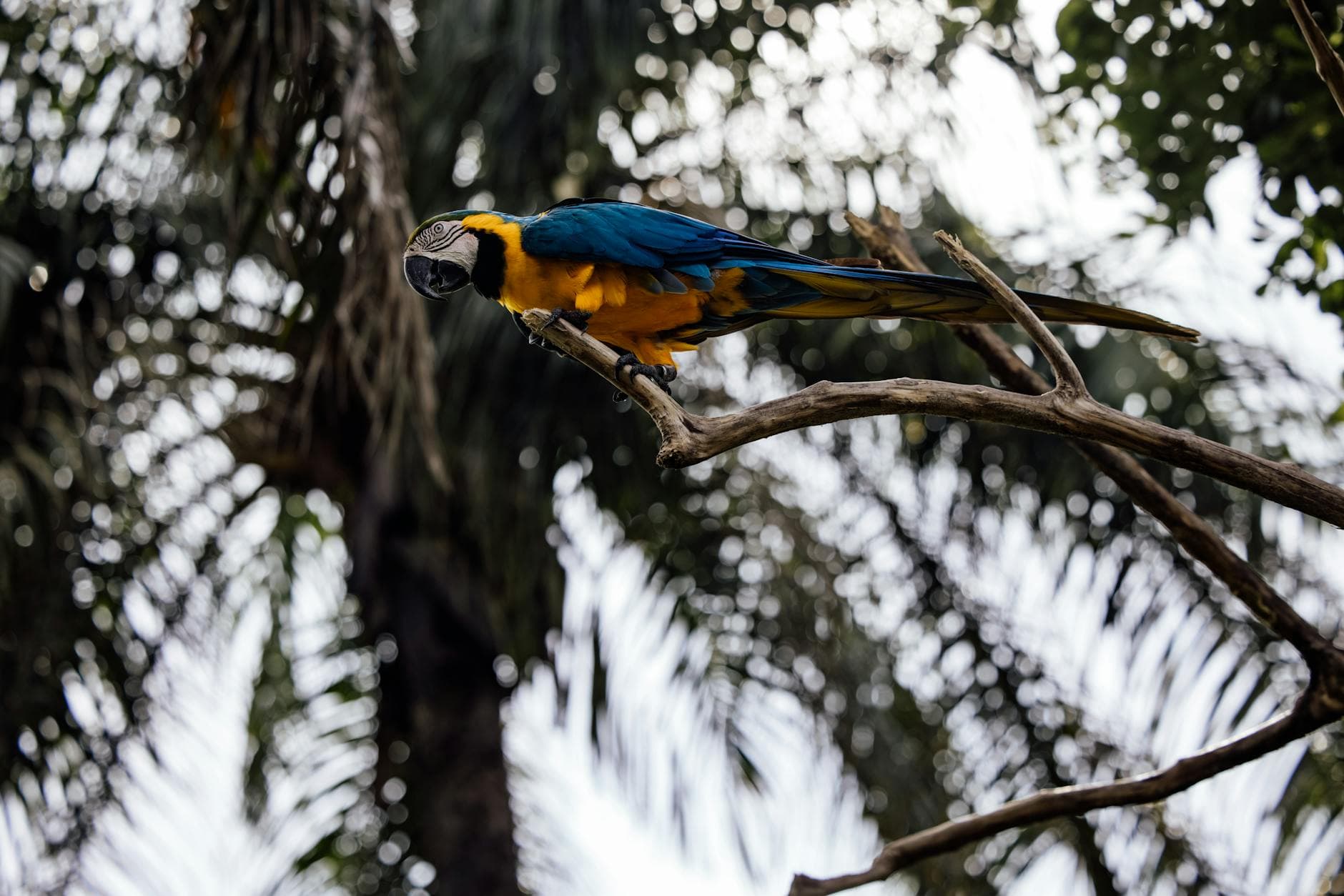
Field results have shown that recovery is possible when the work is specific. BirdLife reported in 2007 that researchers found more than 70 Blue-throated Macaws at a single roosting site, a discovery that helped sharpen conservation efforts. At the Laney Rickman Reserve, Asociación Armonía reported 145 fledglings from its nest-box program by August 2024, including 17 fledglings in the 2024 breeding season from 33 eggs laid in 12 breeding attempts. The group later reported 19 fledglings in 2025, bringing the program total to 164 since it began in 2005. The reserve was purchased in 2018 with support from American Bird Conservancy, the International Conservation Fund of Canada, IUCN Netherlands, and the World Land Trust.
For parrot keepers, the message is blunt: the future of the birds people love depends on the unglamorous work of protecting habitat, preventing trafficking, and funding nest-site recovery before the last wild populations are gone. The Blue-throated Macaw is living proof that stewardship starts far beyond the cage.
This article was produced by Prism’s automated news system from verified source data, official records, and press releases, then run through automated quality and moderation checks before publishing. The system is built and supervised by the people who set the standards it runs under. Read our full AI policy.
Did this article answer your question?