Online education reshapes exotic veterinary training, from avian care to wildlife rehab
More bird vets are learning online, and that could mean faster access to real parrot expertise when your bird hides a problem.
The training pipeline is changing
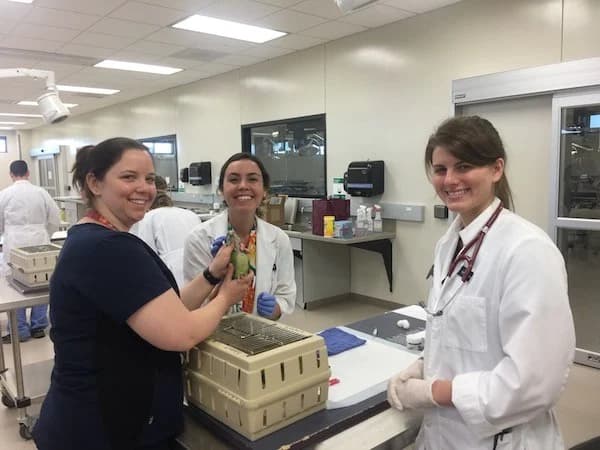
When an African Grey goes quiet, the clock starts sooner than most owners realize. The good news is that bird-specific training is spreading faster than it used to: the Association of Avian Veterinarians now offers a course catalog with more than 50 online courses, and its Avian Medicine Virtual 2024 program delivered 8.0 hours of RACE-approved continuing education.
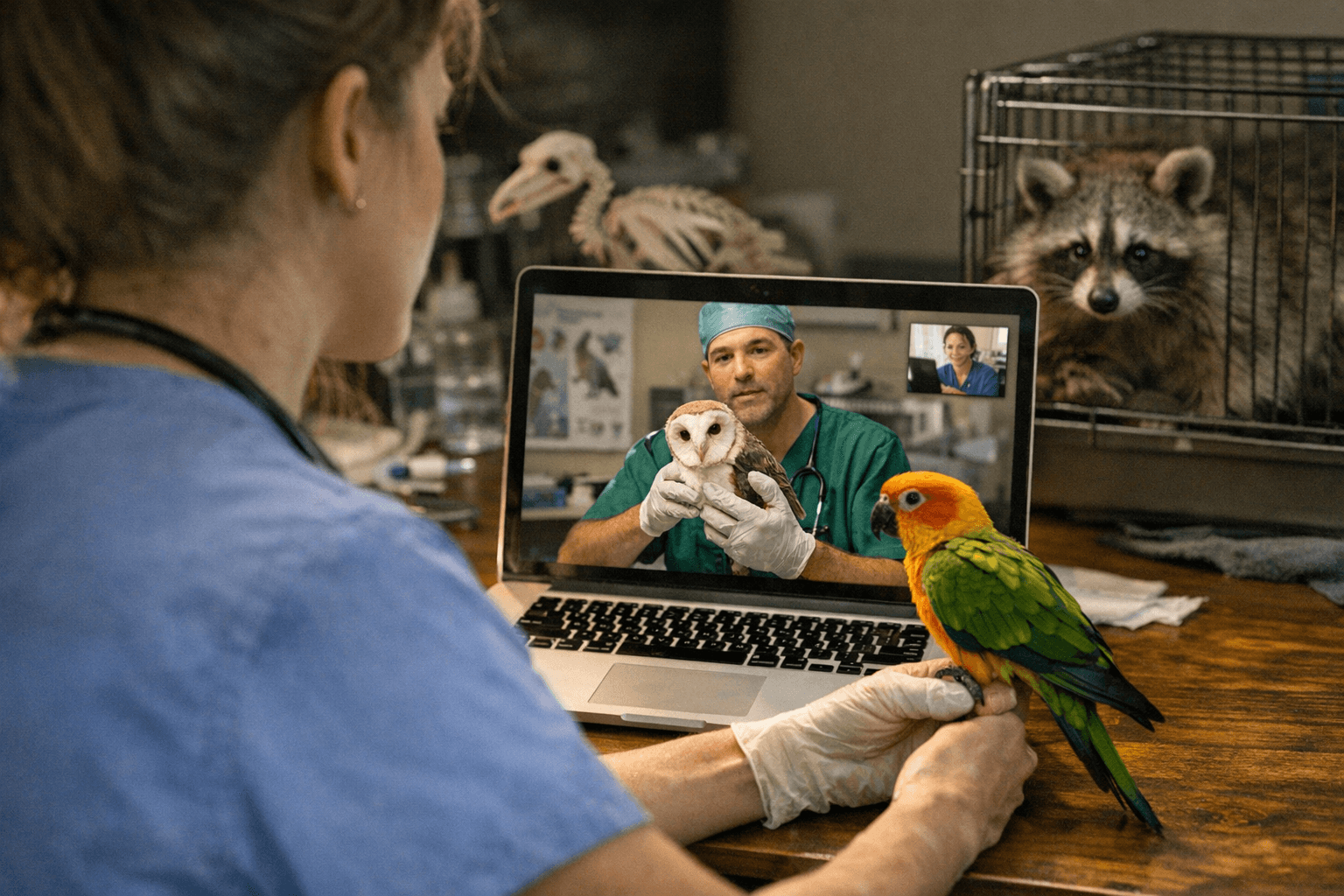
That shift is bigger than convenience. The American Veterinary Medical Association now treats veterinary continuing education as both digital and in-person learning, which is a strong sign that online study has become part of normal professional development rather than a stopgap. For parrot owners, that means the people you trust with your bird are increasingly able to keep sharpening their skills without waiting for the once-a-year conference circuit.
Why the online pivot stuck
The turn really accelerated in 2020, when travel restrictions pushed a lot of exotic-medicine education into distance learning. ExoticsCon 2020 was held online, and attendees got access to recorded sessions and proceedings, not just a single live event. Later ExoticsCon materials continued to refer back to the 2020, 2021, and 2022 virtual conferences when discussing continuing education certificates, which shows the online format did not disappear when travel reopened.
That matters because avian and exotic medicine is the kind of field where repetition and access both count. A student in one state, a clinician in a rural practice, and a busy specialist in a major city can all end up in the same virtual classroom. The result is a wider spread of bird knowledge, and that tends to show up later in the exam room as better triage, better handling, and fewer dead ends when a bird is sick.
Wild bird rehab is part of the same story
A good example is Dr. Rebecca Duerr, who was scheduled to present Oiled Wild Bird Care to the Kansas State University Exotic Animal Medicine Club. That club says its purpose is to provide extra educational opportunities for students interested in exotic animals, zoo, wildlife, laboratory, or exotic pet animals. The Lafeber Company Veterinary Student Program says it supports zoological medicine in veterinary schools by sponsoring speakers and events, which helps explain how a wildlife rehab topic ends up shaping future exotics clinicians.
This is not a side quest for parrot care. Training that covers oiled birds, rehab protocols, and emergency response builds the same reflexes that matter when a companion parrot arrives unstable, stressed, or hard to assess. The more a vet has seen in wildlife rehab and avian emergencies, the less likely they are to treat a bird like a small mammal with feathers.
The rehab network behind the curtain
The Oiled Wildlife Care Network at UC Davis describes itself as a statewide collective of trained wildlife care providers, regulatory agencies, academic institutions, and wildlife organizations, with more than 40 member organizations. It also says it has built purpose-built rehabilitation facilities strategically placed for rapid response.
International Bird Rescue, one of the network’s member organizations, says it has led oiled bird rescue efforts in more than 220 oil spills in more than 12 countries since 1971, and it cares for more than 5,000 animals each year at its wildlife centers. Those numbers are not just impressive on paper. They point to a level of hands-on bird medicine that trains people to move quickly, stay calm, and make smart calls under pressure, exactly the sort of experience that feeds back into better care for parrots when something goes wrong.
The specialist shortage makes credentials matter more
The education boom is happening against a real workforce gap. The AAVMC says the shortage of specialty-trained veterinarians is especially pronounced, and open specialist positions can exceed available candidates by as much as four times. That is a big deal for parrot owners, because finding a vet who truly understands birds often depends on whether your area has enough trained people to begin with.
The professional ladder is there, but it is narrow. The AVMA says more than 16,500 veterinarians have been awarded diplomate status in one or more specialty organizations. In exotic-animal medicine, the American College of Exotic Pet Medicine describes itself as a certifying organization for veterinarians specializing in exotic pets including birds, while the American Board of Veterinary Practitioners says it certifies veterinarians in 12 specialties. Those credentials do not guarantee perfection, but they are the clearest shorthand you have for finding a vet whose training goes beyond general exotics.
How to tell if a vet really has parrot-specific expertise
This is where owners have to be picky. Plenty of clinics say they see exotics, but that is not the same thing as deep bird experience. A vet who truly has parrot-specific expertise should be able to talk comfortably about avian continuing education, explain what bird-focused training they pursue, and name the specialty organizations that shape their work.
Look for these signs:
- They can point to current avian education, such as the Association of Avian Veterinarians’ online course catalog or RACE-approved avian CE.
- They can explain whether they hold diplomate status through a specialty organization such as the American College of Exotic Pet Medicine or the American Board of Veterinary Practitioners.
- They talk about birds as birds, not as generic exotics, and can discuss avian emergencies, restraint, and physiology without sounding vague.
- They have experience with avian cases often enough that you are not waiting for them to look everything up in real time.
That distinction matters because parrots do not advertise illness the way dogs and cats often do. A clinician who lives in the bird world is more likely to catch the subtle stuff early, choose the right diagnostics, and avoid the kind of generic advice that wastes time when a bird is already sliding downhill.
What this means for the next generation of care
The online shift in exotic medicine is not just making continuing education easier to attend. It is widening the pipeline for the people who will eventually be sitting across from your bird, whether they work in private practice, wildlife rehab, or academic medicine. The combination of virtual courses, student clubs, specialty certification, and rehab-based training is building a stronger bench for avian care.
For parrot owners, the payoff is simple: better-trained vets are easier to find, and the difference shows up in faster answers, smarter treatment, and fewer missed warning signs. In a field where the wrong first step can cost a bird dearly, that kind of access is not a luxury. It is the whole game.
This article was produced by Prism’s automated news system from verified source data, official records, and press releases, then run through automated quality and moderation checks before publishing. The system is built and supervised by the people who set the standards it runs under. Read our full AI policy.
Did this article answer your question?