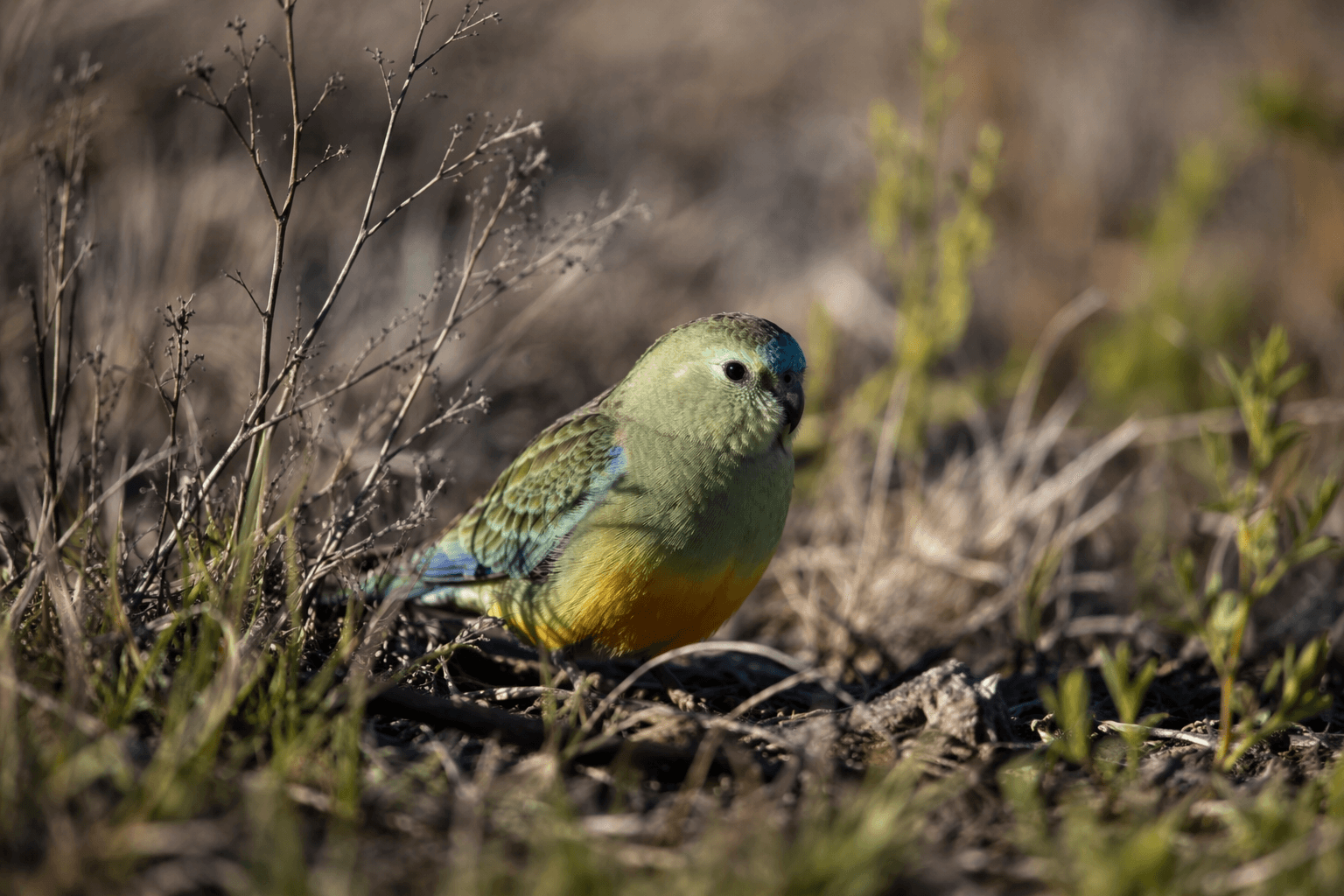
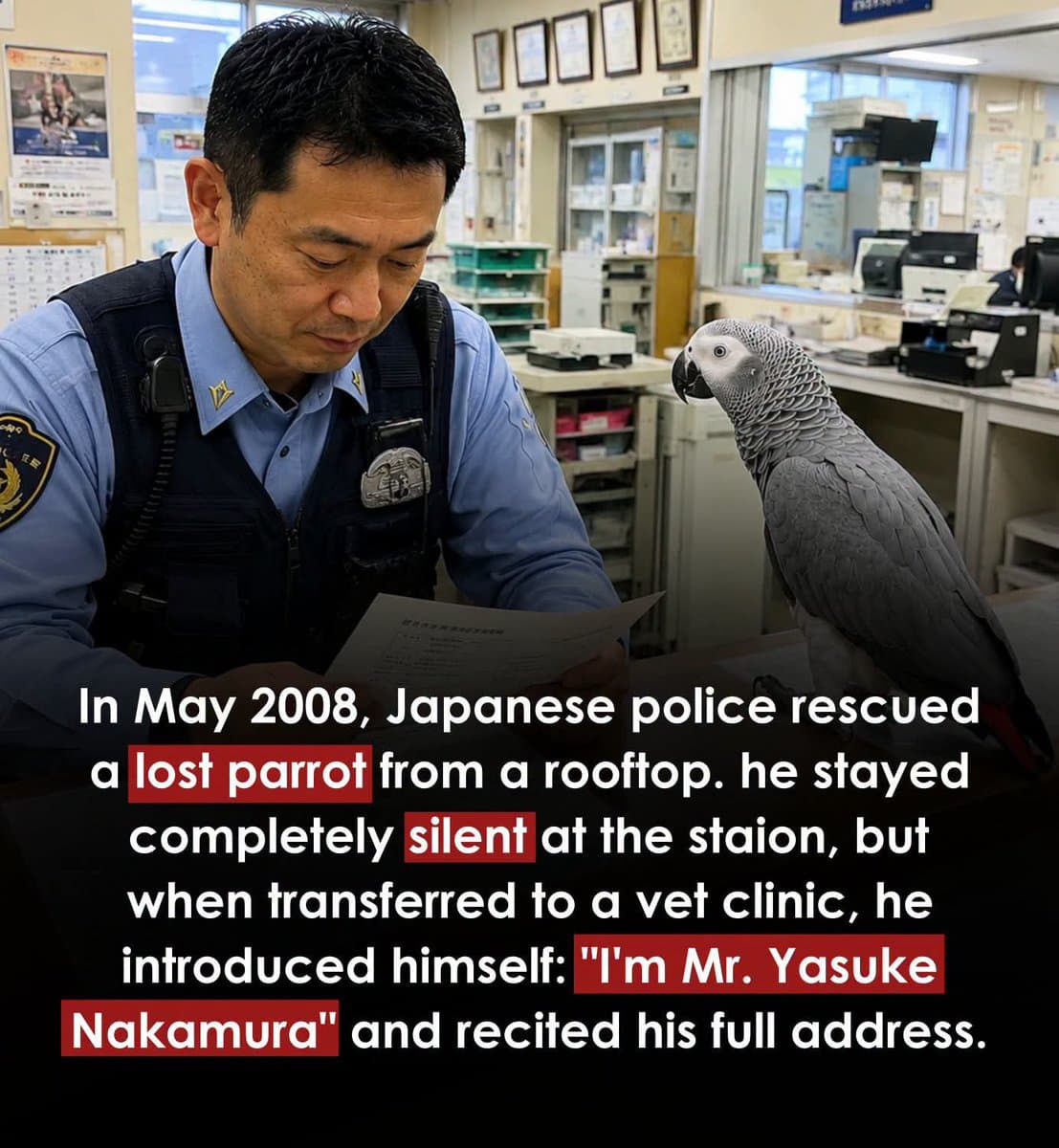
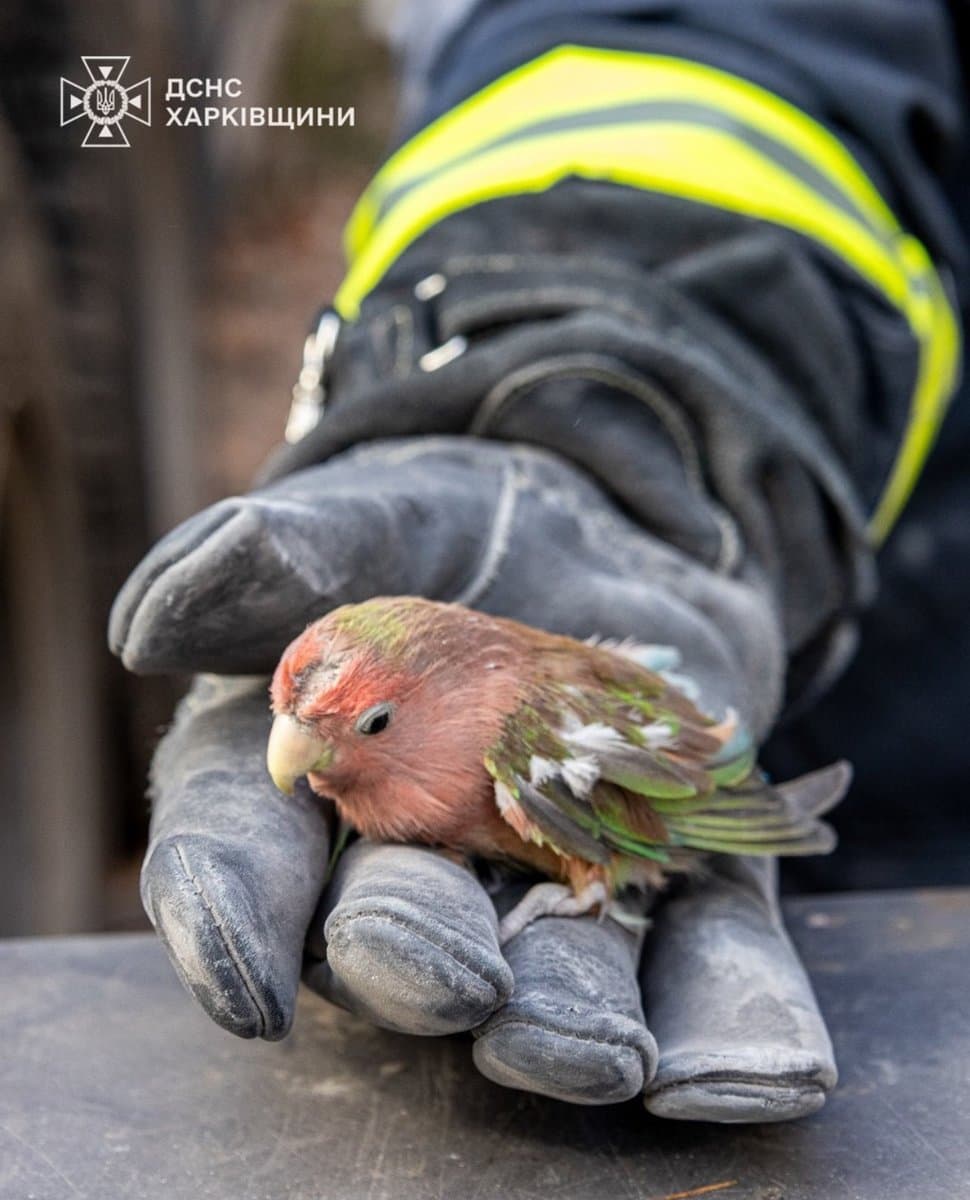
World Parrot Day spotlights beauty, threats, and urgent conservation needs
World Parrot Day is a celebration with an edge: one in three parrot species is threatened, and pet-bird fans can help by backing wild habitat and trade protections.
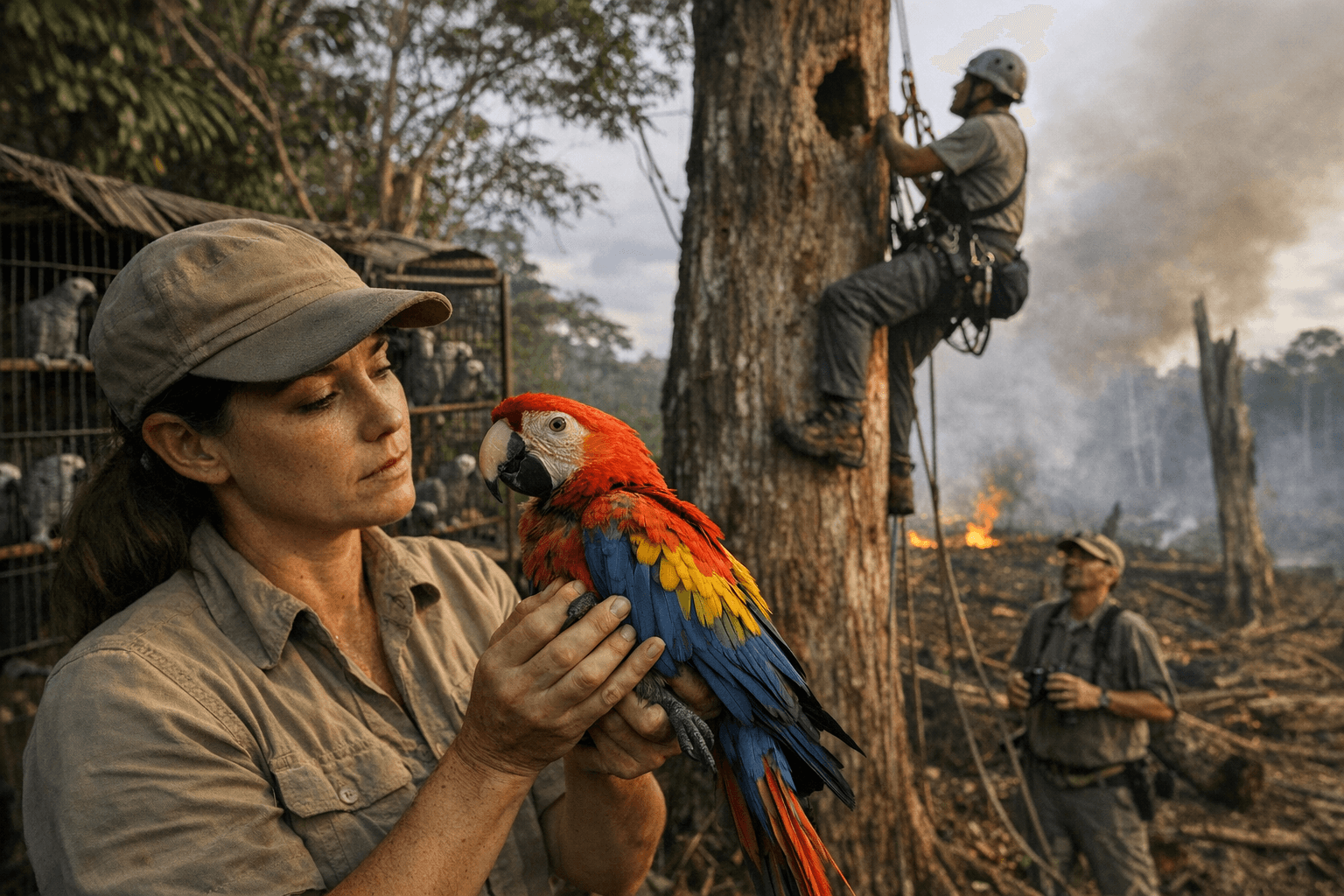
A day built for joy, and for urgency
A blue-throated macaw can remember what it just did, and that kind of mind is exactly why parrots deserve more than a once-a-year salute. World Parrot Day, observed every May 31, celebrates their color and intelligence, but it also carries a harder truth: nearly 400 parrot species exist, and one in three is listed in the threatened categories on the IUCN Red List.
That tension is the point. The World Parrot Trust established the day as a global awareness effort, and its own conservation and welfare work has reached 22 countries and more than 40 parrot species since 1989. This is not a feel-good bird holiday. It is a reminder that admiration without protection leaves too many parrots sliding toward decline.
The bird in the room is usually a forest bird
It is easy to think of parrots as companion birds first, or as the loud, brilliant stars of zoos and rescue centers. But in the wild, they are part of the machinery that keeps forests alive. Parrots help disperse seeds, and animal seed dispersal is key to restoring tropical forests because it maintains plant diversity and speeds up community turnover.
Recent forest research makes the stakes even clearer. A 2024 Nature study found that large birds help disperse late-successional species with higher carbon-storage potential, and that when forest cover drops below 40%, their movement is constrained and future biomass potential falls by 38%. That means parrot survival is not just a bird issue. It is tied to forest recovery, carbon storage, and the resilience of whole ecosystems.
Why companion-bird owners should care about wild parrots
If you keep parrots, you already know how much is hidden beneath the feathers. They read routines, solve problems, recognize patterns, and use human language cues with startling precision. Scientific review literature has even described parrots and corvids as “feathered apes,” a phrase that fits because these birds sit much closer to the intelligence end of the spectrum than casual bird-watchers often realize.
That is why the work by researchers such as Theresa Rössler, Alice M. Auersperg, Auguste M. P. von Bayern, Irene Pepperberg, and Karl Berg matters so much to the broader parrot world. Their work helps explain why parrots are such compelling companions and why the wild birds behind that fascination deserve real protection, not just admiration.
A 2022 Scientific Reports study added one more striking detail: blue-throated macaws could remember their previous actions. For anyone who lives with parrots, that lands immediately. These are not disposable decorative animals. They are long-lived, cognitively rich birds whose future depends on habitat, policy, and the choices humans make every day.
The pressures pushing parrots toward decline
The threats are familiar, but they have not gone away. Habitat loss keeps chewing away at forest cover, climate change adds new instability, and the illegal wildlife trade keeps creating demand for birds that should never have been pulled from the wild in the first place. CITES lists parrots among whole animal groups in its appendices because international trade can threaten their survival, which is a blunt reminder that the market itself can become a conservation problem.
The U.S. Fish and Wildlife Service says most exotic birds such as parrots, macaws, and cockatoos are protected under CITES and the Wild Bird Conservation Act, with permits often required for travel or import. That matters whether you are planning a move, crossing a border with a bird, or simply trying to understand why “just bringing one home” is not a harmless decision. In parrot care, legality and welfare are deeply linked.
What you can do right now that helps parrots in the wild
World Parrot Day works best when it changes habits, not just sentiment. If you love parrots at home, the most useful response is to connect that care to the birds still living in forests, grasslands, and mountain habitats that are under pressure.
- Support credible conservation groups that work directly with parrot protection, including the World Parrot Trust, which has been active in conservation and welfare projects across 22 countries.
- Learn the trade rules before buying, importing, or traveling with birds. Parrots, macaws, and cockatoos are among the birds protected under CITES and, in many situations, the Wild Bird Conservation Act.
- Reduce demand for illegal wildlife trade by refusing birds or products with unclear origins. Every legal, transparent purchase helps shrink the market for poached birds.
- Treat habitat as part of parrot care, not a separate issue. When forests lose cover, parrots lose the routes they need to move, feed, and disperse seeds.
- Share the conservation story in plain language. One in three parrot species is threatened, and that stat is sharp enough to cut through the usual birthday-party version of bird appreciation.
A more coordinated conservation response is finally taking shape
World Parrot Day is also becoming a marker for better organization. On World Parrot Day 2024, the International Union for Conservation of Nature announced the IUCN SSC Wild Parrot Specialist Group, which marked the observance’s 20th anniversary and gave the parrot conservation community a more formal way to detect, monitor, and manage threats across the world.
That kind of coordination matters because parrots are spread across so many habitats and face so many overlapping pressures. The species are dazzling, but the crisis is real, and the conservation response has to match that scale. World Parrot Day is at its most useful when it turns affection into action, and when the bird in your living room becomes a reason to fight for the forests still holding up the wild ones.
This article was produced by Prism’s automated news system from verified source data, official records, and press releases, then run through automated quality and moderation checks before publishing. The system is built and supervised by the people who set the standards it runs under. Read our full AI policy.
Did this article answer your question?