World’s oldest living parrot highlights lifelong care for aging birds
Spoodles hit 32 years and 86 days, showing how steady routines, vet care, and calm handling can stretch a parrot’s life.
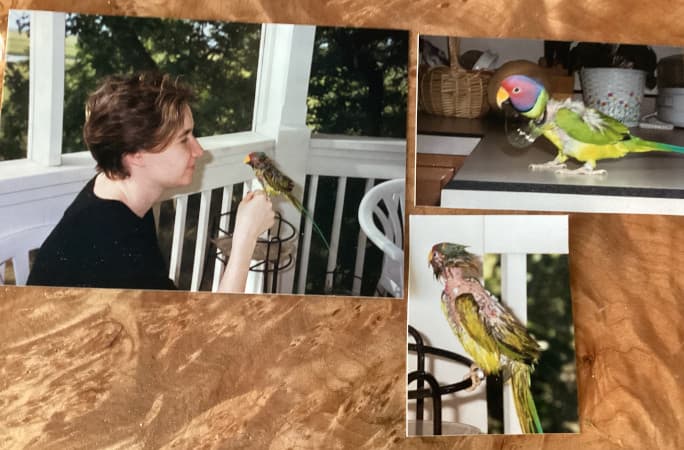
Spoodles, Amanda Beth’s plum-headed parakeet, has turned 32 years and 86 days into a living lesson in what decades of good routine can look like. Guinness World Records verified the bird in Charleston, South Carolina, on March 28, 2026, and the milestone lands far beyond the 15 to 20 years parakeets are often said to reach in captivity with proper care.
A record built on ordinary household habits
The detail that matters most is not the record itself but the life underneath it. Amanda Beth got Spoodles in 1997, when she was 23, and the paperwork attached to his leg bracelet showed he had already hatched three years earlier. That kind of age trail tells you something important about long-lived parrots: longevity is rarely about one heroic intervention. It is usually the result of years of consistency.
Spoodles grew up inside a household rhythm he clearly understood. He learned to climb onto Amanda Beth’s shoulder and finger, whistle show tunes, and copy the beep of the microwave. Even now, he still begins some mornings with a cheerful greeting and watches the day unfold from his cage, including meal times and TV time. That steady social contact matters, because parrots are not decorative pets that do well on neglect and improvisation. They settle into repeated patterns, and those patterns shape how securely they move through the years.
What decades of care look like in practice
Spoodles’ age makes the basics look more serious, not more complicated. His story points to the kind of daily habits that keep birds going for the long haul: predictable feeding, a calm household, frequent observation, and handling that respects changing energy levels. Amanda Beth’s joking line about keeping him fed may sound light, but it lands on a real truth. Long-term parrot care is built on doing the same ordinary things well, day after day.
As Spoodles has aged, the changes have been visible. He has slowed down, tires more quickly when he is out of the cage, and now prefers to rest rather than flap around when startled. Those are the kinds of shifts that tell you a bird’s needs have changed before a crisis does. If a parrot begins to tire faster, spends less time active, or becomes less resilient to sudden noise, the care plan needs to change with it.
A senior-bird routine works best when it stays simple and consistent:
- Keep feeding times steady so the bird’s day stays predictable.
- Watch how long the bird can be out of the cage before fatigue shows.
- Reduce startling situations that trigger frantic flapping or stress.
- Use regular shoulder, finger, or perch interactions only as long as they remain comfortable.
- Pay attention to small changes in movement, rest, and appetite, because those changes often come first.
That kind of day-to-day management is what turns a long-lived bird from a lucky exception into a properly supported senior pet.
Why age makes vet care non-negotiable
Spoodles’ milestone also fits a broader reality of pet bird ownership. The MSD Veterinary Manual says most pet birds can live 20 to 80 years depending on size, which means a bird acquired as a youngster may remain a household responsibility for decades. Smaller birds generally have shorter lives than larger parrots, but even the smaller species can live long enough to outlast a change of home, family, or routine.
That is why the Association of Avian Veterinarians recommends regular checkups for companion birds, and says birds, like people, need annual or more frequent wellness visits with a veterinarian. In older birds, those visits are not just about treating problems after they appear. They are a chance to track weight, adjust for changing caloric needs, and catch the slow creep of age-related disease early.
The MSD Veterinary Manual lists cataracts, neoplasia, arthritis, and cardiovascular disease among the geriatric-onset problems pet birds can face. Those conditions are exactly why a parrot that still sounds lively can still need closer monitoring. A bird may keep greeting you at the cage door and still be moving through age-related changes that only show up in the details: a little less stamina, a little more rest, a slightly different relationship with movement or handling.
What to build into a long-term parrot plan
Spoodles’ life suggests a practical checklist for anyone thinking past the bird’s first years. A long-lived parrot does best when care is designed for change, not just for the young, energetic version you brought home.
The basics are straightforward:
- Schedule annual or more frequent wellness visits with an avian veterinarian.
- Track weight and appetite, especially as the bird gets older.
- Be ready to adjust calories as activity drops.
- Keep the home environment steady so meals, sleep, and social time stay familiar.
- Watch for slower movement, quicker fatigue, or a stronger preference for rest.
Those are not dramatic interventions, but they are the kind that let a bird age with less strain. Spoodles is a plum-headed parakeet, yet his story speaks to a much larger truth about pet birds of every size: the ones that make it into old age usually do so because someone kept paying attention long after the novelty wore off.
The little bird that once rode on a shoulder, whistled show tunes, and copied the microwave beep is now moving more slowly, and that is exactly what makes the record meaningful. It shows what decades of good routine look like when they are done right: a stable home, a steady diet, regular veterinary oversight, and a bird allowed to age at its own pace.
This article was produced by Prism’s automated news system from verified source data, official records, and press releases, then run through automated quality and moderation checks before publishing. The system is built and supervised by the people who set the standards it runs under. Read our full AI policy.
Did this article answer your question?