British spelt pasta could challenge Italian traditions, says The Independent
British spelt pasta is moving from niche idea to supermarket shelf, and Northern Pasta Co. is testing whether homegrown grain can taste like a real alternative.
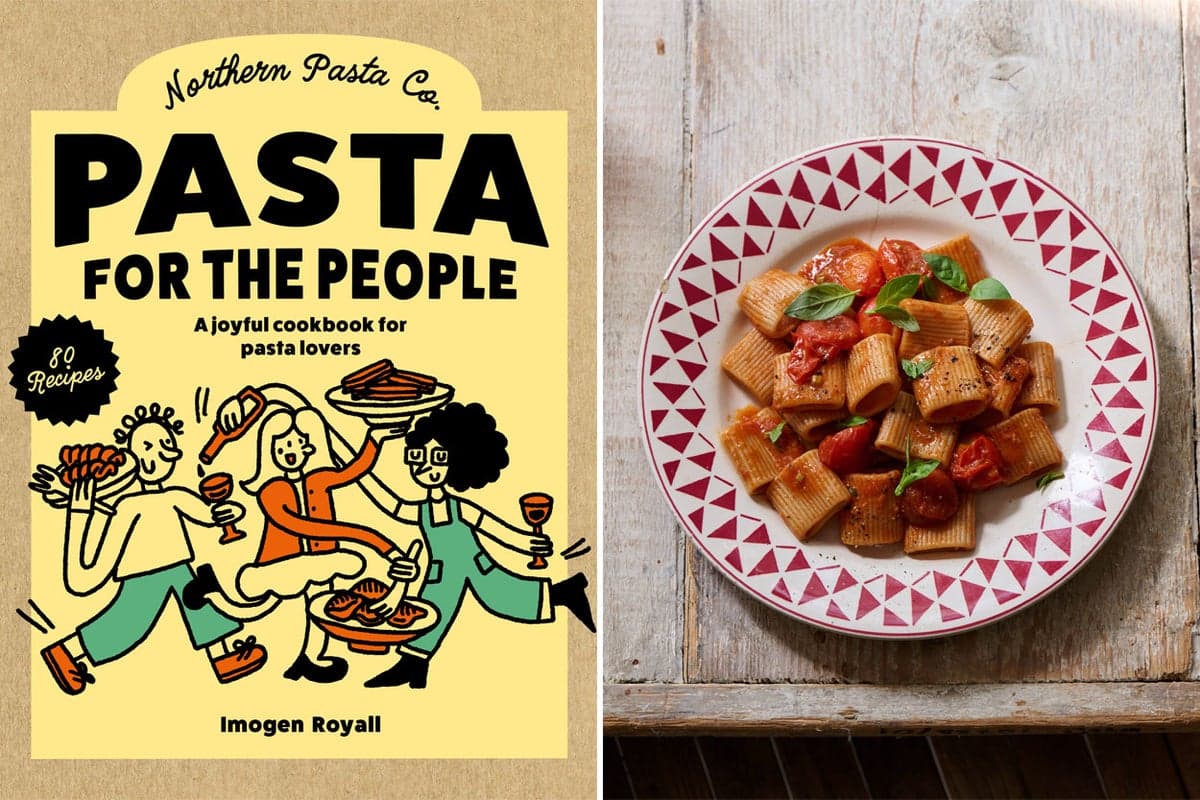
British pasta has spent years living in Italy’s shadow, but Northern Pasta Co. is trying to change the terms of the argument. The Lake District maker is putting British-grown spelt on supermarket shelves, pairing it with recipes from its new cookbook, and asking a sharper question than patriotism alone: can local grain deliver the texture, flavor and cook performance that make pasta worth repeating?
A British pasta story with business momentum
The most interesting part of this story is not that spelt is trendy. It is that Northern Pasta Co. has turned a grain conversation into a business expansion, with a national Waitrose launch described as its first national supermarket listing. The brand’s first cookbook, *Pasta for the People*, arrived in April 2026, giving it a second platform beyond the pack: a way to show home cooks how it thinks about shape, sauce and grain in the same breath.
That matters because the company is no longer just a market-stall curiosity. Trade coverage says it was founded in 2022 by husband-and-wife team Imogen Royall and Matt Kenyon, and that it began selling on market stalls in the North of England before expanding. Northern Pasta Co. says it had a team of 5 in 2024, more stockists than ever, and more than 500 five-star reviews, all signs that the brand has moved well past the one-off pop-up phase.
What makes the spelt case worth taking seriously
Northern Pasta Co. says it makes its pasta with regeneratively grown British spelt and traditional Italian methods. That combination is the heart of the pitch: not a rejection of Italian craft, but an attempt to use British grain to make pasta that still behaves like pasta. The argument is less about replacing Italy than proving that a different farming base can still produce a credible bowl.
The Independent’s feature, written by Hannah Twiggs, frames the company in exactly those terms, as a Lake District business putting British-grown spelt into the mainstream and using recipes to make the case for homegrown grains. That framing matters because British pasta has to earn its legitimacy in two places at once: on the shelf, where shoppers compare it with familiar Italian benchmarks, and in the pan, where texture decides everything.
The test: texture, flavor and milling
If British spelt is going to challenge pasta orthodoxy, the first question is texture. Pasta fans know the difference between a noodle that slumps and one that keeps its bite, and any spelt product has to prove it can hold shape, cook evenly and carry sauce with enough structure to feel intentional rather than rustic for its own sake. The company’s appeal to traditional Italian methods is an important clue here: it suggests the production process is meant to protect the familiar pasta experience even when the grain changes.
Flavor is the second test. Spelt brings its own nutty, slightly sweeter profile, and that can be an asset if it gives the pasta more character without overpowering the sauce. But character only counts if it remains versatile. A pasta brand built around British grain has to work as a weeknight staple, not just as a talking point in the grain aisle.
Milling is the third piece, and perhaps the most overlooked. Spelt is not simply a different label on the same flour. Grain quality, extraction and milling behavior all shape how the dough hydrates and how the final pasta eats. That is why a serious British spelt pasta story is really a grain story as much as a branding story: the mill, the farm and the extruder all sit in the same chain.
Why spelt has a deeper British history than the current hype suggests
Spelt is not new to British food culture. The Independent reported in 2013 that soaring demand for spelt, combined with a poor 2012 harvest, had already left some UK mills unable to supply bakeries. That earlier strain is useful context now, because it shows that the grain has long sat at the intersection of premium demand and limited domestic supply.
The ECPGR landrace profile adds more of the agricultural map. It identifies the largest grower of spelt in the UK as Sharpham Park in Somerset, a 300-acre site, and says growth also occurs in various locations across the country, generally on a smaller scale. It also notes that yields can vary widely, between 2.5 and 4.5 t/ha. Those numbers help explain why British spelt pasta is more than a mood or a marketing flourish: supply is real, but it is uneven, and that makes local grain both promising and fragile.
That fragility is also part of the appeal. Homegrown spelt links a premium food trend to British agriculture, supply chains and regenerative farming in a way that imported semolina never can. For a brand like Northern Pasta Co., the point is not simply that British grain sounds nice on the packet. It is that the packet can carry a story about land, farmers and milling decisions without losing sight of the dinner plate.
Who this pasta is for, and who will keep reaching for Italian
This is not a story about convincing everyone to abandon Italian pasta. Pasta remains culturally associated with Italy, and public statistics and market summaries show far higher per-capita consumption there than in the UK or the US. That scale is the benchmark British brands are measuring themselves against, and it is a tough one: Italy is not just a place pasta comes from, but the place many eaters instinctively trust to define what good pasta tastes and feels like.
So the likely audience for British spelt pasta is specific. It is for shoppers who care where grain is grown, cooks who like a little more flavor in the dough, and buyers who want a domestic supply story that feels tangible rather than abstract. It is also for the curious loyalist, the person who still cares deeply about Italian tradition but is open to a bowl that proves tradition can be translated, not merely copied.
That is why Northern Pasta Co.’s move onto supermarket shelves matters beyond one brand. It tests whether British spelt can stand as a legitimate pasta lane in its own right, not as a patriotic novelty. And if it works, the challenge to Italian orthodoxy will not come from louder branding, but from a better bowl.
This article was produced by Prism’s automated news system from verified source data, official records, and press releases, then run through automated quality and moderation checks before publishing. The system is built and supervised by the people who set the standards it runs under. Read our full AI policy.
Know something we missed? Have a correction or additional information?
Submit a Tip