Carbonara Day Marks 10 Years Celebrating Rome's Most Debated Pasta Dish
Carbonara Day turned 10 with a bombshell: the gastronome who codified Italian cuisine put cream in his carbonara. Rome's top chef says that's the whole point.
A French video cooked spaghetti alla carbonara in a single pot with cream and onion. That was 2016, and the backlash across Italy was so concentrated it earned its own name: the Carbonara Gate. Unione Italiana Food and the International Pasta Organization responded the following year by creating Carbonara Day, establishing an annual event dedicated to protecting and promoting the original recipe. On April 6, that event reached its tenth edition, with Rome at the center and a global #Carbonara10eLode social challenge pulling in cooks and creators across three continents.
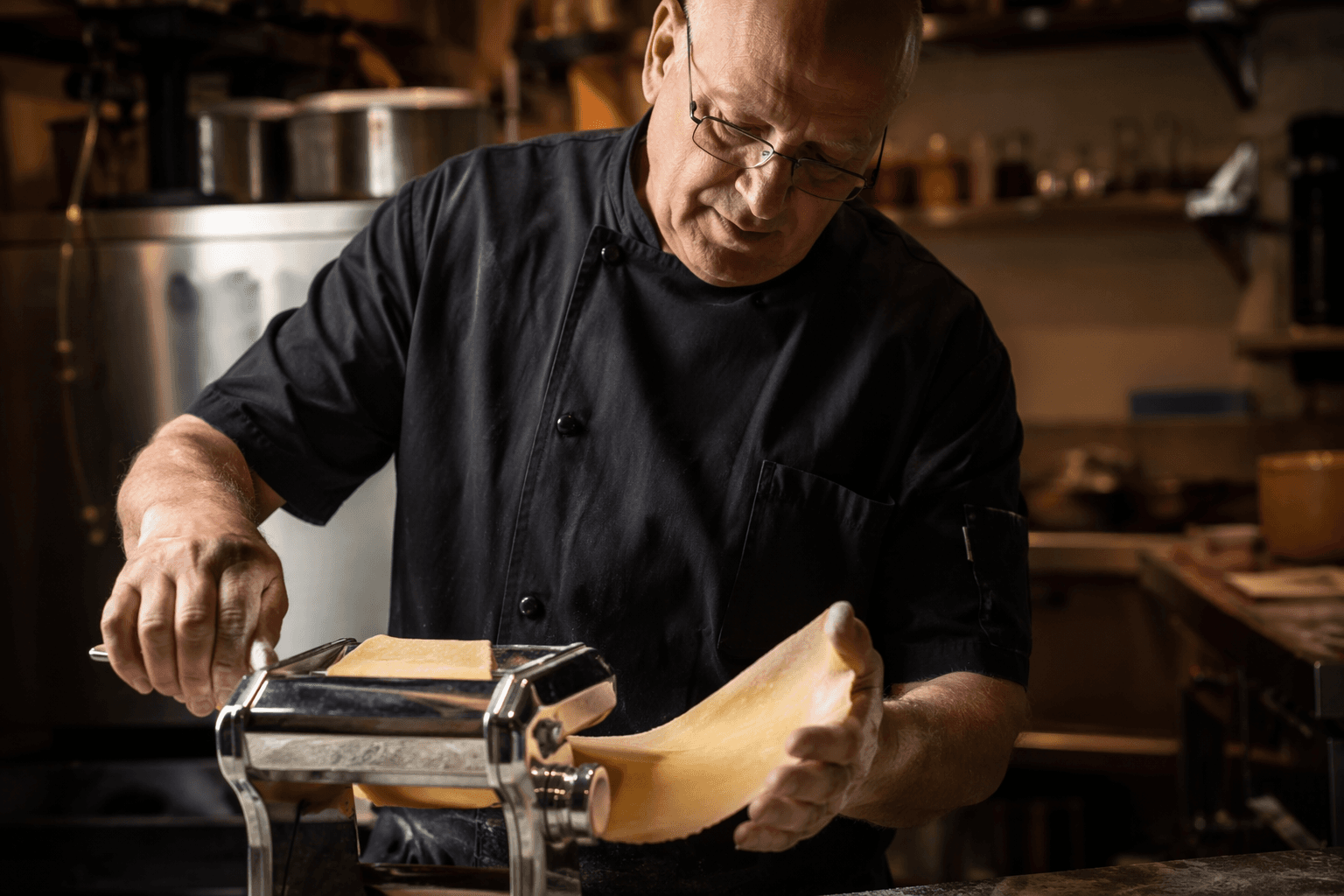
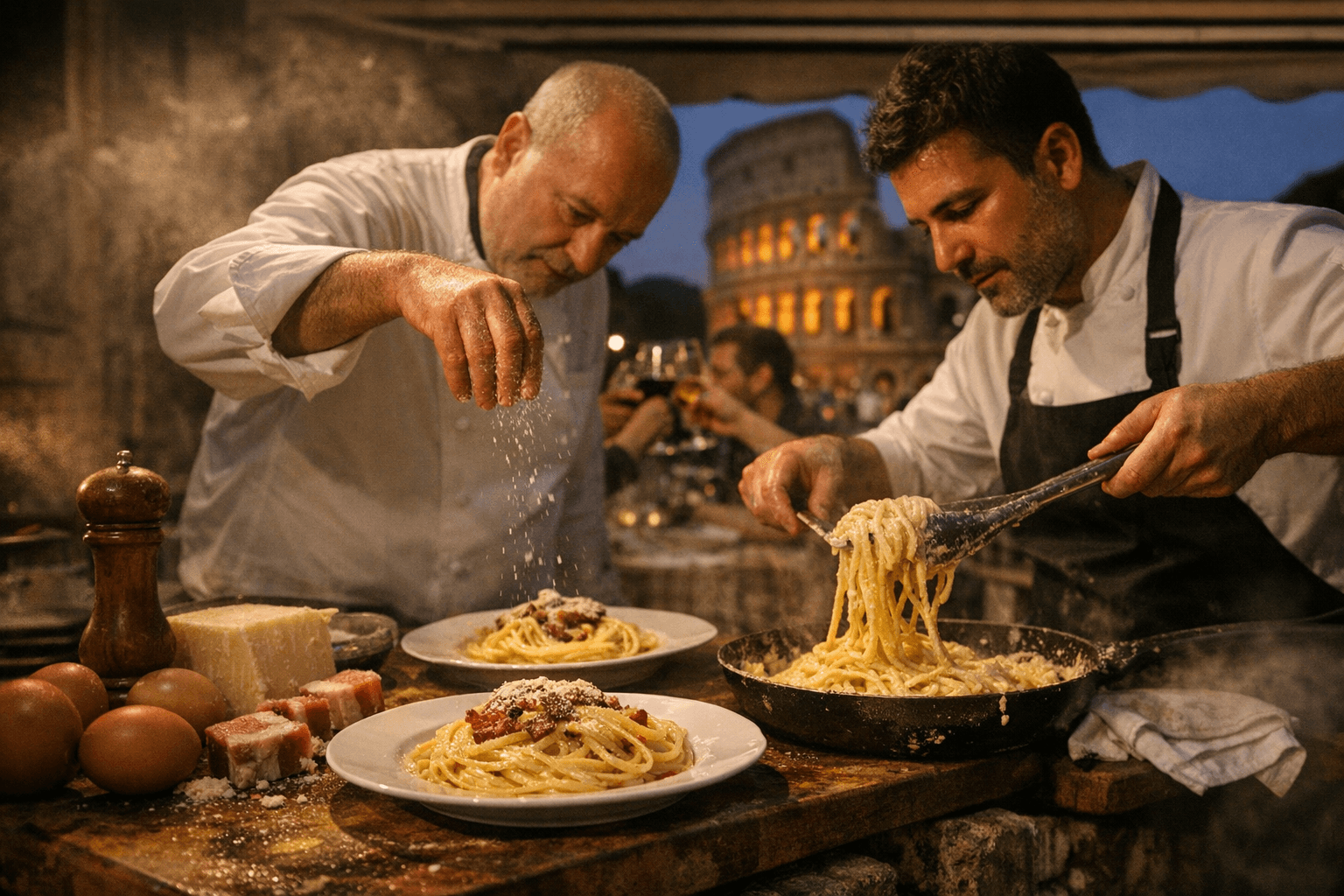
The anniversary brought Luciano Monosilio, the Roman chef widely known as the "Re della Carbonara," to center stage as headline figure. Monosilio, who runs the Michelin Guide-recognized Luciano Cucina Italiana in Rome and traces the dish's roots to the mountains of Abruzzo and the charcoal-makers who wintered there, delivered the event's most memorable line: "The fact that carbonara is so widely debated is, in my view, its strength. There is no certainty, and where there is no certainty, the answers are many. It is a game. And we Italians, with our intelligence, play it well." Paolo Barilla, president of Unione Italiana Food and vice president of the Barilla Group, called the dish "magic" because "everyone loves it and everyone is enthusiastic about it," framing carbonara less as protected culinary heritage than as a cultural export that legitimately belongs to everyone who cooks it.
That philosophical generosity, however, runs straight into technique. The sauce forms when eggs and cheese combine with rendered pork fat, using residual heat to create a smooth coating; the process depends on timing and control rather than added stabilizers. Many modern versions move away from that method to reduce effort or rely on more accessible ingredients. Cream stabilizes what heat would otherwise destroy, but it dilutes the sharp, saline punch of Pecorino Romano and masks the distinct depth of properly rendered guanciale fat. Bacon often replaces guanciale, introducing a smokier profile, while pancetta brings a milder cured flavor. Cheese choices also shift, with Parmesan used more frequently than Pecorino Romano, resulting in a less sharp finish. Each swap produces a different dish by technique, not merely by ingredient list.
Monosilio offered the event's most provocative counterpoint: even Pellegrino Artusi, the 19th-century gastronome whose cookbook effectively codified Italian cuisine, included cream in his version. "My carbonara is not the universal, unique recipe," Monosilio said. "What I make is my recipe."
Over ten years, the Carbonara Day has reached a potential audience of over 1.7 billion people. An AstraRicerche survey conducted for Unione Italiana Food found that one in two Italians awards carbonara a "10 e lode," the Italian academic equivalent of a perfect score with distinction. The institutional pressure on the recipe has grown accordingly: in 2025, Francesco Lollobrigida called for an investigation into a packaged carbonara sauce made with smoked pancetta, pointing to estimates that imitation Italian foods cost the country about 120 billion euros annually.
For those cooking tonight, the purist baseline runs five ingredients deep: 200g of spaghetti, 150g of thick-cut guanciale, two whole eggs plus two yolks, 80g of finely grated Pecorino Romano, and coarsely cracked black pepper. Render the guanciale in a cold pan over medium heat until the fat runs clear and the meat is just crisp, then pull it off the heat. Whisk the eggs and Pecorino into a stiff paste, temper with a spoonful of hot pasta water, combine off the heat, and add pasta water gradually until the sauce ribbons without breaking. From there, the variation ladder runs in one defensible direction: rigatoni in place of spaghetti holds the sauce in its ridges and Monosilio treats it as structurally legitimate; pancetta instead of guanciale is the most common concession to availability and preserves the fat profile better than bacon; half Parmesan softens the sharpness without eliminating it. Cream sits at the bottom of that ladder, where, as it turns out, even Pellegrino Artusi made himself at home.
This article was produced by Prism’s automated news system from verified source data, official records, and press releases, then run through automated quality and moderation checks before publishing. The system is built and supervised by the people who set the standards it runs under. Read our full AI policy.
Did this article answer your question?